



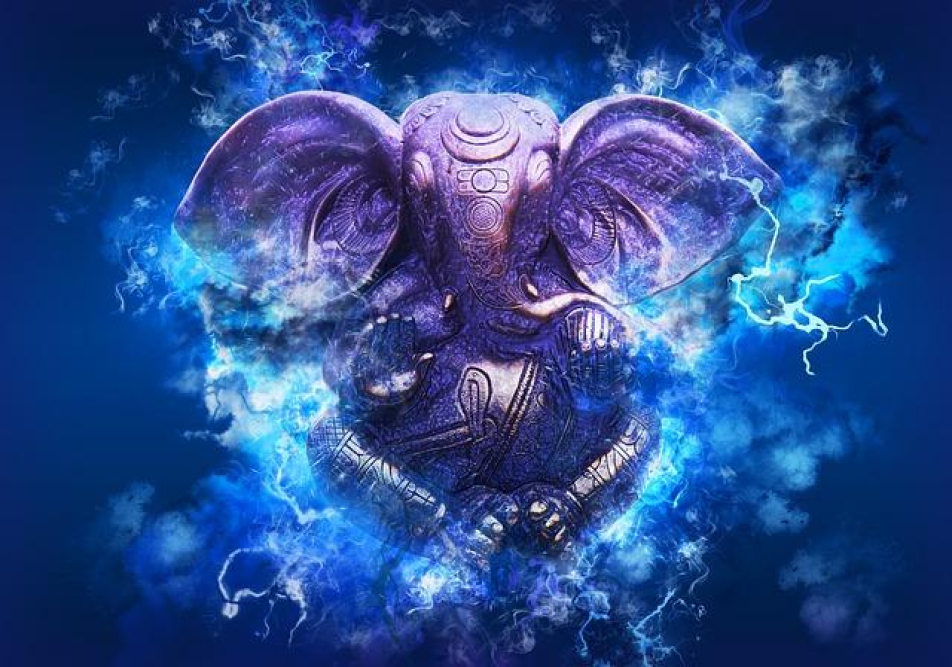
Rangoli, a traditional Indian art form, is known for its vibrant colors and intricate patterns. One of the most popular motifs used in rangoli designs is that of Lord Ganesha, the elephant-headed deity. Ganesha, the remover of obstacles, holds a special significance in Hindu culture and is often depicted in rangoli patterns during festive occasions and religious ceremonies. In this article, we will explore the significance of Ganesha in rangoli designs and the various ways in which this beloved deity is represented through this unique and beautiful art form.
Table of Contents
- Introduction to Ganesha in Rangoli
- Importance of Ganesha in Rangoli Designs
- Symbolism and Meaning behind Ganesha Rangoli
- Tips for Creating a Ganesha Rangoli Design
- Q&A
- Key Takeaways
Introduction to Ganesha in Rangoli
Ganesha, also known as Ganapati, Vinayaka, or Pillaiyar, is one of the most revered and worshipped deities in Hinduism. He is known as the remover of obstacles and the god of beginnings, which makes him an important figure in religious and cultural ceremonies, including the art of rangoli.
In the art of rangoli, Ganesha is often depicted in various forms and poses, adding a spiritual and aesthetic element to the traditional designs. Here are a few important aspects of Ganesha in rangoli:
– Symbolism: Ganesha holds significant symbolism in rangoli, representing prosperity, wisdom, and good fortune.
– Traditional motifs: Artists often use traditional symbols and motifs associated with Ganesha, such as the elephant head, modak (sweet), and the lotus flower, to create intricate designs within the rangoli patterns.
– Festive occasions: Ganesha is a popular motif during festive occasions such as Diwali, Ganesh Chaturthi, and other religious celebrations, where devotees create elaborate rangoli designs to honor the deity.
Including Ganesha in rangoli designs not only adds a cultural and spiritual touch but also honors the deity in a creative and visually appealing way. Whether it’s a small design at the entrance of a home or a grand display in public spaces, Ganesha in rangoli is a timeless tradition that continues to inspire and captivate artists and devotees alike.
Importance of Ganesha in Rangoli Designs
Ganesha is an essential figure in Hindu tradition and culture, and his presence in rangoli designs holds significant importance. Rangoli, a traditional art form in India, involves creating colorful patterns on the ground using materials like colored rice, dry flour, and flower petals. Including Ganesha in rangoli designs adds a spiritual and cultural significance to the artwork, making it more than just a decorative element.
The presence of Ganesha in rangoli designs symbolizes various positive attributes and beliefs, making it a meaningful addition to any design. Here are some reasons why Ganesha holds importance in rangoli designs:
– **Remover of Obstacles**: Ganesha is believed to be the remover of obstacles and the harbinger of good fortune. Including Ganesha in a rangoli design is thought to ward off negative energy and bring in positivity and prosperity.
– **Symbol of Wisdom**: Ganesha is revered as the embodiment of wisdom and intellect. Incorporating his image in rangoli designs is seen as a homage to knowledge and learning, infusing the artwork with deeper meaning.
Symbolism and Meaning behind Ganesha Rangoli
One of the most popular themes for rangoli designs is the depiction of Lord Ganesha. The elephant-headed deity is revered in Hinduism as the remover of obstacles, and his presence in rangoli designs holds great symbolism and meaning.
Here are some of the symbolisms and meanings behind Ganesha rangoli:
- Remover of obstacles: Ganesha is worshipped at the beginning of any auspicious event to remove obstacles and bring success. Including Ganesha in a rangoli design symbolizes the desire for a smooth and hurdle-free path in life.
- Wisdom and knowledge: Ganesha is also associated with wisdom and learning. His inclusion in a rangoli design can represent the pursuit of knowledge and the importance of education.
- Prosperity and good fortune: Ganesha is believed to bring prosperity and good fortune. By incorporating his image into a rangoli, people seek blessings for wealth and abundance.
| Ganesha Symbol | Meaning |
|---|---|
| Elephant Head | Wisdom and intelligence |
| Modak (Sweet) | Rewards of a spiritual journey |
| Big Belly | Affluence and fertility |
Tips for Creating a Ganesha Rangoli Design
Creating a Ganesha Rangoli design can be a beautiful and intricate task, but with the right tips and techniques, you can easily bring this meaningful artwork to life. Here are some helpful tips to keep in mind when designing a Ganesha Rangoli:
- Choose the right colors: When creating a Ganesha Rangoli, it’s important to select vibrant and bold colors that symbolize energy and creativity. Traditional colors such as red, yellow, and green can be used to bring Ganesha to life in your design.
- Focus on symbolism: Incorporate important elements of Ganesha’s symbolism, such as the modak (sweet treat), lotus, and his vahana (vehicle) mouse, into your Rangoli design to capture the essence of this beloved deity.
- Add intricate details: Ganesha Rangoli designs are known for their intricate patterns and details. Use fine lines and delicate shapes to create a visually stunning representation of Ganesha.
| Ganesha Rangoli Tip | Description |
| Use a stencil | Consider using a stencil to create a perfect outline of Ganesha before adding intricate details. |
| Experiment with different materials | Explore using various materials such as colored rice, flower petals, and colored sand to add texture and dimension to your Ganesha Rangoli. |
By following these tips, you can create a mesmerizing Ganesha Rangoli design that pays homage to this revered deity.
Q&A
Q: What is Ganesha?
A: Ganesha is a Hindu deity who is worshipped as the remover of obstacles and the god of beginnings and wisdom.
Q: What is Rangoli?
A: Rangoli is a traditional Indian art form in which patterns are created on the floor or courtyard using materials such as colored rice, dry flour, colored sand, or flower petals.
Q: How is Ganesha depicted in Rangoli?
A: Ganesha is often depicted in Rangoli designs with intricate patterns and vibrant colors. His iconic elephant head and large belly are typically featured prominently in the design.
Q: What is the significance of including Ganesha in Rangoli designs?
A: Ganesha is considered to be a symbol of good luck and prosperity, and including his image in Rangoli designs is believed to bring blessings and positive energy to the home.
Q: What are some common motifs used in Ganesha Rangoli designs?
A: Common motifs used in Ganesha Rangoli designs include his trunk, large ears, and the lotus flower that he often holds in his hand. Additionally, the swastika, a symbol of peace and good fortune, is often incorporated into the design.
Q: How is Ganesha Rangoli traditionally created?
A: Ganesha Rangoli designs are traditionally created by hand using colored powders or grains, with each element carefully added to build the overall image of Ganesha. The process often involves intricate detailing and precision.
Key Takeaways
In conclusion, Ganesha holds a special place in the art of rangoli, symbolizing prosperity, wisdom, and good fortune. The intricate designs and vibrant colors used to depict Ganesha in rangoli reflect the reverence and devotion towards this popular deity in Hindu culture. As a timeless tradition, the depiction of Ganesha in rangoli continues to be an integral part of festive celebrations and cultural events, connecting people to their spiritual beliefs and traditions. Whether it is for personal or public display, the presence of Ganesha in rangoli adds a touch of spirituality and beauty to any environment. Its significance and symbolism make it a meaningful and cherished aspect of Indian art and culture.

