



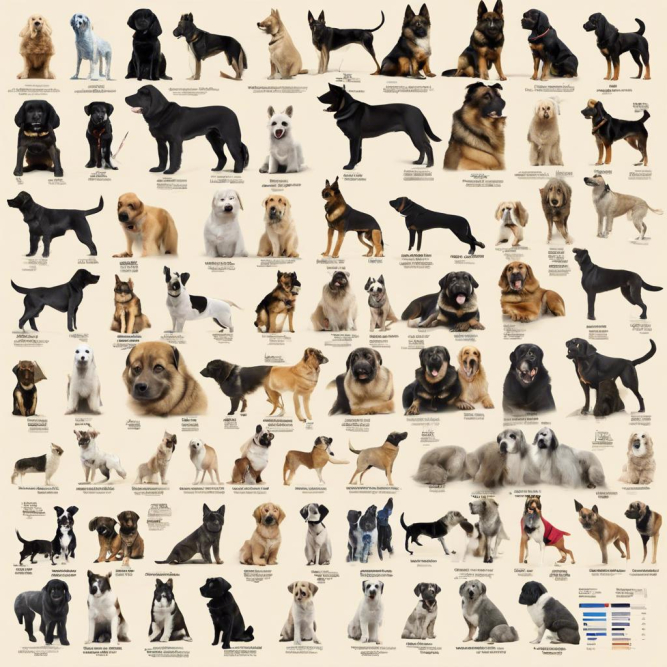
The use of canines within law enforcement has a long and storied history, dating back centuries. Today, police forces around the world rely on specially trained dogs to assist in a wide range of duties, from tracking suspects to detecting drugs and explosives. With a variety of breeds employed in police work, it is important to understand the specific characteristics and abilities of each in order to optimize their effectiveness in the field. This research aims to provide a comprehensive overview of the various canine breeds commonly utilized in law enforcement, with a focus on their specific traits, abilities, and suitability for different types of police work. By delving into the unique characteristics of police canine breeds, this study aims to enhance our understanding of these invaluable assets to law enforcement agencies.
Table of Contents
- German Shepherd: The Most Common and Versatile Police Canine Breed
- Belgian Malinois: The High-Energy, Agile Breed Preferred for K-9 Units
- Labrador Retriever: A Friendly and Reliable Police Work Dog
- Dutch Shepherd: A Rare but Highly Capable Breed for Law Enforcement
- Rottweiler: The Powerful and Protective Breed for Specialized Police Tasks
- Bloodhound: The Scent Tracking Expert in Police Canine Units
- Q&A
- Closing Remarks
German Shepherd: The Most Common and Versatile Police Canine Breed
German Shepherds are widely recognized as the most common and versatile police canine breed. They are known for their intelligence, strength, and ability to be trained for a variety of tasks. Their strong work ethic and loyalty make them ideal for police work, as well as for search and rescue operations.
One of the key attributes of German Shepherds that make them such a popular choice for police work is their agility. They are able to move quickly and effectively, making them well-suited for tasks such as tracking suspects or apprehending individuals. Furthermore, their keen sense of smell allows them to excel in sniffing out drugs, explosives, and even missing individuals. Additionally, their confident and fearless demeanor makes them natural protectors and defenders, making them an invaluable asset in law enforcement.
Their versatility also extends to their adaptability in different environments. German Shepherds are capable of working in a wide range of climates, from hot desert conditions to cold mountainous terrain. Their ability to thrive in various settings makes them an accessible and reliable option for police forces around the world. With their impressive skill set and unwavering dedication, it’s no wonder that German Shepherds are the go-to choice when it comes to police canine breeds.
| Intelligence | Strength |
| Agility | Keen sense of smell |
| Versatility | Adaptability |
Belgian Malinois: The High-Energy, Agile Breed Preferred for K-9 Units
The Belgian Malinois is widely recognized as one of the top choices for police K-9 units due to its high energy and agility. This breed is known for its intelligence, loyalty, and versatility, making it an ideal candidate for law enforcement work. Belgian Malinois are also used in a variety of other roles, including search and rescue, detection, and protection. Their keen sense of smell and quick reflexes make them valuable assets in the field.
One of the key reasons why the Belgian Malinois is preferred for police K-9 units is its high energy level. This breed requires regular physical activity to maintain its physical and mental well-being, making it well-suited for the demanding and rigorous nature of police work. Their agility and speed allow them to navigate various terrains and situations quickly and effectively.
In addition to their physical abilities, Belgian Malinois are highly trainable and excel in obedience and task-specific training. Their strong work ethic and desire to please their handlers make them well-suited for police work. These qualities, combined with their intelligence and protective instincts, make them a valuable asset to law enforcement agencies. When considering a canine partner for police work, it’s no wonder that the Belgian Malinois is a top choice.
| Physical Characteristics | The Belgian Malinois is a medium-to-large breed with a short coat, typically fawn or mahogany with a black mask |
| Exercise Needs | Requires regular exercise and mental stimulation to prevent boredom and destructive behavior |
| Trainability | Highly trainable and responsive to obedience and task-specific training |
Labrador Retriever: A Friendly and Reliable Police Work Dog
The Labrador Retriever is widely regarded as one of the most friendly and reliable police work dogs. Their intelligence, loyalty, and natural retrieving instincts make them an ideal choice for law enforcement work. Labrador Retrievers are known for their high trainability and ability to quickly learn and perform a variety of tasks, making them valuable assets in police operations.
Traits of Labrador Retrievers as Police Work Dogs:
- Intelligence: Labrador Retrievers are highly intelligent and can quickly grasp and execute commands, making them ideal for police work tasks such as search and rescue, tracking, and detection work.
- Loyalty: These dogs are known for their unwavering loyalty to their handlers, making them reliable partners in law enforcement operations.
- Physical Abilities: Labrador Retrievers are strong, agile, and have excellent stamina, allowing them to perform physically demanding tasks such as apprehending suspects and conducting searches in various terrains.
Training and Utilization:
Labrador Retrievers undergo extensive training to prepare them for police work. They are trained to track scents, detect drugs or explosives, apprehend suspects, and perform search and rescue operations. Due to their friendly and non-aggressive nature, they are also utilized in community policing, where their presence helps bridge the gap between law enforcement and the public.
In conclusion, the Labrador Retriever’s friendly nature, intelligence, loyalty, and physical abilities make them an excellent choice for police work. Their versatility and adaptability allow them to excel in a wide range of law enforcement tasks, making them invaluable assets to police forces around the world.
Dutch Shepherd: A Rare but Highly Capable Breed for Law Enforcement
The Dutch Shepherd is a highly capable and rare breed that has gained popularity in recent years for its exceptional skills in law enforcement. Known for its intelligence, agility, and strong work ethic, the Dutch Shepherd has proven to be an invaluable asset in police work, search and rescue operations, and even military service. This breed is recognized for its keen sense of smell, strong bite force, and natural protective instincts, making it a force to be reckoned with in the field.
One of the key characteristics that sets the Dutch Shepherd apart from other police canine breeds is its versatility. This breed is capable of performing a wide range of tasks, including tracking suspects, locating narcotics, and apprehending individuals when necessary. In addition, the Dutch Shepherd is highly trainable, making it an ideal candidate for law enforcement work. Its natural athleticism and stamina also make it well-suited for demanding physical activities, such as agility courses and long patrols.
In recent years, the Dutch Shepherd has garnered attention for its impressive performance in various police departments around the world. Law enforcement agencies have reported that this breed has been instrumental in solving cases, locating missing persons, and deterring criminal activity. With its loyal and courageous nature, the Dutch Shepherd has proven to be a reliable partner for law enforcement officers, earning its reputation as a highly capable and rare breed in the field of police work.
| Characteristic | Dutch Shepherd |
|---|---|
| Intelligence | High |
| Agility | Excellent |
| Trainability | Exceptional |
| Size | Medium to Large |
| Protective Instincts | Strong |
| Stamina | Exceptional |
It’s no wonder that the Dutch Shepherd is increasingly sought after for police work, as its exceptional abilities and unwavering dedication make it a valuable asset in the fight against crime. With proper training and care, this rare breed has proven itself to be a force to be reckoned with in the realm of law enforcement.
Rottweiler: The Powerful and Protective Breed for Specialized Police Tasks
Rottweilers are a powerful and protective breed that has long been utilized in specialized police tasks. Known for their intelligence, strength, and loyalty, Rottweilers are often trained for roles in law enforcement due to their impressive physical capabilities and unwavering dedication to their handlers. In police work, Rottweilers are commonly utilized for tasks such as apprehension, search and rescue, and detection work.
One of the key reasons why Rottweilers are favored for specialized police tasks is their impressive strength and agility. With a muscular build and strong jaws, these dogs are well-equipped to apprehend suspects and assist in physically demanding situations. Additionally, their keen sense of smell and powerful tracking abilities make them valuable assets for locating missing persons or identifying illegal substances. The Rottweiler’s natural protective instincts also make them ideal for guarding and protecting their human counterparts.
When it comes to police work, Rottweilers undergo rigorous training to ensure they can handle the demanding nature of the job. They are taught to remain focused and obedient, even in high-stress situations. Their intelligence and ability to quickly learn and retain commands make them well-suited for the complex tasks they are required to perform. With the right training and handling, Rottweilers can be invaluable members of law enforcement teams, making them a popular choice for specialized police work.
| Advantages of Rottweilers in Police Work | Challenges of Utilizing Rottweilers in Police Work |
|---|---|
| Superior strength and agility | Potential for aggressive behavior if not properly trained and socialized |
| Excellent tracking and detection abilities | Prone to certain health issues, such as hip dysplasia |
| Loyal and protective nature | Need for consistent, ongoing training and socialization |
Bloodhound: The Scent Tracking Expert in Police Canine Units
Bloodhounds are one of the most renowned breeds in police canine units, valued for their exceptional scent tracking abilities. These dogs have an incredible sense of smell, with up to 300 million scent receptors in their noses, making them ideal for tracking down suspects or locating missing persons. Their keen sense of smell, combined with their tenacious nature, makes them invaluable assets in law enforcement.
These powerful and formidable dogs are known for their ability to track scents over great distances, often for hours or days after the trail has gone cold. Bloodhounds are capable of following a wide range of scents, from human scents to the scent of adrenaline, making them extremely versatile in police work. In addition to their tracking abilities, bloodhounds are also known for their gentle and friendly nature, making them popular choices for police departments looking for an approachable yet effective canine partner.
In police canine units, bloodhounds are often used in search and rescue operations, as well as in locating evidence at crime scenes. Their unique abilities make them an indispensable part of police operations, helping to solve cases and bring closure to families of missing persons. The bond between a bloodhound and its handler is crucial, as these remarkable dogs rely on their human partners to guide and support them in their work. Overall, bloodhounds are a vital and integral part of police canine units, playing a crucial role in maintaining public safety and security.
Q&A
Q: What are the most common breeds used as police canines?
A: German Shepherd: One of the most popular breeds in police work due to their intelligence, loyalty, and strength. They are known for their agility and fearlessness, making them ideal for tracking and apprehending suspects.
Belgian Malinois: Similar in appearance to the German Shepherd, the Malinois is favored for its high energy levels and work ethic. They are often used in narcotics detection, search and rescue, and patrol work.
Labrador Retriever: While Labradors are often associated with being family pets, they are also widely used in police work due to their friendly nature and exceptional sense of smell. They are commonly used in narcotics and explosive detection roles.
Q: How are police canines trained for their roles?
A: Police canines undergo extensive training to prepare them for their duties. They are typically trained in obedience, agility, and specialized tasks such as tracking, searching, and apprehension. Training can take several months to complete, and involves both the canine and their handler working closely together to develop the necessary skills. Research has shown that positive reinforcement methods are most effective in training police canines, as it fosters a strong bond between the canine and their handler and encourages desirable behavior. Additionally, ongoing training and maintenance of skills are crucial to ensure that police canines remain effective in their roles.
Closing Remarks
In conclusion, the selection of police canine breeds is a critical consideration for law enforcement agencies. As we have explored, various factors such as temperament, physical attributes, and breeding history play a significant role in determining the suitability of a breed for police work. It is evident that thorough research and careful selection are essential in ensuring that the chosen breed is capable of performing the duties required of a police dog. With ongoing advancements in genetics and behavior studies, the potential for improved performance and reliability in police canine breeds continues to grow. As law enforcement agencies continue to evolve, the significance of selecting the right breed for the job cannot be overstated. It is our hope that this article has shed light on the importance of understanding the complexities and considerations involved in the selection of police canine breeds.

