



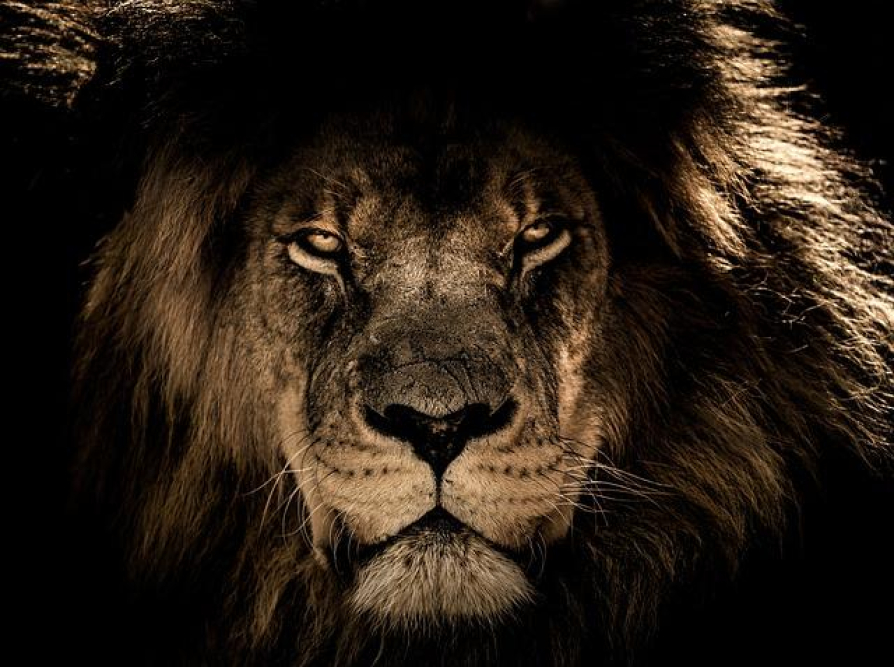
Lions are known for their majestic appearance and fierce demeanor, and their eyes play a significant role in their commanding presence. The piercing gaze of a lion’s eyes has captivated both wildlife enthusiasts and artists for centuries. In this article, we will explore the unique features of a lion’s eyes and how they contribute to the overall behavior and identity of these iconic big cats.
Table of Contents
- The Unique Anatomy of Lion Eyes
- Adaptations for Hunting and Night Vision
- Implications for Conservation and Protection
- Promoting Lion Eye Health in Captivity and the Wild
- Q&A
- Concluding Remarks
The Unique Anatomy of Lion Eyes
Lion eyes are truly fascinating. Their unique anatomy is specially adapted to their hunting and survival needs in the wild. Here are some amazing facts about the structure and function of lion eyes:
- Eye shape: Lion eyes are rounder than those of other big cats, giving them improved depth perception and the ability to judge distances accurately when hunting prey.
- Pupil size: Lions have large pupils that can expand widely in low light conditions, allowing them to see better at night and giving them a hunting advantage in the darkness.
- Tapetum lucidum: This reflective layer behind the retina enhances the lion’s night vision by reflecting incoming light back through the retina, increasing the amount of light available for image formation.
Overall, is a marvel of evolution, perfectly suited to their role as powerful predators in their natural habitat.
| Eye shape | Round |
| Pupil size | Large and expandable |
| Tapetum lucidum | Reflective layer for night vision |
Adaptations for Hunting and Night Vision
Lions are iconic predators known for their hunting prowess, and their adaptations for night vision play a crucial role in their success as apex predators.
Eyes Structure: A lion’s eyes are specially adapted for hunting in low light conditions. Their large pupils and tapetum lucidum, a reflective layer behind the retina, maximize the amount of light that enters the eye and improve their night vision. This allows them to see clearly in the dark, giving them a distinct advantage when stalking prey at night.
Color Vision: While lions have excellent night vision, their color vision is not as developed as humans. This is a trade-off for their enhanced ability to see in low light, as the rod cells in their eyes, which are responsible for night vision, outnumber the cone cells that perceive color.
Implications for Conservation and Protection
The unique characteristics of a lion’s eyes have important efforts. Understanding the physiology and behavior of a lion’s eyes can help conservationists and wildlife managers develop strategies to better protect these majestic creatures.
Implications for Conservation:
- Lions’ keen eyesight helps them spot prey from a distance, making them efficient hunters. Conservation efforts should focus on preserving their natural habitat to ensure their continued access to prey and maintain their population.
- Their distinctive eye color and patterns make them vulnerable to illegal wildlife trade. Conservationists can use this unique feature to track and identify individual lions, aiding in monitoring and protection efforts.
Implications for Protection:
- Lions’ sensitive vision makes them susceptible to human disturbances such as bright lights and flash photography. Wildlife tourism and photography guidelines should be implemented to minimize disruptions to their visual acuity.
- Conservation organizations can use the symbolism of a lion’s eyes in awareness campaigns to garner support for protective measures and funding for conservation projects.
Promoting Lion Eye Health in Captivity and the Wild
Lions are majestic creatures with a unique set of eyes that allow them to thrive in their natural habitat. However, in both captivity and the wild, lions face various challenges to maintain their eye health. As advocates for lion conservation, it is crucial to promote strategies that support their eye health and well-being.
One of the key factors in promoting lion eye health is raising awareness about the importance of regular eye examinations for captive lions. Additionally, ensuring that wild lion populations have access to a healthy and balanced diet can also contribute to maintaining their eye health. Furthermore, implementing measures to prevent eye injuries, such as promoting safe enclosures and habitats, is essential in both captive and wild lion populations.
Q&A
Q: What color are lion’s eyes?
A: Most lions have yellow or golden eyes, although some may have darker brown or amber eyes.
Q: Are there any differences in color between male and female lion’s eyes?
A: No, there is no difference in eye color between male and female lions.
Q: Do lion’s eyes glow in the dark?
A: Yes, lion’s eyes have a reflective layer at the back of the retina called the tapetum lucidum, which enables them to see in low light and gives their eyes a reflective, glowing appearance at night.
Q: How does the color of a lion’s eyes benefit them in the wild?
A: The yellow or golden color of lion’s eyes helps them blend in with their surroundings in the grasslands and allows them to effectively camouflage while hunting.
Q: Can lions see well in the dark?
A: Yes, lions have excellent night vision due to a high number of rod cells in their eyes, which makes them well-adapted for hunting in low light conditions.
Q: Do lion’s eyes change color with age?
A: No, the color of a lion’s eyes remains the same throughout its life.
Concluding Remarks
In conclusion, the eyes of lions play a crucial role in their survival and success as apex predators. Their exceptional vision, ability to see in low light, and perceptive gaze make them formidable hunters and leaders within their social groups. By understanding the unique characteristics of lion eyes, we can gain a deeper appreciation for the remarkable abilities of these majestic animals and their place within the natural world. We hope this article has provided valuable insight into the fascinating world of lion eyes and their significance in the wild. Thank you for reading.

