



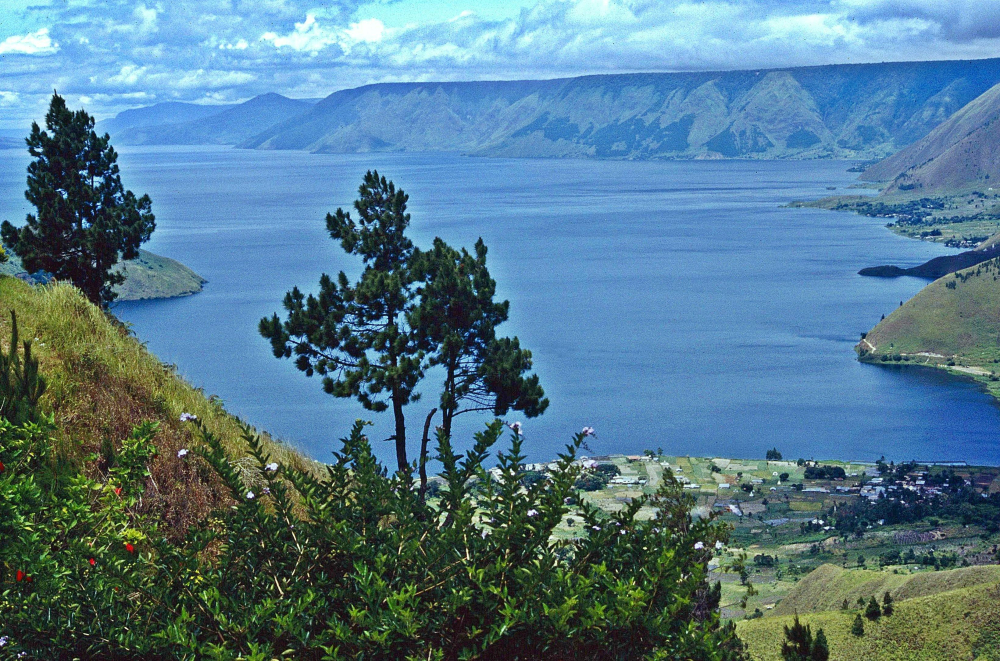
Welcome to the mysterious realm of Lake Toba, nestled in the heart of the Indonesian archipelago. As the largest volcanic lake in the world, this enchanting wonder of nature beckons the curious and captivates the adventurous. Shrouded in scientific marvel, Lake Toba offers a window into the tumultuous history of our planet, while also providing a serene haven for its visitors. Join us as we embark on an awe-inspiring journey through the pristine waters and delve into the scientific intricacies that make Lake Toba a captivating destination unlike any other.
Table of Contents
- Understanding Lake Toba’s Formation: Unveiling the Origins and Geological Significance
- Biodiversity at Lake Toba: An Ecological Haven and Conservation Concern
- Exploring Cultural Heritage at Lake Toba: Preserving Indigenous Traditions
- Sustainable Tourism in Lake Toba: Balancing Economic Growth and Environmental Protection
- Q&A
- Key Takeaways
Understanding Lake Toba’s Formation: Unveiling the Origins and Geological Significance
The majestic Lake Toba, nestled in the picturesque landscape of North Sumatra, Indonesia, is nothing short of a wonder. Its immense beauty and sheer size of 1,145 square kilometers have intrigued geologists and researchers for ages. To truly grasp the significance of this natural wonder, we must delve into its formation and unravel its geological history.
At the core of Lake Toba’s creation lies an astonishing volcanic eruption that took place approximately 75,000 years ago. This catastrophic event, known as the Toba catastrophe theory, was an earth-shattering phenomenon that shaped the region as we know it. The eruption, one of the largest in the last 25 million years, spewed an enormous amount of volcanic material, covering vast areas with ash and thick pyroclastic flows.
Beneath the tranquil surface of Lake Toba lies an enormous caldera, a volcanic depression formed after the volcanic eruption. This caldera, with a length of about 100 kilometers and a width of 30 kilometers, is an awe-inspiring sight to behold. The molten magma chamber that fueled the eruption eventually collapsed, leaving a massive void that filled with water over tens of thousands of years, forming the lake we see today.
| Key Facts about Lake Toba | |
|---|---|
| Lake area | 1,145 square kilometers |
| Formation | Approximately 75,000 years ago |
| Volcanic eruption | One of the largest in the last 25 million years |
| Caldera size | Approximately 100 kilometers long and 30 kilometers wide |
The geological significance of Lake Toba extends beyond its breathtaking beauty. Its formation played a crucial role in shaping the surrounding landscape, including the fertile soils that support thriving agriculture in the region. Furthermore, the Toba eruption significantly impacted the global climate, causing a temporary disruption of the Earth’s atmosphere and inducing a volcanic winter that lasted for years.
Today, Lake Toba stands as a testament to the extraordinary forces of nature that have shaped our planet. Its geological origins provide us with invaluable insights into the Earth’s history and the profound impact that volcanic events can have on our environment. Exploring Lake Toba allows us to appreciate the remarkable natural wonders that exist in our world and fuels our curiosity to further unveil the secrets hidden beneath the Earth’s surface.
Biodiversity at Lake Toba: An Ecological Haven and Conservation Concern
Lake Toba, located in North Sumatra, Indonesia, is not only the largest volcanic lake in the world but also a treasure trove of biodiversity. Its unique features and rich ecosystem make it an ecological haven, attracting scientists and nature enthusiasts from around the globe. However, despite its natural splendor, Lake Toba also faces significant conservation concerns that threaten its delicate balance.
The lake, formed over 70,000 years ago due to a massive volcanic eruption, boasts unparalleled beauty and biological diversity. Its crystal-clear waters are home to a wide array of species, some of which are endemic to the region. Within its depths, researchers have discovered countless fish species, including the Toba catfish and giant gourami, as well as diverse aquatic plant life.
Unfortunately, the unique biodiversity of Lake Toba faces several challenges. Overfishing, pollution, and the introduction of invasive species have all taken their toll on the lake’s fragile ecosystem. The rapid growth of tourism in the area has also led to increased pressure on the environment, with potential threats such as habitat destruction and the introduction of pollutants.
Efforts are being made to address these conservation concerns and protect the ecological integrity of Lake Toba. Local authorities, environmental organizations, and researchers are working together to develop sustainable fishing practices, implement waste management systems, and raise awareness about the importance of preserving this remarkable natural heritage.
Preserving the biodiversity at Lake Toba is not only crucial for the local ecosystem but also for the global community. The lake’s unique species and their habitats contribute to the overall health of our planet and have significant scientific value. By understanding and conserving this ecological haven, we can ensure the long-term survival and enjoyment of Lake Toba for generations to come.
Exploring Cultural Heritage at Lake Toba: Preserving Indigenous Traditions
One cannot visit Lake Toba without being captivated by its rich cultural heritage. Situated in North Sumatra, Indonesia, Lake Toba is not only the largest volcanic lake in the world but is also home to the Batak people, an indigenous community with a vibrant history and traditions dating back centuries.
The Batak People: Guardians of Tradition
The Batak people have a deep connection with Lake Toba, considering it not only a source of sustenance but also a place of spiritual significance. They have managed to preserve their indigenous traditions despite modern influences, making it a unique destination for cultural enthusiasts and researchers alike.
One of the most striking aspects of Batak culture is their ancestral adat houses, characterized by their distinct saddle-shaped roofs and decorative carvings. These houses were traditionally made from wood and served as communal spaces for extended families. Today, visitors can catch a glimpse of these traditional houses and witness the artistry skills of the Batak people firsthand.
The Preservation Efforts and Challenges
Preserving the cultural heritage of Lake Toba and its indigenous traditions is of paramount importance. Ancestral knowledge, traditional dances, music, and oral history are being passed down through generations, ensuring the continuity of ancient practices.
However, the rapid development of tourism and globalization pose significant challenges to the preservation efforts. The influx of visitors and their fascination with Batak culture can sometimes lead to exploitation and commodification of traditional practices. It is crucial for the local government and communities to strike a delicate balance between promoting cultural tourism and safeguarding the integrity of Batak traditions.
Supporting Sustainable Tourism
To support the preservation of indigenous traditions at Lake Toba, sustainable tourism practices are being emphasized. This includes responsible tourism options that promote cultural exchange while respecting the values and customs of the Batak people. Visitors are encouraged to engage in authentic cultural experiences such as participating in traditional ceremonies, learning traditional crafts, and supporting local artisans.
By fostering a deeper understanding and appreciation of Batak culture, both locals and visitors can play a crucial role in safeguarding the cultural heritage of Lake Toba for future generations. Lake Toba stands as a testament to the resilience of the Batak people and their determination to maintain their unique ways of life in the face of modernization.
Sustainable Tourism in Lake Toba: Balancing Economic Growth and Environmental Protection
Lake Toba, located in the northern part of Sumatra, Indonesia, is not only the largest volcanic lake in the world but also a popular tourist destination. With its breathtaking beauty and unique cultural heritage, it has become an important source of revenue and employment for the local community. However, the rapid growth of tourism has raised concerns about its impact on the environment and the need to strike a balance between economic development and sustainability.
One of the main challenges faced by Lake Toba is managing the influx of tourists without causing irreparable damage to its fragile ecosystem. The increase in hotels, resorts, and other infrastructure has put a strain on natural resources and disrupted the natural habitats of wildlife. To address this issue, the local government and stakeholders have implemented various measures to promote sustainable tourism practices.
Efforts have been made to regulate the number of visitors and control the development of new establishments. The introduction of ecotourism initiatives encourages tourists to engage in activities that have minimal impact on the environment, such as hiking, bird watching, and cultural tours. Additionally, the promotion of responsible tourism practices, such as waste management, water conservation, and energy efficiency, is being actively encouraged.
It is crucial for all stakeholders in Lake Toba to recognize the importance of achieving a balance between economic growth and environmental protection. By adopting sustainable tourism practices, the region can continue to benefit from tourism while preserving its natural and cultural heritage for future generations. With the joint efforts of the local community, government, and tourists, Lake Toba can become a model for sustainable tourism in Indonesia and beyond.
Q&A
Q: What is Lake Toba?
A: Lake Toba is a large natural lake located in the northern part of the Indonesian island of Sumatra. It is a volcanic lake formed over 70,000 years ago from a supervolcanic eruption.
Q: How big is Lake Toba?
A: Lake Toba is one of the largest lakes in the world, covering an area of approximately 1,707 square kilometers (660 square miles). It stretches about 100 kilometers (62 miles) in length and 30 kilometers (19 miles) in width.
Q: Who discovered Lake Toba?
A: Lake Toba was discovered by European explorers during the colonial era. Sir Thomas Stamford Raffles, a British statesman and historian, introduced the lake to the western world in the early 19th century.
Q: What makes Lake Toba unique?
A: Lake Toba is known for its exceptional geological significance and stunning beauty. It is also the largest volcanic lake in the world and ranks among the deepest, reaching depths of up to 505 meters (1,657 feet). The lake’s picturesque setting is complemented by the Samosir Island located in its center.
Q: Is Lake Toba a volcanic crater?
A: Yes, Lake Toba was formed inside a volcanic crater, known as a caldera. The current lake is a result of an immense eruption that occurred around 70,000 years ago. This eruption is believed to be the largest volcanic event on Earth in the past 25 million years.
Q: Are there any noteworthy geological features surrounding Lake Toba?
A: Lake Toba is surrounded by picturesque mountainous terrain, including the Toba Caldera. At approximately 100 kilometers (62 miles) long and 30 kilometers (19 miles) wide, the caldera is truly breathtaking. It encloses the lake like a rim, offering visitors unparalleled views.
Q: What impact did the massive eruption have on Lake Toba and the environment?
A: The eruption of Lake Toba had significant global consequences. It led to a volcanic winter which lasted several years, resulting in a decrease in global temperatures and widespread environmental effects. In terms of human populations, it caused a drastic reduction in the number of Homo sapiens, leading to a genetic bottleneck in the human evolutionary tree.
Q: Is Lake Toba a popular tourist destination?
A: Yes, Lake Toba has become a prominent tourist attraction in recent years. Visitors are drawn to its idyllic landscapes, cultural heritage, and recreational activities such as hiking, boating, and exploring traditional Batak villages. Numerous hotels, guesthouses, and resorts have been established to accommodate the growing number of adventure seekers and nature enthusiasts.
Q: What can tourists expect to experience while visiting Lake Toba?
A: Tourists visiting Lake Toba can indulge in a wide array of activities. They can take leisurely strolls along the lake’s picturesque shores, visit historic sites such as the Pusuk Buhit volcano, or simply relax on the pristine sandy beaches. The rich Batak culture also provides an opportunity to explore unique traditions, witness traditional dances, and savor local cuisine.
Q: Is Lake Toba facing any environmental challenges?
A: Yes, like many other natural wonders, Lake Toba is facing environmental challenges. Issues such as pollution from agricultural runoff, waste management, and deforestation pose significant threats to the lake’s ecosystem. However, efforts are being made to address these issues through sustainable tourism practices and environmental conservation initiatives.
Key Takeaways
In conclusion, the majestic Lake Toba, located in the heart of the Indonesian archipelago, stands as a true marvel of nature. This ancient volcanic caldera, formed through cataclysmic events millions of years ago, offers a unique glimpse into the Earth’s turbulent past. While its unrivaled beauty has captivated countless visitors from around the globe, its scientific significance remains equally profound.
Through painstaking geological research and ongoing studies, Lake Toba continues to reveal secrets embedded within its age-old depths. Scientists have unraveled tales of massive eruptions and the dramatic impact they had on global climate patterns. This pivotal event, known as the Toba Catastrophe Theory, has provided critical insights into evolutionary biology, offering invaluable clues about human origins and species diversification.
Beyond its scientific significance, Lake Toba’s immense ecological importance cannot be overstated. Teeming with biodiversity, it is a thriving ecosystem that supports numerous species of fish and other aquatic life. Monitoring and safeguarding this delicate habitat is crucial for maintaining the delicate balance of nature that has flourished here for millennia.
As we bid farewell to Lake Toba, we are reminded of the immense power and beauty that can arise from geological chaos. Determining our place in this grand cosmic tapestry is an ongoing endeavor, and Lake Toba serves as a constant reminder of the mysteries yet to be uncovered. It is our duty as stewards of the Earth to ensure its preservation, allowing future generations to marvel at its splendor and unlock the secrets it still holds.
In the end, Lake Toba stands not only as a picturesque destination for avid travelers but also as a living laboratory, where science and nature converge harmoniously. Let us cherish and protect this awe-inspiring wonder, as its magnificence serves as a timeless reminder of Earth’s geological past and an invaluable platform for further scientific exploration and discovery.

