



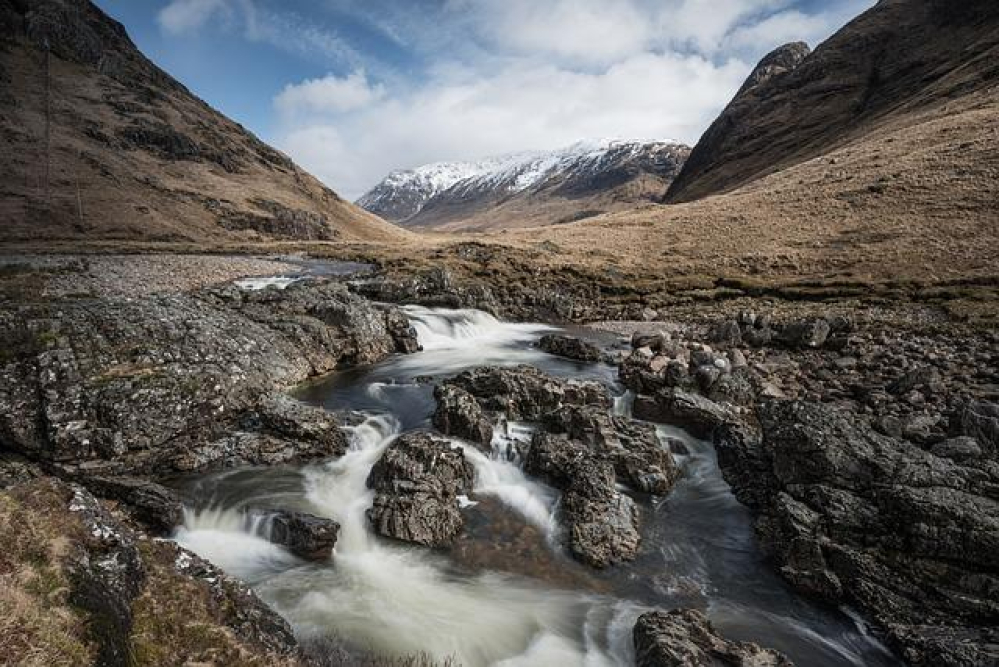
River valleys are geographical features that have played a significant role in shaping the landscape and the development of human civilization. With their fertile soils, abundant water supply, and natural transportation corridors, river valleys have long been hubs for agriculture, trade, and settlement. In this article, we will explore the various characteristics and importance of river valleys, as well as their impact on the environment and human societies.
Table of Contents
- Geological Formation of River Valleys
- Importance of River Valleys for Ecosystems
- Challenges and Threats to River Valleys
- Conservation and Management of River Valleys
- Q&A
- Future Outlook
Geological Formation of River Valleys
River valleys are created through a complex process involving geological formations and natural forces. The formation of river valleys is a result of various factors such as erosion, tectonic activity, and sedimentation.
Erosion plays a significant role in shaping river valleys. The continuous flow of water over thousands of years wears down the surrounding rock and soil, carving out the characteristic V-shape of many river valleys. Additionally, tectonic activity, such as the movement of Earth’s crust, can also contribute to the formation of river valleys by creating fractures and faults in the landscape.
Sedimentation, or the deposition of eroded material, can further shape river valleys by creating floodplains and meanders. Over time, these natural processes work together to create the diverse and picturesque river valleys that we see today.
Key Factors in the
- Erosion
- Tectonic activity
- Sedimentation
Table: Examples of Famous River Valleys
| Valley | Location |
|---|---|
| Grand Canyon | Arizona, USA |
| Rhine Valley | Germany |
| Amazon River Valley | South America |
Importance of River Valleys for Ecosystems
River valleys are essential for the functioning of ecosystems around the world. These areas provide a wide range of benefits for both the environment and the organisms that inhabit them.
One of the key reasons river valleys are important for ecosystems is their role in providing habitat for a diverse array of plants, animals, and microorganisms. The unique combination of land, water, and climate in these areas creates a rich and varied environment that supports a wide range of species. River valleys also serve as important migratory routes and breeding grounds for many species, contributing to the overall diversity and health of surrounding ecosystems.
River valleys also play a crucial role in regulating the water cycle and supporting the overall health of ecosystems. The water in these areas serves as a vital resource for plants and animals, and also helps to maintain the balance of water in the surrounding landscape. Additionally, river valleys can help to mitigate the impacts of floods and droughts, providing a buffer that helps to protect surrounding ecosystems from extreme weather events.
Challenges and Threats to River Valleys
River valleys are incredibly important ecosystems that provide a wide range of benefits to both humans and wildlife. However, they also face a number of challenges and threats that can have a negative impact on their health and sustainability.
Some of the main challenges and threats facing river valleys include:
- Urbanization and development, which can lead to habitat destruction and pollution
- Deforestation, which can increase erosion and sedimentation in rivers
- Climate change, which can lead to more frequent and severe flooding and droughts
- Overuse of water resources for agriculture and industry
- Introduction of invasive species, which can disrupt the natural balance of the ecosystem
It is important to address these challenges and threats in order to protect and preserve the health of river valleys for future generations. By implementing sustainable land use practices, promoting conservation efforts, and ensuring that water resources are used responsibly, we can work towards protecting the valuable ecosystems of river valleys.
Conservation and Management of River Valleys
River valleys are unique and important ecosystems that require careful conservation and management to ensure their long-term sustainability. These areas are home to a wide variety of plant and animal species, as well as providing important habitats for migratory birds and other wildlife. Additionally, river valleys often play a crucial role in supporting local communities, providing water for irrigation, drinking, and other essential needs.
Conservation and management strategies
- Protecting riparian zones: Maintaining healthy vegetation along river banks helps to prevent erosion and filter pollutants from entering the water.
- Restoring natural flow patterns: By removing dams and other barriers, we can allow rivers to flow more freely, benefitting both wildlife and local communities.
- Community engagement: Involving local residents in conservation efforts can help to ensure the sustainable use of river valley resources.
| Challenges | Solutions |
|---|---|
| Water pollution | Implementing stricter regulations on industrial and agricultural pollution. |
| Habitat destruction | Creating protected areas and wildlife corridors to preserve critical habitats. |
Q&A
Q: What is a river valley?
A: A river valley is a low-lying area of land that has been formed by a river cutting through the earth over time.
Q: What are the key features of a river valley?
A: Key features of a river valley include steep sides, a wide flat bottom, and a river that flows through the center.
Q: What role do river valleys play in the environment?
A: River valleys are important in the environment as they provide fertile soil for agriculture, supply water for irrigation, and are home to diverse ecosystems.
Q: How are river valleys formed?
A: River valleys are formed through the process of erosion, as rivers gradually wear down the land and create a channel for water to flow through.
Q: What are some examples of famous river valleys?
A: Some famous river valleys include the Nile River Valley in Egypt, the Amazon River Valley in South America, and the Mississippi River Valley in the United States.
Q: How do river valleys impact human civilization?
A: River valleys have historically played a significant role in human civilization, as they have provided a source of water, transportation, and fertile land for agriculture.
Q: Can river valleys be at risk of environmental degradation?
A: Yes, river valleys can be at risk of environmental degradation due to factors such as deforestation, pollution, and climate change, which can negatively impact the health of the river and surrounding ecosystems.
Future Outlook
In conclusion, river valleys play a crucial role in shaping landscapes, providing fertile soil for agriculture, and sustaining diverse ecosystems. The rich biodiversity and cultural significance of river valleys make them a unique and valuable resource. By understanding the geological processes and ecological dynamics of river valleys, we can better appreciate and protect these invaluable natural environments. As we continue to study and preserve river valleys, we can ensure that these vital ecosystems continue to thrive for generations to come. Thank you for taking the time to learn more about the importance of river valleys.
Auto Amazon Links: No products found.

