



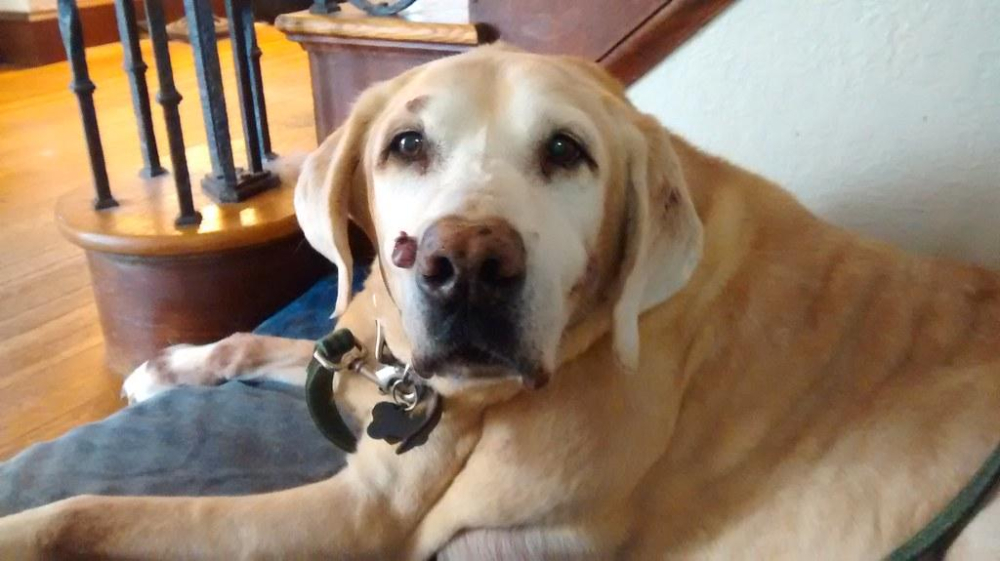
Warts are a common occurrence in dogs and can often be a cause for concern for pet owners. While they are generally harmless, they can become irritating for the dog and may need to be removed. In this article, we will discuss the various methods for removing warts on a dog, as well as the potential risks and considerations that pet owners should keep in mind. By understanding the options available, pet owners can make an informed decision about the best course of action for their furry friend.
Table of Contents
- Identifying Warts on Dogs: Symptoms and Characteristics
- The Importance of Consulting a Veterinarian for Wart Removal
- Options for Wart Removal: Surgical and Non-Surgical Methods
- Home Remedies for Wart Removal and Precautions to Take
- Post-Removal Care: Monitoring for Recurrence and Potential Complications
- Q&A
- Insights and Conclusions
Identifying Warts on Dogs: Symptoms and Characteristics
Identifying warts on dogs can be challenging, as they can vary in size, color, and texture. However, there are certain symptoms and characteristics that can help pet owners recognize these skin growths. Warts on dogs are typically small, raised lumps that may have a rough or bumpy texture. They can appear anywhere on the body, including the face, paws, legs, and torso.
One common type of wart on dogs is the papilloma virus, which often affects younger dogs and is most commonly found in and around the mouth. Canine warts can also be caused by the canine papilloma virus, a highly contagious virus that can be transmitted through direct contact with an infected dog or contaminated surfaces. Other symptoms of warts on dogs may include itching, bleeding, or discharge from the affected area. If you notice any of these symptoms or characteristics, it’s important to consult with a veterinarian to determine the best course of action for removal.
When it comes to removing warts on dogs, there are several options available, depending on the size and location of the growth. **Surgical removal** is often recommended for larger warts or those that interfere with a dog’s mobility. Another method is cryotherapy, which involves freezing the wart with liquid nitrogen to destroy the affected tissue. Additionally, there are topical treatments and medications that can be prescribed by a veterinarian to help shrink or eliminate warts. Regardless of the method chosen, it’s crucial to seek professional guidance to ensure the safe and effective removal of warts on dogs.
The Importance of Consulting a Veterinarian for Wart Removal
When it comes to the health and well-being of our furry companions, it’s essential to consult a veterinarian for any skin issues, including wart removal. Warts on dogs can vary in size and appearance, and they can be caused by a variety of factors such as viruses or skin irritation. While some warts may not cause any discomfort to your pet, others can become bothersome and even painful if left untreated. This is why it’s crucial to seek professional advice from a qualified veterinarian to determine the best course of action for wart removal.
Consulting a veterinarian for wart removal offers several important benefits for both you and your dog:
1. Accurate Diagnosis: A veterinarian can accurately identify the type of wart and determine whether it poses any potential health risks to your dog.
2. Tailored Treatment Plan: Based on the specific characteristics of the wart, a veterinarian can develop a tailored treatment plan that addresses the wart effectively while minimizing any discomfort for your pet.
3. Professional Expertise: Veterinarians have the expertise and experience to perform wart removal procedures safely and efficiently, reducing the risk of complications.
4. Post-Procedure Care: After wart removal, a veterinarian can provide guidance on post-procedure care to ensure proper healing and minimize the risk of recurrence.
In conclusion, consulting a veterinarian for wart removal is essential for ensuring the health and well-being of your dog. With their expertise and professional guidance, you can address warts effectively and provide your pet with the best possible care.
Options for Wart Removal: Surgical and Non-Surgical Methods
When it comes to removing a wart on a dog, there are both surgical and non-surgical options available. The best method for wart removal will depend on the size, location, and type of wart, as well as the overall health and tolerance of the dog. Here’s a closer look at both the surgical and non-surgical methods for wart removal:
Non-Surgical Methods:
– **Cryotherapy**: This non-surgical method involves freezing the wart with liquid nitrogen, causing the wart to blister and fall off.
– **Topical Treatments**: There are various over-the-counter and prescription topical treatments that can be applied directly to the wart to help it shrink and eventually disappear.
Surgical Methods:
– **Excision**: This surgical method involves cutting out the wart and stitching the area back together.
– **Laser Surgery**: Laser surgery can be used to vaporize the wart tissue, allowing for precise removal without much bleeding.
In conclusion, when it comes to wart removal on a dog, it’s important to consult with a veterinarian to determine the best course of action. Whether it’s through non-surgical methods like cryotherapy or topical treatments, or through surgical methods like excision or laser surgery, the goal is to safely and effectively remove the wart while minimizing discomfort for the dog.
Home Remedies for Wart Removal and Precautions to Take
When it comes to removing a wart on a dog, there are several home remedies that pet owners can try. It’s important to note that not all warts necessarily need to be removed, especially if they are not causing any discomfort to the dog. However, if the wart is bothersome or causing irritation, these home remedies may help in safely removing it.
Home Remedies for Wart Removal:
- Apple Cider Vinegar: Soak a cotton ball in apple cider vinegar and apply it to the wart. Cover it with a bandage and leave it on for 24 hours. Repeat this process daily until the wart dries up and falls off.
- Castor Oil: Apply castor oil directly to the wart and cover it with a bandage. Repeat this process daily until the wart disappears.
- Garlic: Crush a clove of garlic and apply the juice directly to the wart. Cover it with a bandage and leave it on for a few hours. Repeat this process daily until the wart is gone.
Precautions to Take:
- Avoid attempting to cut or remove the wart using sharp tools, as this can lead to infection and further complications.
- Keep the affected area clean and dry to prevent the spread of the wart to other parts of the dog’s body.
- If the wart does not respond to home remedies or if it continues to grow in size, consult a veterinarian for professional advice and treatment options.
Post-Removal Care: Monitoring for Recurrence and Potential Complications
After successfully removing a wart from your dog, it is important to monitor the area for any signs of recurrence or potential complications. This ensures that your furry friend remains healthy and happy after the procedure. Here are some important steps to follow for post-removal care:
**Monitoring for Recurrence:**
– Keep a close eye on the area where the wart was removed.
– Look for any new growths or changes in the skin.
– If you notice any suspicious changes, consult your veterinarian immediately.
**Potential Complications to Watch For:**
– Infection: Check for redness, swelling, or discharge around the area.
– Pain: Monitor your dog for signs of discomfort or pain.
– Delayed Healing: Ensure that the wound is healing properly and there are no issues with tissue regeneration.
In addition to monitoring for recurrence and potential complications, it is important to follow any additional post-removal care instructions provided by your veterinarian. By staying vigilant and proactive, you can help ensure a smooth recovery for your dog after wart removal.
Q&A
Q: What is a wart and why does a dog get them?
A: Warts are skin growths caused by a viral infection in the top layer of the skin. Dogs can get warts from various strains of the papillomavirus.
Q: How do I know if my dog has a wart?
A: Warts on dogs typically appear as small, round, rough growths on the skin. They are usually benign but can become irritated or infected if they are located in areas where the dog can scratch or chew them.
Q: Can I remove a wart on my dog at home?
A: It is not recommended to attempt to remove a wart at home without consulting a veterinarian. DIY methods such as freezing or using over-the-counter wart removers can be harmful to your pet and may not effectively remove the wart.
Q: What is the best way to remove a wart from a dog?
A: The best way to remove a wart from a dog is to have a veterinarian evaluate and treat it. They may recommend various methods, such as surgical removal, cryotherapy, or laser treatment, depending on the size and location of the wart.
Q: Can warts on dogs be prevented?
A: While there is no guaranteed way to prevent warts in dogs, keeping your pet healthy and ensuring their immune system is strong can help reduce the risk of developing warts. Additionally, avoiding areas where infected dogs may have been, such as dog parks, can also help reduce the risk of exposure to the virus.
Insights and Conclusions
In conclusion, removing a wart from your dog requires careful consideration and attention to detail. Consulting with a veterinarian is essential to ensure the proper diagnosis and treatment plan for your pet. With the guidance of a professional, you can effectively address the wart and minimize any discomfort for your furry companion. Remember to always prioritize the well-being of your dog and seek professional help when dealing with skin conditions. Thank you for reading and best of luck in your efforts to remove a wart from your dog.

