



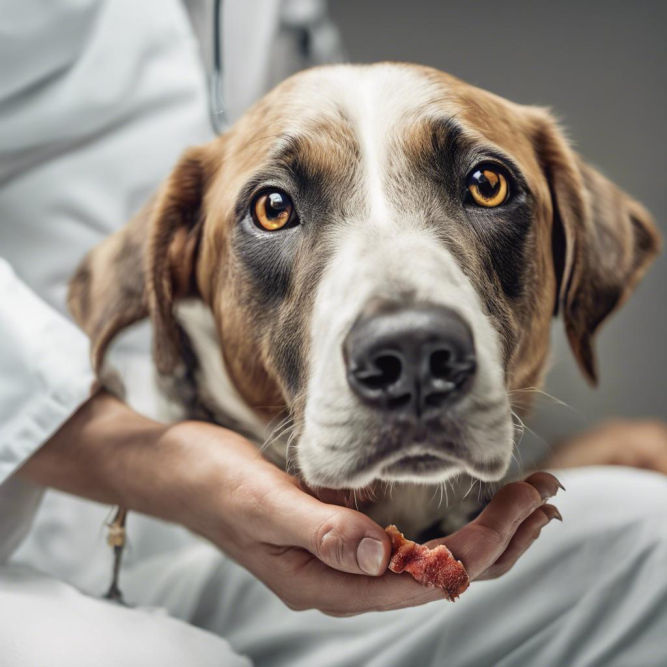
Warts are a common dermatological issue in dogs, caused by the canine papillomavirus. While they are usually benign and self-limiting, some warts can become large, itchy, or unsightly, prompting pet owners to seek treatment options. In this article, we will explore the various methods for treating warts on dogs, drawing from the latest scientific research and veterinary expertise. Understanding the available treatments and their effectiveness is crucial in providing optimal care for canine patients affected by warts.
Table of Contents
- Diagnosing Canine Warts: Identifying Common Symptoms and Types
- Understanding the Causes of Warts in Dogs: Viral and Environmental Factors
- Treating Dog Warts: Topical Applications and Surgical Options
- The Role of Diet and Immune Health in Managing Canine Warts
- Preventing the Spread of Warts in Multi-Dog Environments
- Monitoring and Managing Potential Complications of Canine Wart Treatment
- Natural Remedies for Dog Warts: Evaluating Efficacy and Safety
- Consulting a Veterinarian: When to Seek Professional Treatment for Dog Warts
- Q&A
- Final Thoughts
Diagnosing Canine Warts: Identifying Common Symptoms and Types
Canine warts, also known as viral papillomas, are a common skin condition that affects dogs of all ages and breeds. While often harmless, these small, raised growths can be unsightly and may cause discomfort to your furry friend. In this section, we will discuss how to diagnose canine warts by identifying common symptoms and types.
Common Symptoms of Canine Warts:
- Small, raised growths on the skin or mucous membranes
- Pink, flesh-colored, or white in appearance
- Rough or cauliflower-like texture
- Clusters of warts in a localized area
- Itchiness or discomfort
Types of Canine Warts:
- Oral Warts: These typically appear on the lips, gums, or inside the mouth and can cause difficulty eating or drinking.
- Cutaneous Warts: Found on the skin, these warts are often seen on the face, neck, and paws of the dog.
It’s important to note that while most canine warts resolve on their own within a few months, some may require treatment, especially if they cause discomfort or interfere with your dog’s normal activities. If you notice any concerning symptoms or if your dog’s warts are not improving, it’s best to consult with a veterinarian for a proper diagnosis and treatment plan.
Understanding the Causes of Warts in Dogs: Viral and Environmental Factors
Warts in dogs are a common skin condition that can be caused by both viral and environmental factors. Understanding the underlying causes of warts in dogs is crucial for effective treatment and prevention. Viral factors, such as papillomavirus, are known to be one of the primary causes of warts in dogs. These viruses can be easily transmitted through direct contact with an infected dog or contaminated objects, and they thrive in warm and moist environments.
Aside from viral factors, environmental factors can also contribute to the development of warts in dogs. Exposure to certain chemicals, pollutants, and toxins in the environment can weaken the immune system of dogs, making them more susceptible to viral infections and the development of warts. Additionally, physical trauma, such as scratches or cuts, can create an entry point for viruses to infect the dog’s skin and lead to the formation of warts.
Treatment Options for Warts on Dogs
When it comes to treating warts on dogs, there are several options available. The treatment approach will depend on the severity of the warts and the underlying causes. Here are some common treatment options for warts on dogs:
- Surgical Removal: For larger or more persistent warts, surgical removal by a veterinarian may be necessary.
- Cryotherapy: Freezing the warts using cryotherapy can be effective in eliminating the growths.
- Medications: Some topical ointments and medications can be prescribed to help shrink and heal warts on dogs.
- Immune-boosting Supplements: Improving the dog’s immune system through supplements and a balanced diet can help the body fight off viral infections and reduce the occurrence of warts.
In conclusion, understanding the causes of warts in dogs, including viral and environmental factors, is essential for effective treatment and prevention. By addressing both the viral and environmental triggers, pet owners can help minimize the risk of warts in their furry companions and provide the necessary care to keep their skin healthy.
Treating Dog Warts: Topical Applications and Surgical Options
Dog warts, also known as papillomas, are common benign skin growths that affect dogs of all ages. While they are not usually a serious health concern, they can be unsightly and may cause discomfort for the dog. There are several treatment options available for dog warts, including topical applications and surgical procedures.
One of the most common topical applications for treating dog warts is the use of salicylic acid. This compound is often found in over-the-counter wart removal products for humans and can also be used to treat dog warts. Salicylic acid works by causing the outer layers of the wart to gradually peel away, allowing healthy skin to grow in its place. Another effective topical treatment is the application of essential oils, such as tea tree oil or thuja oil, which have antiviral and antiseptic properties that can help reduce the size and appearance of the warts.
In some cases, surgical removal of the warts may be necessary, especially if they are large, numerous, or causing discomfort to the dog. This procedure is typically performed under anesthesia, and the warts are excised from the skin using a scalpel or laser. While surgical removal is generally effective, there is a risk of scarring and infection, so it is important to follow post-operative care instructions provided by your veterinarian. Additionally, it’s important to note that some dog warts may resolve on their own over time, especially if the dog’s immune system is strong. Regular monitoring and consultation with a veterinarian are essential to determine the best course of action for treating dog warts.
The Role of Diet and Immune Health in Managing Canine Warts
Canine warts, also known as viral papillomas, are a common skin condition in dogs caused by the papillomavirus. While they are generally harmless and tend to resolve on their own, is an important aspect to consider when seeking treatment options for your furry friend.
A balanced and nutritious diet plays a crucial role in maintaining a strong immune system in dogs, which in turn can help the body effectively fight off viral infections such as papillomas. Foods rich in vitamins, minerals, and antioxidants, such as vitamin C, vitamin E, and beta-carotene, can support immune function and overall health. Including omega-3 fatty acids from sources like fish oil can also help reduce inflammation and bolster the immune response. Additionally, ensuring that your dog is adequately hydrated is important for immune health and can help promote skin healing.
Incorporating immune-boosting supplements into your dog’s diet may also be beneficial in managing canine warts. Supplements such as echinacea, astragalus, and medicinal mushrooms like reishi and maitake have been shown to support immune function in dogs. However, it is important to consult with a veterinarian before introducing any new supplements to your dog’s diet to ensure safety and efficacy. A holistic approach to managing canine warts that includes a healthy diet and immune support can aid in resolving these pesky skin growths and promoting overall well-being in your beloved canine companion.
table style=”width:100%”
Preventing the Spread of Warts in Multi-Dog Environments
is crucial to maintaining the health and well-being of our furry friends. Warts, also known as papillomas, are caused by a virus known as the papillomavirus. This virus can easily spread from one dog to another through direct contact or through contaminated objects such as toys, water bowls, or grooming tools. To prevent the spread of warts in multi-dog environments, it is important to take proactive measures to minimize the risk of transmission.
First, it is essential to regularly monitor all dogs in a multi-dog environment for any signs of warts. Early detection can help prevent the spread of warts to other dogs. If a dog is found to have warts, isolating them from other dogs is crucial to prevent the spread of the virus. Additionally, maintaining a clean environment is essential. Regularly disinfecting toys, water bowls, and grooming tools can help prevent the spread of the papillomavirus. Finally, promoting overall canine health and immunity is important in preventing the spread of warts. A healthy immune system can help a dog fight off the papillomavirus and prevent the development of warts. Ensuring that all dogs in a multi-dog environment are up to date on their vaccinations and receive proper nutrition and exercise can help maintain their overall health and immunity.
In summary, requires diligence and proactive measures. Regular monitoring for signs of warts, isolation of infected dogs, maintaining a clean environment, and promoting overall canine health and immunity are key in preventing the spread of warts. By taking these steps, dog owners and caretakers can help ensure the health and well-being of all dogs in multi-dog environments.
Monitoring and Managing Potential Complications of Canine Wart Treatment
As you begin the process of treating warts on your dog, it’s important to be vigilant in monitoring for any potential complications that may arise during the treatment. While canine warts can often be successfully managed at home, there are certain signs and symptoms that may indicate a need for professional intervention. By staying aware of these potential complications, you can ensure that your dog’s treatment process goes as smoothly as possible.
One potential complication to monitor for is infection at the site of the wart. This can occur if the wart becomes irritated or if your dog consistently licks or chews at the area. Keep a close eye on the wart for any signs of redness, swelling, or discharge, as these may indicate an infection. If you notice any of these symptoms, it’s important to seek veterinary care promptly to prevent the infection from spreading.
Additionally, be mindful of any changes in your dog’s behavior or overall health during the wart treatment process. If you notice that your dog seems lethargic, lacks appetite, or exhibits any other unusual symptoms, it’s important to consult with your veterinarian. These changes could indicate an underlying issue that needs to be addressed to ensure your dog’s overall well-being. By staying attentive and proactive in monitoring for potential complications, you can help ensure a successful treatment process for your dog’s warts.
It’s important to keep track of any potential complications during the treatment of canine warts. Check for signs of infection such as redness, swelling, or discharge. Also, monitor your dog’s behavior and overall health for changes that may indicate an underlying issue.
Natural Remedies for Dog Warts: Evaluating Efficacy and Safety
There are several natural remedies for treating warts on dogs that have been suggested by pet owners and holistic veterinarians. However, it is important to evaluate the efficacy and safety of these remedies before trying them on your furry friend. Some of the most popular natural remedies for dog warts include apple cider vinegar, vitamin E oil, aloe vera, and garlic.
Apple cider vinegar is a common household remedy that is often used to treat various skin conditions in dogs, including warts. It is believed that the acidic nature of apple cider vinegar helps to dry out the wart and promote healing. Likewise, vitamin E oil is thought to have healing properties that can be beneficial in reducing the size and appearance of warts on dogs. Aloe vera is another natural remedy that is known for its soothing and healing properties, and it is often recommended for treating skin conditions in dogs, including warts. Lastly, garlic is believed to have antibacterial and antiviral properties that can help to fight off the virus causing the warts in dogs.
Before attempting any natural remedy for dog warts, it is essential to consult with a veterinarian to ensure that the remedy is safe and appropriate for your dog’s specific condition. It is important to keep in mind that natural remedies may not be suitable for all dogs, and some remedies may cause irritation or allergic reactions. Always use caution and monitor your dog closely when trying natural remedies for warts.
Consulting a Veterinarian: When to Seek Professional Treatment for Dog Warts
Dog owners often come across warts on their canine companions, and it can be confusing to know whether professional treatment is necessary. While some warts may resolve on their own, it’s important to consult a veterinarian to ensure the best care for your dog. Here’s when you should seek professional treatment for dog warts:
Persistent or Growing Warts: If you notice that your dog’s warts are not going away or are increasing in size, it’s time to consult a veterinarian. Persistent or growing warts may indicate an underlying health issue that requires professional attention.
Change in Appearance or Behavior: Keep an eye on your dog’s behavior and the appearance of their warts. If you notice any changes in behavior, such as increased scratching or discomfort, or if the warts become red, swollen, or bleed, it’s crucial to seek professional treatment. These changes could be signs of infection or other complications that need to be addressed by a veterinarian.
Suspected Malignant Warts: While most dog warts are benign, there is a possibility of malignant warts, especially in older dogs. If you suspect that your dog’s warts may be cancerous, it’s essential to consult a veterinarian for a thorough examination and appropriate treatment.
Remember, it’s always best to err on the side of caution when it comes to your dog’s health. Consulting a veterinarian for professional treatment of dog warts can help ensure the best care and outcomes for your furry friend.
Q&A
Q: What are warts on dogs and what causes them?
A: Warts on dogs, also known as cutaneous papillomas, are small growths on the skin that are caused by the papillomavirus. This virus is highly contagious and can be spread through direct contact with an infected dog or contaminated objects. Warts are common in puppies and younger dogs as their developing immune systems are more susceptible to the virus. Older dogs with weakened immune systems are also at risk of developing warts.
Q: How can warts on dogs be treated?
A: In most cases, warts on dogs do not require treatment and will disappear on their own as the dog’s immune system fights off the virus. However, if the warts are causing discomfort or impairing the dog’s ability to eat, drink, or move, they can be removed by a veterinarian through procedures such as cryosurgery, laser therapy, or surgical excision. It is important to consult with a veterinarian before attempting to treat warts at home, as some over-the-counter treatments may not be safe or effective for dogs. Research has shown that boosting the dog’s immune system through proper nutrition, regular exercise, and minimizing stress can also help in the resolution of warts.
Final Thoughts
In conclusion, it is important for dog owners to seek veterinary advice for the diagnosis and treatment of warts on their pets. While most warts are harmless, some may require medical intervention to prevent discomfort and potential complications. Understanding the underlying cause of the warts and choosing the appropriate treatment method can help ensure the health and well-being of our canine companions. Further research into the efficacy of various treatments and preventive measures may contribute to the development of improved strategies for managing canine warts in the future. As our understanding of canine dermatology continues to advance, we can hope to provide our furry friends with the best possible care for their skin health.
Auto Amazon Links: No products found.

