



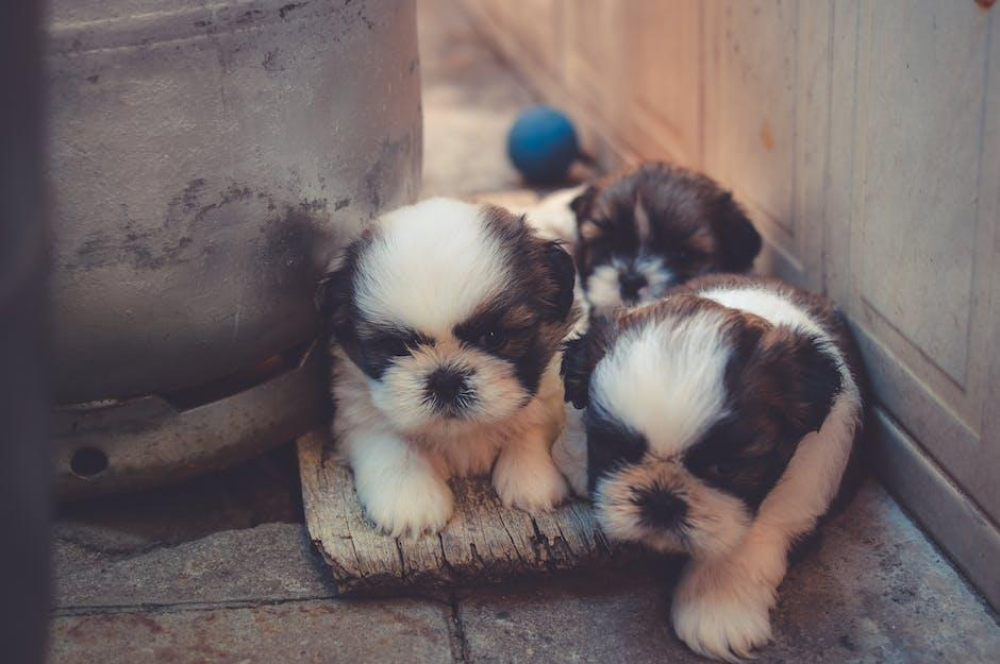
Have you ever wondered if puppies actually smile? While it may seem like our furry friends are grinning from ear to ear, the question of whether puppies truly exhibit the same facial expressions as humans is a topic of scientific inquiry. In this article, we will delve into the complex world of canine behavior and facial expressions to uncover the truth about whether puppies are capable of expressing joy through a smile. Through a critical analysis of existing research and observations, we will aim to shed light on the age-old question: do puppies smile
Table of Contents
- Do Puppies Have the Capability to Smile?
- Understanding Canine Facial Expressions
- The Science Behind Puppy Smiles
- Recognizing and Encouraging Positive Puppy Behavior
- Expert Tips for Building a Happy Relationship with Your Puppy
- Q&A
- In Summary
Do Puppies Have the Capability to Smile?
There is a common belief among dog owners that puppies have the capability to smile, but the question remains: do puppies actually smile? While puppies certainly exhibit emotions through facial expressions and body language, the concept of smiling in the same way that humans do is a bit more complex.
When puppies seem to be “smiling,” they are often displaying a relaxed and happy expression. This can be seen through the upturning of their lips and the brightness in their eyes. However, this expression is not the result of the same emotions and intentions that human smiles convey. Instead, it is a combination of facial muscle relaxation and the natural shape of the puppy’s mouth. So, while puppies may appear to be smiling, it is not the result of the same emotional response that humans have when they smile.
Understanding Canine Facial Expressions
Understanding a puppy’s facial expressions is essential for any dog owner. While dogs may not smile in the same way humans do, they certainly have their ways of expressing happiness and contentment through their facial features. Here are some key aspects to consider when trying to determine whether puppies smile:
1. Eye contact: When a puppy looks at you with soft, relaxed eyes and a slightly open mouth, it’s a sign of trust and affection. This gentle gaze can be interpreted as a “smile” in the canine world.
2. Mouth and tongue: Puppies often pant and wag their tails when they’re happy, which may give the impression of a smile. Additionally, if a puppy’s mouth is slightly open, with the corners turned up, and their tongue is lolling out, it can be a clear indication of joy.
3. Body language: A puppy’s overall body language can also indicate happiness. If they’re relaxed, wagging their tail, and showing other signs of contentment, it’s likely that they are “smiling” in their own way.
In conclusion, while puppies may not smile in the traditional sense, they do have various ways of expressing happiness and joy through their facial expressions and body language. Understanding these cues can help strengthen the bond between you and your furry friend. Always remember to pay attention to your puppy’s individual personality and cues, as not all dogs express themselves in the same way.
The Science Behind Puppy Smiles
When it comes to our furry friends, there’s no denying that their adorable expressions can melt our hearts. One question that often comes up is whether puppies actually smile. The answer might surprise you!
Here’s :
First and foremost, it’s important to understand that dogs, including puppies, communicate their emotions primarily through body language, including facial expressions. While dogs don’t smile in the same way that humans do, they do have certain behaviors and facial expressions that can mimic a smile and convey happiness. These behaviors can include:
- Wagging tail
- Relaxed body posture
- Open, relaxed mouth
- Bright, wide eyes
These cues can give the appearance of a “smile” and are often associated with a happy and content dog. So, while puppies may not technically smile, they can certainly exhibit behaviors and expressions that convey joy and happiness.
Recognizing and Encouraging Positive Puppy Behavior
It’s a common belief that dogs, including puppies, can smile. While puppies may not smile in the same way humans do, they certainly exhibit signs of happiness and contentment through their body language and facial expressions. When a puppy is feeling happy and relaxed, their mouths may appear slightly open, their eyes may soften, and their tails may wag enthusiastically. These are all cues that your puppy is feeling good and is in a positive state of mind.
Recognizing and encouraging positive behavior in puppies is important for their emotional well-being and development. By understanding the signs of happiness in puppies, owners can reinforce and encourage these positive behaviors. Whether it’s through verbal praise, treats, or playtime, acknowledging and rewarding positive puppy behavior can help cement those behaviors and strengthen the bond between the puppy and its owner.
Creating a positive environment for a puppy to thrive is essential for their overall well-being. By recognizing and acknowledging their positive behavior, owners can contribute to their puppy’s emotional and social development, setting a solid foundation for a happy and well-adjusted adulthood. So, while puppies may not smile in the traditional sense, they definitely display signs of happiness and contentment that owners can recognize and encourage.
Expert Tips for Building a Happy Relationship with Your Puppy
Understanding Your Puppy’s Behavior
When it comes to understanding if puppies smile, it’s important to first understand their behavior and body language. While puppies may not smile in the same way that humans do, they do exhibit gestures and expressions that signify happiness and contentment. Here are some key behaviors to look out for:
- Tail wagging: A wagging tail is a classic sign of a happy and excited puppy.
- Relaxed body language: A content puppy will have relaxed muscles, floppy ears, and a soft gaze.
- Playfulness: Puppies express their joy through playful behavior, such as romping around and engaging in games.
While it’s important to observe these behaviors, it’s also crucial to remember that every puppy is unique, and their expressions of happiness may vary. Pay close attention to your puppy’s individual cues to better understand their emotions.
Fostering a Happy Relationship with Your Puppy
To build a happy relationship with your puppy, it’s important to create a positive and nurturing environment. Here are some expert tips to help foster a strong bond with your furry companion:
- Establish a routine: Puppies thrive on routine, so establish consistent meal times, potty breaks, and play sessions.
- Positive reinforcement: Use treats, toys, and praise to reward good behavior and encourage a happy disposition.
- Socialization: Expose your puppy to various experiences, people, and other animals to help them develop confidence and a positive outlook.
By understanding your puppy’s behavior and creating a nurturing environment, you can build a happy and fulfilling relationship with your furry friend. While puppies may not smile in the traditional sense, their happiness and contentment can be expressed through their actions and interactions with you.
Q&A
Q: Do puppies really smile?
A: Yes, puppies do exhibit behaviors that can be interpreted as smiling.
Q: How can you tell if a puppy is smiling?
A: A puppy’s smile is often characterized by a relaxed, open mouth, with the corners of the mouth turned up. They may also exhibit a wagging tail and bright, alert eyes.
Q: What causes a puppy to smile?
A: Puppies typically smile in response to positive experiences, such as playtime, affection, or being rewarded. They may also smile as a form of submission or appeasement in social interactions with other dogs or humans.
Q: Is a puppy’s smile the same as an adult dog’s smile?
A: While the basic behaviors associated with a smile are similar, puppies may display their smiles more frequently and with less inhibition than adult dogs. Puppies are also more likely to smile in response to play and social interactions.
Q: Can a puppy’s smile indicate their emotional state?
A: Yes, a puppy’s smile can be a sign of contentment, happiness, and relaxation. It may also indicate a desire for social interaction or play.
Q: Are there instances when a puppy might not smile?
A: Yes, puppies may not smile if they are feeling ill, anxious, fearful, or in pain. In these cases, it is important to pay attention to their overall body language and behavior to assess their well-being.
In Summary
In conclusion, the evidence suggests that puppies do indeed exhibit behaviors that can be interpreted as smiles. While it may not be the same as a human smile, puppies have their own way of expressing happiness and contentment through various facial and body cues. Understanding these cues can help us better communicate and bond with our canine companions. As our understanding of animal behavior continues to grow, it is clear that there is still much to learn about the complex world of non-verbal communication in our furry friends. So, the next time you see your puppy looking up at you with a seemingly happy expression, rest assured that it just might be their way of saying “I’m happy to see you!”.

