



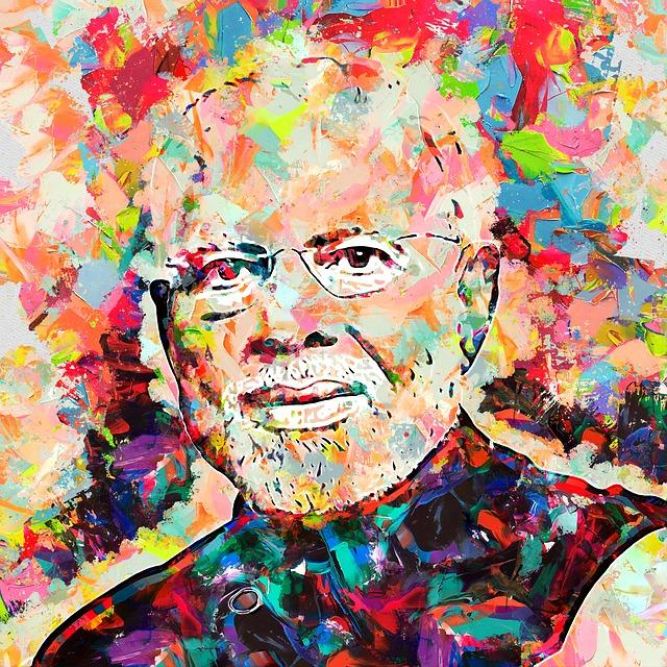
As the calendar turns to another year, the Gujarati community begins their celebration of the traditional New Year. The Gujarati New Year, also known as Bestu Varas or Saptakoshi, is an occasion marked by joy and reflection, as individuals and families come together to welcome new beginnings and set intentions for the year ahead. Rooted in ancient traditions and customs, the Gujarati New Year provides a time for spiritual renewal and cultural connection. In this article, we will explore the significance of this special day and the customs and rituals that make it a meaningful and joyous occasion for the Gujarati community.
Table of Contents
- Celebrating Gujarati New Year: Traditions and Rituals
- The Significance of Gujarati New Year: Cultural and Historical Context
- Embracing the Spirit of Navratri and Diwali in Gujarati New Year Celebrations
- Delicious Gujarati New Year Foods and Recipes to Try at Home
- Q&A
- Closing Remarks
Celebrating Gujarati New Year: Traditions and Rituals
Gujarati New Year, also known as Bestu Varas, is a time of great celebration and joy for the Gujarati community. It marks the beginning of a new year according to the Hindu calendar. The day is a time for families to come together, reflect on the past year, and look forward to the opportunities and challenges that lie ahead. Here are some traditions and rituals that are commonly observed during this auspicious occasion:
- Diwali: The Gujarati New Year typically falls on the day after Diwali, the festival of lights. Diwali is a time of cleaning, decorating, and lighting lamps to welcome the goddess Lakshmi into the home. It is a time of prosperity and good fortune for the year ahead.
- Offerings: On the day of Bestu Varas, it is customary to make offerings to the gods and seek their blessings for a prosperous year. These offerings can include flowers, fruits, and traditional sweets.
- Community gatherings: Gujarati New Year is also a time for community gatherings and celebrations. Families and friends come together to exchange good wishes, share meals, and enjoy traditional music and dance.
Overall, Gujarati New Year is a time of renewal, reflection, and community. It is a time to express gratitude for the past year and set intentions for the year ahead. Whether it’s through traditional rituals or modern celebrations, the spirit of hope and good fortune is at the heart of this joyous occasion.
The Significance of Gujarati New Year: Cultural and Historical Context
As the Gujarati community gears up to celebrate their New Year, it’s important to understand the cultural and historical significance of this event. The Gujarati New Year, also known as Bestu Varas or Varsha Pratipada, marks the first day of the Hindu calendar month of Kartik. It holds great importance for the Gujarati people, symbolizing new beginnings, fresh starts, and the triumph of good over evil.
From a historical perspective, the Gujarati New Year dates back to ancient times and is rooted in the rich traditions and customs of the region. The festival is celebrated with great fervor, with families coming together to partake in rituals, prayers, and feasts. It’s a time for reflection, renewal, and gratitude, as well as an opportunity to honor the cultural heritage and values that have been passed down through generations.
For the Gujarati community, the New Year is a time to pay homage to their ancestors, seek blessings for prosperity and happiness, and reaffirm their commitment to their traditions and beliefs. It’s a time to embrace the teachings of the past and look forward to the future with hope and optimism. This celebration serves as a reminder of the resilience and unity of the Gujarati people, as well as a testament to the enduring power of their cultural identity.
Embracing the Spirit of Navratri and Diwali in Gujarati New Year Celebrations
Navratri and Diwali, along with the Gujarati New Year, hold special significance in our culture and traditions. These festive occasions are a time of joy, togetherness, and celebration, where we come together to embrace the spirit of positivity, prosperity, and new beginnings. As we welcome the Gujarati New Year, it is a time for us to reflect on the past and look forward to the future with optimism and enthusiasm.
During this auspicious time, we honor the goddess Durga during Navratri, seeking her blessings for strength and victory over adversity. The vibrant and energetic Garba and Dandiya Raas performances light up the nights, filling the air with the joy of dance and music. As we transition into Diwali, the festival of lights, we illuminate our homes and hearts with diyas, fireworks, and the warmth of love and unity.
As we come together to celebrate the Gujarati New Year, let us embrace the traditions and customs that have been passed down through generations. Let us adorn our homes with colorful rangoli, exchange heartfelt greetings and sweets, and partake in the festive feasts that symbolize abundance and harmony.
Delicious Gujarati New Year Foods and Recipes to Try at Home
Gujarati New Year, also known as Bestu Varas, is celebrated with much joy and fervor in Gujarat, India. A big part of this celebration is, of course, the delicious and traditional foods that are prepared during this time. If you want to bring some festive cheer into your home, here are some Gujarati New Year foods and recipes that you can try making yourself!
Undhiyu
A traditional mixed vegetable dish that is a must-have during the Gujarati New Year. It is made using a variety of winter vegetables, spices, and sometimes even dumplings. Undhiyu is a flavorful and hearty dish that is sure to be a hit at your New Year’s celebration.
Mohanthal
A sweet treat that is often made during the Gujarati New Year, Mohanthal is a rich and decadent dessert made from besan (gram flour), ghee, and sugar. It is flavored with cardamom and garnished with nuts, making it a delightful way to end your festive meal.
| Undhiyu | Mixed vegetable dish with winter vegetables and spices |
| Mohanthal | Besan-based dessert flavored with cardamom and garnished with nuts |
Q&A
Q: What is the significance of the Gujarati New Year?
A: The Gujarati New Year, also known as Bestu Varas, marks the beginning of the new year in the Gujarati calendar. It is a time to celebrate new beginnings and set positive intentions for the year ahead.
Q: When is the Gujarati New Year typically celebrated?
A: The Gujarati New Year typically falls in the month of October or November, depending on the lunar calendar. It is celebrated on the day after Diwali, the festival of lights.
Q: How do people celebrate the Gujarati New Year?
A: People celebrate the Gujarati New Year by performing traditional rituals, exchanging greetings and good wishes, and participating in festive events. It is a time for families to come together and partake in joyous celebrations.
Q: What are some common customs and traditions associated with the Gujarati New Year?
A: Some common customs and traditions associated with the Gujarati New Year include cleaning and decorating homes, visiting temples to seek blessings, preparing special foods and sweets, and exchanging gifts with loved ones.
Q: What are some traditional foods eaten during the Gujarati New Year celebrations?
A: Traditional foods eaten during the Gujarati New Year celebrations include sweets such as jalebi and fafda, as well as savory snacks like chakri and mathiya. These delicious treats are enjoyed as a part of the festive celebrations.
Q: What are some common well wishes and greetings exchanged during the Gujarati New Year?
A: Some common well wishes and greetings exchanged during the Gujarati New Year include “Saal Mubarak” (Happy New Year) and “Nutan Varshabhinandan” (Greetings for the New Year). These expressions convey good wishes for a prosperous and joyful year ahead.
Closing Remarks
In conclusion, the Gujarati new year, also known as Bestu Varas, is a time of great joy and celebration for the people of Gujarat. It is not only a time to welcome in the coming year, but also to reflect on the past and set intentions for the future. The vibrant traditions and rituals associated with this holiday hold deep cultural and spiritual significance for the Gujarati community, and it is a time for families and friends to come together in unity and warmth.
As we bid farewell to the old and embrace the new, let us carry with us the spirit of renewal and hope that comes with the Gujarati new year. May the coming year bring peace, prosperity, and happiness to all. Happy New Year!

