



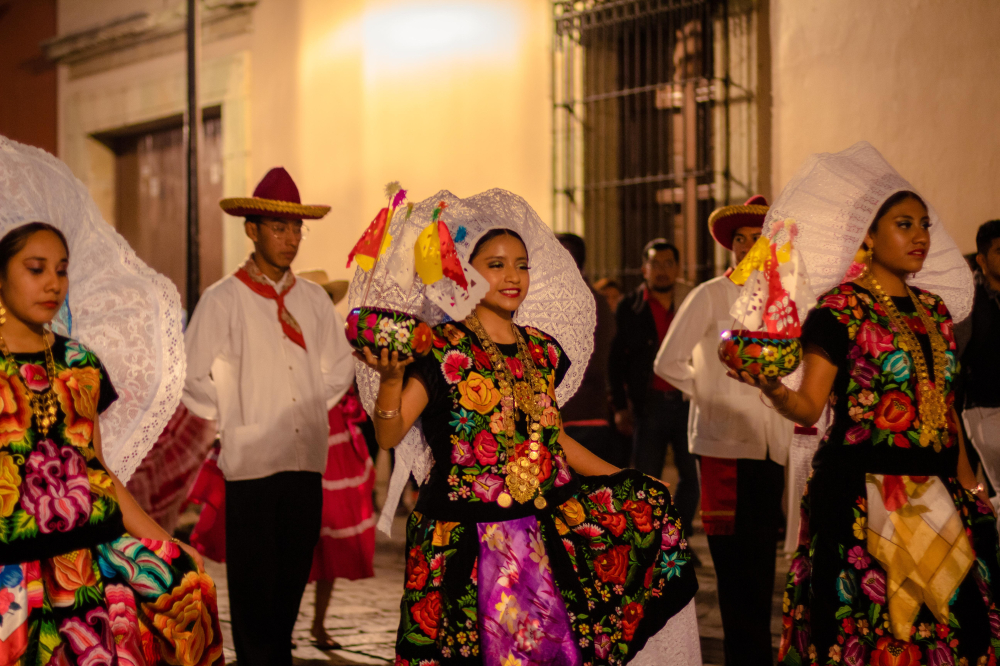
Oaxaqueño, derived from the state of Oaxaca in southern Mexico, is a term used to describe anything or anyone from this culturally rich and diverse region. From its traditional cuisine to its vibrant art and colorful traditions, Oaxaqueño represents the essence of a land deeply rooted in history and tradition. In this article, we will explore the many facets of Oaxaqueño culture and what makes it so unique and special.
Table of Contents
- The History and Cultural Significance of Oaxaqueño Cuisine
- Traditional Ingredients and Techniques Used in Oaxaqueño Cooking
- Recommended Oaxaqueño Dishes to Try
- Tips for Exploring Oaxaqueño Cuisine in Oaxaca City
- Q&A
- In Retrospect
The History and Cultural Significance of Oaxaqueño Cuisine
Oaxaqueño cuisine, also known as Oaxacan cuisine, is a rich and vibrant culinary tradition that has deeply rooted historical and cultural significance. The region of Oaxaca, located in southern Mexico, is renowned for its diverse and flavorful dishes that showcase the area’s indigenous heritage and colonial influences. Oaxaqueño cuisine is characterized by its use of traditional ingredients, such as corn, beans, chocolate, and a wide variety of chilies, as well as unique cooking techniques that have been passed down through generations.
The history of Oaxaqueño cuisine can be traced back thousands of years to the indigenous civilizations that inhabited the region. The Zapotec and Mixtec peoples, who were among the earliest inhabitants of Oaxaca, cultivated a wide range of crops and domesticated animals, laying the foundation for the region’s rich culinary tradition. The arrival of the Spanish in the 16th century brought new ingredients, such as pork, beef, and dairy products, which were incorporated into traditional Oaxacan dishes, creating a unique fusion of indigenous and European flavors.
Traditional Ingredients and Techniques Used in Oaxaqueño Cooking
The cuisine of Oaxaca, known as Oaxaqueño cooking, is steeped in tradition and rich in flavor. The use of traditional ingredients and culinary techniques has been passed down through generations, resulting in a diverse and vibrant culinary heritage.
Some of the traditional ingredients used in Oaxaqueño cooking include:
- Mole: A rich, complex sauce made from a blend of chiles, spices, and other ingredients
- Maize: A staple crop in Oaxaca, used in various forms such as tortillas, tamales, and pozole
- Chiles: Oaxaca is known for its wide variety of chiles, which add heat and depth to many dishes
- Hierbas de olor: Aromatic herbs such as epazote, hoja santa, and avocado leaves, used to infuse dishes with unique flavors
In addition to the unique ingredients, Oaxaqueño cooking also relies on traditional culinary techniques such as:
- Molcajete: A traditional mortar and pestle made from volcanic rock, used to grind spices and make salsas
- Comal: A flat griddle used to cook tortillas and roast chiles
- Barbacoa: A traditional method of slow-cooking meat in an underground pit, resulting in tender and flavorful dishes
Recommended Oaxaqueño Dishes to Try
When visiting Oaxaca, be sure to sample some of the delicious traditional dishes that showcase the rich culinary heritage of the region. Here are a few Oaxaqueño dishes that you definitely shouldn’t miss:
Mole Negro
This iconic Oaxacan dish is a rich, dark sauce made with a blend of chilis, chocolate, spices, and more. It’s typically served over chicken or turkey, and is a true labor of love to make. The complex flavors of mole negro are sure to tantalize your taste buds.
Tlayudas
Tlayudas are often referred to as the “Oaxacan pizza” due to their large, thin, crispy tortilla base. They are typically topped with refried beans, cheese, meat, and a variety of other toppings. This dish is a must-try for anyone looking to experience the diverse flavors of Oaxacan street food.
Chapulines
If you’re feeling adventurous, give chapulines a try. These are toasted grasshoppers seasoned with garlic, lime, and salt. They are a popular snack in Oaxaca and are surprisingly delicious!
Tips for Exploring Oaxaqueño Cuisine in Oaxaca City
When in Oaxaca City, exploring the rich and diverse Oaxaqueño cuisine is a must-do experience. Known for its traditional flavors and unique ingredients, Oaxaqueño cuisine offers a wide array of delicious dishes that are a true reflection of the region’s rich culinary heritage. Here are some tips to help you make the most of your food exploration in Oaxaca City:
- Try the street food: Oaxaca City is famous for its vibrant street food scene. Don’t miss the opportunity to try local delicacies such as tlayudas, memelas, and tasajo from the various street vendors spread across the city.
- Visit local markets: Explore the bustling markets of Oaxaca City, such as Mercado 20 de Noviembre and Mercado Benito Juárez, to indulge in a wide range of Oaxacan flavors. From mole pastes to chapulines (grasshoppers), the markets offer a unique culinary experience.
- Take a cooking class: Immerse yourself in the Oaxacan culinary tradition by taking a cooking class. Learn to prepare traditional dishes like mole, tamales, and Oaxacan-style chocolate from local chefs and gain insights into the cultural significance of each dish.
By following these tips, you’ll be able to savor the authentic flavors of Oaxaqueño cuisine and gain a deeper appreciation for the culinary heritage of Oaxaca City.
Q&A
Q: What does “oaxaqueño” mean?
A: “Oaxaqueño” is a term used to refer to people or things from the Mexican state of Oaxaca.
Q: What are some typical characteristics of Oaxaqueño culture?
A: Oaxaqueño culture is known for its rich culinary traditions, vibrant handicrafts, intricate textiles, and colorful festivals. The state is also home to a rich indigenous heritage and diverse languages.
Q: What are some famous dishes from Oaxaca?
A: Oaxaca is known for its unique cuisine, including dishes like mole, tlayudas, tamales, and chapulines (edible grasshoppers).
Q: What are some popular attractions in Oaxaca?
A: Oaxaca is home to many popular attractions, including the ancient ruins of Monte Albán, the stunning Hierve el Agua petrified waterfalls, and the vibrant markets of Oaxaca City.
Q: What is the significance of mezcal in Oaxaqueño culture?
A: Mezcal holds great cultural and economic significance in Oaxaca, as it is a traditional distilled spirit made from the agave plant. It is deeply intertwined with local traditions and rituals.
Q: What are some traditional crafts from Oaxaca?
A: Oaxaca is known for its intricate pottery, vibrant textiles, and intricately carved wooden alebrijes, which are fantastical figurines.
Q: How has Oaxaqueño culture influenced the rest of Mexico?
A: Oaxaqueño culture has had a significant impact on Mexican cuisine, arts, and crafts, as well as on the preservation and celebration of indigenous traditions. Its influence can be seen throughout the country.
In Retrospect
In conclusion, Oaxaqueño is a term used to describe someone or something from the state of Oaxaca, Mexico. Whether referring to the people, culture, or cuisine, Oaxaqueño represents a rich and diverse heritage that is celebrated and cherished by many. The influence of Oaxaqueño can be seen and felt in various aspects of Mexican culture and beyond, making it an important and valuable part of the country’s identity. Through its unique traditions, delicious food, and vibrant art, Oaxaqueño continues to captivate the world and leave a lasting impact.

