



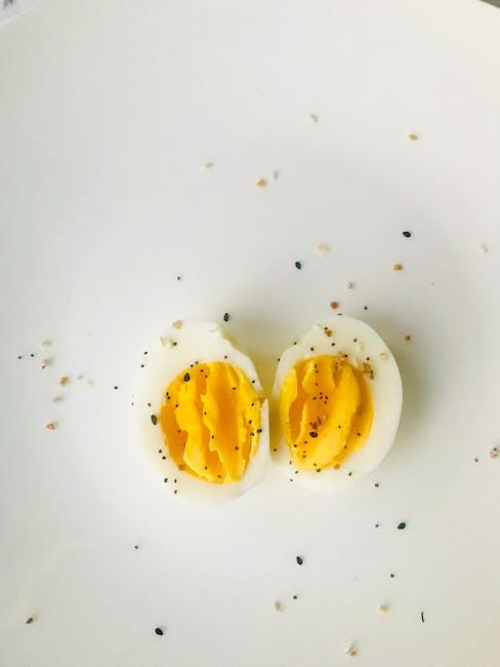
Hey there foodies, have you ever heard of balut egg? This famous Filipino delicacy is definitely not for the faint of heart, but it’s beloved by many. If you’re curious to learn more about this unique culinary experience, you’ve come to the right place. Get ready to dive into the world of balut egg and discover what makes it a must-try for adventurous eaters.
Table of Contents
- Introduction to Balut Egg: What is it and Where did it come from?
- The Process of Making Balut Egg: A Step-by-Step Guide
- Tasting Balut Egg: What to Expect and How to Enjoy it
- Health Benefits and Considerations of Eating Balut Egg
- Creative Balut Egg Recipes to Try at Home
- Q&A
- Concluding Remarks
Introduction to Balut Egg: What is it and Where did it come from?
Balut egg is a unique delicacy that originates from the Philippines and is also popular in other Southeast Asian countries. It is a fertilized duck egg that is boiled and eaten directly from the shell. This unusual dish is a staple in Filipino cuisine and is often enjoyed as a snack or paired with beer.
The practice of eating balut egg dates back to the early 17th century when it was introduced by Chinese immigrants in the Philippines. Over time, it has become deeply ingrained in the local culture and is considered a traditional food with various regional variations. Despite its unusual appearance, balut egg is highly regarded for its rich flavor and is often touted for its supposed aphrodisiac properties.
– Balut egg is a fertilized duck egg that is boiled and consumed directly from the shell.
– It is a popular delicacy in the Philippines and other Southeast Asian countries.
– The practice of eating balut egg dates back to the 17th century, when it was introduced by Chinese immigrants in the Philippines.
The Process of Making Balut Egg: A Step-by-Step Guide
When it comes to unique culinary delicacies, balut eggs are at the top of the list. This Filipino delicacy is essentially a fertilized duck egg that is boiled and eaten from the shell. The process of making balut eggs involves a series of steps that have been passed down through generations, resulting in a delicious and nutritious snack that is popular in many Southeast Asian countries.
Step 1: Selection of Duck Eggs
The first step in making balut eggs is the careful selection of duck eggs. The eggs are typically fertilized for about six to eight days before they are deemed ready for boiling. It’s important to choose eggs that are fresh and free from any cracks or damage.
Step 2: Incubation
After the eggs are selected, they are placed in a warm and humid environment for about 14 to 18 days. During this time, the embryo inside the egg develops, and the distinctive features of the balut begin to form.
Tasting Balut Egg: What to Expect and How to Enjoy it
Are you ready to take your taste buds on a unique culinary adventure? Balut egg, a popular street food in Southeast Asia, is not for the faint of heart. This delicacy consists of a fertilized duck embryo that has been boiled and eaten from the shell. If you’re feeling adventurous and want to try something new, here’s what to expect and how to enjoy this exotic treat.
When you crack open the shell of a balut egg, you’ll be greeted by a savory aroma and a sight that may be a bit startling at first. Inside, you’ll find a partially developed duck embryo surrounded by a flavorful broth. The taste and texture of balut egg can vary depending on how far along the embryo is in its development. Some people describe it as being similar to a hard-boiled egg with a richer, meatier flavor. Others enjoy the combination of textures, with the yolk being creamy and the embryo providing a chewy contrast.
To fully enjoy the experience of eating balut egg, it’s important to approach it with an open mind and a sense of adventure. Embrace the unique flavors and textures, and savor the cultural significance of this traditional dish. Whether you’re trying balut egg for the first time or are a seasoned aficionado, each bite is sure to provide a one-of-a-kind dining experience. So, grab a balut egg and get ready to embark on a delicious journey to the streets of Southeast Asia.
Health Benefits and Considerations of Eating Balut Egg
When it comes to exotic delicacies, balut egg is a unique choice that offers a range of health benefits. This fertilized duck egg is a popular snack in many Southeast Asian countries and is known for its nutritional value. Here are some health benefits and considerations to keep in mind when consuming balut egg:
- High in Protein: Balut egg is a rich source of protein, which is essential for muscle growth and repair.
- Rich in Vitamins and Minerals: It contains vitamins A, B, C, and E, as well as essential minerals such as calcium, iron, and potassium.
- Good for Bone Health: The calcium content in balut egg promotes strong and healthy bones.
- Boosts Energy: Eating balut egg can provide a quick energy boost due to its high protein and nutrient content.
While balut egg offers numerous health benefits, there are also some considerations to take into account. The high cholesterol content in balut egg may not be suitable for individuals with heart conditions or high cholesterol levels. Additionally, the unique taste and texture of balut egg may not appeal to everyone. It’s important to consume it in moderation and be aware of any potential allergens.
Creative Balut Egg Recipes to Try at Home
If you’re looking to get creative in the kitchen, balut eggs are an excellent ingredient to experiment with. Despite being a bit intimidating to some, balut eggs can be used in a variety of delicious recipes that will surprise and delight your taste buds. Whether you’re a balut egg connoisseur or trying them for the first time, these unique recipes are sure to impress.
From savory dishes to indulgent desserts, there are countless ways to incorporate balut eggs into your cooking. Try making balut egg omelettes for a protein-packed breakfast, or whip up a batch of balut egg salad for a light and refreshing lunch. For dinner, impress your guests with balut egg adobo, a Filipino favorite that combines tender balut eggs with tangy and savory flavors. And for a sweet treat, indulge in balut egg custard or balut egg flan for a creamy and decadent dessert.
Q&A
Q: What is balut egg?
A: Balut egg is a developing duck embryo that is boiled and eaten as a snack in many Asian countries, particularly in the Philippines.
Q: What does balut egg taste like?
A: The taste and texture of balut egg can vary, but it is often described as being similar to a hard-boiled egg with a slightly gamey flavor.
Q: How is balut egg prepared?
A: Balut eggs are typically boiled for around 20-30 minutes until the embryo inside is fully cooked. It is then usually seasoned with salt, vinegar, or chili.
Q: Is balut egg considered a delicacy?
A: Yes, in many Asian countries, balut egg is considered a delicacy and is often enjoyed as a popular street food.
Q: What are the nutritional benefits of balut egg?
A: Balut egg is high in protein and also contains essential vitamins and minerals such as calcium, iron, and vitamin A.
Q: Are there any health concerns with eating balut egg?
A: Some people may have concerns about eating balut egg due to the high cholesterol content, as well as the fact that it is a partially developed embryo. However, it is a popular and culturally significant food in many Asian countries.
Concluding Remarks
So there you have it, the fascinating and polarizing world of balut eggs. Whether you’re a fan of this unique street food or cringe at the thought of it, there’s no denying its cultural significance and the culinary adventure it offers. Whether you decide to give balut a try or not, it’s clear that this delicacy has left its mark on Filipino cuisine and continues to spark curiosity and debate around the world. Whatever your thoughts may be, it’s always interesting to explore the diverse and varied foods that make up our global culinary landscape. We hope this article has given you some insight into the curious and controversial world of balut eggs. Thanks for reading!
Auto Amazon Links: No products found.

