



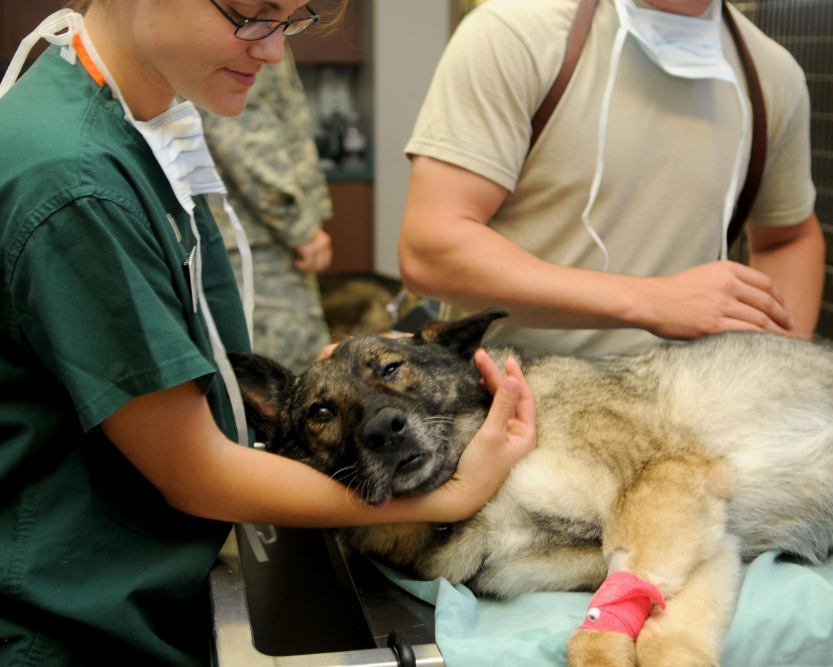
As pet ownership continues to rise, the demand for comprehensive veterinary care plans is more crucial than ever. These tailored care plans are designed to provide personalized and preventative care for pets, ensuring their overall health and well-being. In this article, we will explore the essential components of veterinary care plans, the benefits they offer for both pets and their owners, and the importance of integrating these plans into routine pet healthcare. By understanding the significance of veterinary care plans, pet owners can make informed decisions about their pet’s long-term care and ensure a happier and healthier life for their beloved companions.
Table of Contents
- Understanding the Importance of Veterinary Care Plans
- Key Components of an Effective Veterinary Care Plan
- Tailoring Veterinary Care Plans to Individual Pet Needs
- Implementing Preventative Measures in Veterinary Care Plans
- The Role of Regular Check-ups and Wellness Exams in Veterinary Care Plans
- Q&A
- In Summary
Understanding the Importance of Veterinary Care Plans
Veterinary care plans play a crucial role in ensuring the health and well-being of our beloved pets. These personalized plans are designed by veterinarians to address the specific needs of each individual animal, taking into account factors such as age, breed, and existing health conditions. By enrolling in a veterinary care plan, pet owners can provide their furry companions with the preventive care and medical attention they need to lead long, healthy lives.
One of the key benefits of veterinary care plans is the emphasis on preventive care. Regular wellness exams, vaccinations, and parasite prevention are essential components of these plans, helping to catch potential health issues early and prevent the development of serious conditions. Additionally, veterinary care plans often include discounts on a wide range of services and products, making it more affordable for pet owners to provide the necessary care for their pets. By investing in a veterinary care plan, pet owners can also enjoy peace of mind knowing that their pets are receiving the best possible care, tailored to their specific needs.
Overall, veterinary care plans are an essential aspect of responsible pet ownership. By enrolling in a plan, pet owners can ensure that their animals receive the comprehensive care they need to stay healthy and happy. From preventive services to discounts on medical treatments, these plans provide an all-encompassing approach to pet healthcare that benefits both the pet and their owner.
Key Components of an Effective Veterinary Care Plan
Effective veterinary care plans are essential for ensuring the health and well-being of pets. A well-designed care plan not only addresses the immediate needs of the animal but also takes into account their long-term health and preventive measures. Here are the key components that make up an effective veterinary care plan:
1. Comprehensive Physical Examinations:
Regular physical examinations are crucial for identifying any potential health issues in pets. These exams should cover all aspects of the animal’s health, including their weight, mobility, dental health, and any specific concerns that the pet owner may have.
2. Vaccinations and Preventive Medications:
Vaccinations and preventive medications play a vital role in protecting pets from common diseases and parasites. A thorough care plan should include a schedule for regular vaccinations and preventive medications tailored to the specific needs of the animal.
3. Nutritional Guidance:
Proper nutrition is essential for the overall health and well-being of pets. A veterinary care plan should include personalized nutritional guidance to ensure that the pet is receiving the right balance of nutrients for their age, breed, and any underlying health conditions.
4. Dental Care:
Regular dental care is often overlooked but is crucial for maintaining a pet’s overall health. A comprehensive care plan should include regular dental check-ups, cleanings, and guidance on at-home dental care practices.
5. Behavior and Training Support:
Behavioral issues can significantly impact a pet’s quality of life. A well-rounded care plan should include support and guidance for addressing any behavioral concerns, as well as training recommendations to foster a healthy and positive relationship between the pet and their owner.
By incorporating these key components into a veterinary care plan, pet owners can provide their beloved animals with the comprehensive care they need to live long, healthy, and fulfilling lives.
Tailoring Veterinary Care Plans to Individual Pet Needs
When it comes to providing the best possible care for our pets, one size does not fit all. Tailoring veterinary care plans to meet the individual needs of each pet is essential for ensuring their overall health and well-being. Every pet is unique, with their own specific health concerns, dietary requirements, and lifestyle factors. By customizing care plans to address these specific needs, pet owners can help their furry friends live long, healthy lives.
One of the key factors in tailoring veterinary care plans is understanding the specific health needs of each pet. This may involve conducting thorough health assessments and diagnostic tests to identify any underlying health issues or potential risk factors. By gaining a clear understanding of a pet’s health status, veterinarians can then develop personalized care plans that address these specific needs. From medication schedules to dietary recommendations, these tailored care plans are designed to optimize a pet’s health and wellness.
In addition to addressing health concerns, personalized care plans also take into account a pet’s lifestyle factors. This may include their age, activity level, and unique behavioral traits. By considering these factors, veterinarians can develop care plans that are not only effective but also practical for pet owners to implement on a daily basis. This may involve providing guidance on exercise routines, socialization opportunities, and other lifestyle modifications that can positively impact a pet’s overall well-being. By tailoring care plans to individual pet needs, veterinarians can help pet owners provide the best possible care for their furry companions.
| Pet’s Health Needs | Diagnostic tests and health assessments |
| Lifestyle Factors | Age, activity level, and behavioral traits |
Implementing Preventative Measures in Veterinary Care Plans
is crucial for maintaining the health and well-being of our beloved pets. By taking proactive steps to prevent illness and injury, pet owners can ensure their furry friends live long and healthy lives. There are several key preventative measures that should be included in every veterinary care plan.
First and foremost, regular vaccinations are essential for preventing a wide range of diseases in pets. Vaccines help to build immunity against common illnesses such as rabies, distemper, and parvovirus. It’s important for pet owners to work closely with their veterinarian to develop a vaccine schedule that is tailored to their pet’s specific needs.
In addition to vaccinations, regular wellness exams are an important part of any veterinary care plan. During these exams, veterinarians can detect early signs of illness or disease and provide guidance on nutrition, exercise, and overall pet care. Wellness exams also present an opportunity for pet owners to discuss any concerns they may have about their pet’s health. By incorporating these preventative measures into a comprehensive veterinary care plan, pet owners can take proactive steps to ensure the long-term health and well-being of their beloved animals.
The Role of Regular Check-ups and Wellness Exams in Veterinary Care Plans
Regular check-ups and wellness exams play a crucial role in the overall health and well-being of our beloved pets. A comprehensive veterinary care plan should include these routine visits to ensure early detection of any potential health concerns and to provide proactive preventative care. These check-ups enable veterinarians to monitor your pet’s health, detect any signs of illness or disease, and provide appropriate medical interventions when necessary.
During regular check-ups, veterinarians will conduct a thorough physical examination of your pet, including assessing their weight, body condition, dental health, and overall vitality. These exams also provide an opportunity for pet owners to discuss any concerns, observations, or changes in their pet’s behavior or habits. Additionally, routine blood work, fecal tests, and other diagnostic screenings may be recommended based on your pet’s age, breed, and lifestyle. By incorporating regular check-ups and wellness exams into your pet’s veterinary care plan, you are taking a proactive approach to ensuring their long-term health and happiness.
It’s important to remember that regular check-ups and wellness exams are not only about addressing current health issues but also about preventing future problems. By staying on top of your pet’s routine healthcare needs, you can help them live a longer, healthier life. So, make sure to prioritize these essential veterinary care services to provide the best possible care for your furry companions.
Q&A
Q: What are veterinary care plans?
A: Veterinary care plans are comprehensive documents outlining the recommended healthcare services and treatments for a pet over a designated period of time. These plans are typically developed by veterinarians to address the specific needs of individual animals.
Q: What is included in a veterinary care plan?
A: A veterinary care plan often includes routine wellness exams, vaccinations, parasite control, dental care, nutrition recommendations, and any necessary diagnostic testing or medical treatments. It may also outline preventive measures and lifestyle adjustments for the pet’s overall well-being.
Q: Why are veterinary care plans important?
A: Veterinary care plans are important because they provide a proactive approach to healthcare for pets, ensuring that they receive the necessary preventive care and treatments to maintain their health and quality of life. Additionally, these plans can help pet owners budget for and schedule necessary healthcare services.
Q: How are veterinary care plans developed?
A: Veterinary care plans are developed based on a thorough evaluation of the pet’s medical history, current health status, lifestyle, and risk factors. The veterinarian will consider the pet’s age, breed, and any underlying health conditions to customize the plan to meet the individual pet’s needs.
Q: What are the benefits of adhering to a veterinary care plan?
A: Adhering to a veterinary care plan can lead to early detection and management of health issues, which can improve the pet’s prognosis and reduce the overall cost of healthcare over time. It also fosters a strong relationship between pet owners and their veterinarian, promoting open communication and trust in the healthcare decisions for the pet.
In Summary
In conclusion, veterinary care plans are essential for maintaining the health and well-being of our animal companions. By working closely with a trusted veterinarian to develop and implement a personalized care plan, pet owners can ensure that their furry friends receive the proper preventive care, timely treatment for any health issues, and ongoing support for their overall wellness. With the guidance of a veterinary professional, pet owners can stay informed and proactive in managing their pets’ health, ultimately contributing to a longer and happier life for their beloved animals. Prioritizing a comprehensive veterinary care plan is an investment in the long-term health and happiness of our pets, and a responsibility that should not be taken lightly. It is our hope that this article has shed light on the importance of veterinary care plans and inspired pet owners to take an active role in prioritizing the well-being of their pets.

