



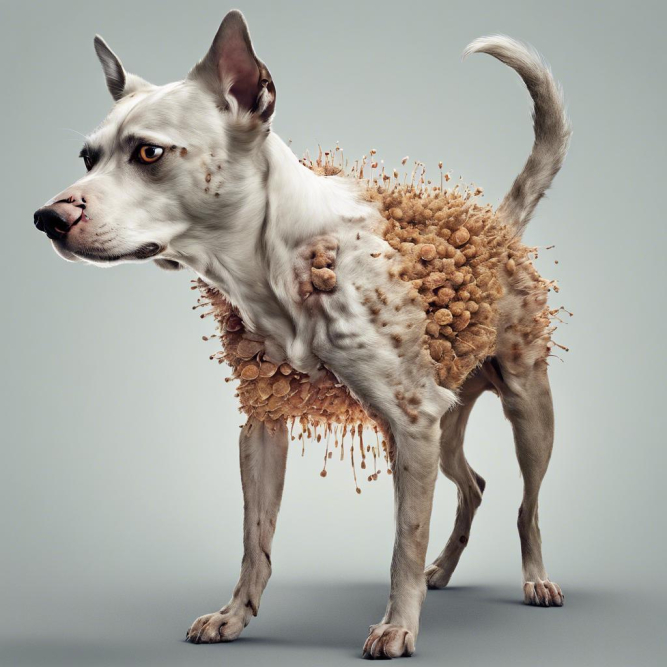
The presence of wart-like growths on dogs is a common concern for pet owners and veterinarians alike. These growths, often referred to as “dog warts,” can vary in appearance and size, and are frequently associated with a range of different skin conditions. In this article, we will explore the characteristics, causes, and treatment options for wart-like growths on dogs, drawing upon current research and veterinary expertise to provide a comprehensive understanding of this often misunderstood phenomenon.
Table of Contents
- Possible Causes of Wart-Like Growths on Dogs
- Identifying Different Types of Skin Growth in Dogs
- Diagnosis and Treatment Options for Canine Skin Growths
- Surgical Removal of Wart-Like Growths on Dogs
- Non-Surgical Treatment Options for Canine Skin Growths
- Monitoring and Managing Wart-Like Growths on Dogs
- Preventative Measures for Canine Skin Growths
- Consulting a Veterinarian for Wart-Like Growths on Dogs
- Q&A
- In Retrospect
Possible Causes of Wart-Like Growths on Dogs
Wart-like growths on dogs are a common concern for many pet owners. These growths can be caused by a variety of factors, ranging from benign skin tumors to more serious conditions. It’s important to closely monitor any new growths on your dog and consult with a veterinarian to determine the cause and appropriate course of action. Here are some :
-
Canine Papilloma Virus (CPV): CPV is a contagious virus that can cause wart-like growths on a dog’s skin or mucous membranes. These growths are typically small, round, and flesh-colored, and may appear in clusters.
-
Sebaceous Gland Hyperplasia: This condition occurs when the sebaceous glands in the skin become overactive, leading to the formation of benign, wart-like growths. These growths are typically raised, smooth, and may have a waxy appearance.
-
Mast Cell Tumors: Mast cell tumors are a form of skin cancer that can present as wart-like growths on a dog’s skin. These growths may vary in appearance, and can be itchy or painful for the dog.
It’s important to note that the above list is not exhaustive, and there are other potential causes of wart-like growths on dogs. If you notice any new growths on your dog, it’s important to have them evaluated by a veterinarian to determine the underlying cause and appropriate treatment. Regular skin checks and veterinary exams can help catch any potential issues early and ensure the health and well-being of your furry friend.
Identifying Different Types of Skin Growth in Dogs
Skin growths on a dog are not uncommon, and it’s essential to be able to identify different types to ensure your pet’s well-being. One common type of skin growth is a wart, which may appear as a small, raised bump on the skin. Warts in dogs are often harmless, but it’s crucial to have them examined by a veterinarian to rule out any potential health concerns. Warts can develop on any part of the body and may vary in size and appearance.
Another type of skin growth to look out for is a skin tag. These are small, soft, skin-colored growths that often appear on areas where the skin creases, such as the armpits, groin, or neck. Skin tags are generally benign and don’t cause any discomfort to the dog. However, if the skin tag becomes irritated or inflamed, it’s essential to have it checked out by a vet to ensure there are no underlying issues.
Sebaceous cysts are another common type of skin growth in dogs. These are typically firm, round lumps filled with a cheesy or oily material. They can develop under the skin and may grow over time. While sebaceous cysts are usually harmless, they can become infected if they rupture or are repeatedly irritated. It’s essential to have a vet assess any new or changing skin growths to determine the best course of action for your dog’s health.
Diagnosis and Treatment Options for Canine Skin Growths
Canine skin growths, such as wart-like lumps, can be a cause of concern for dog owners. It’s important to understand the diagnosis and treatment options available for these skin growths to ensure your pet’s health and well-being. Here’s what you need to know about identifying and managing canine skin growths.
Diagnosis:
When you notice a wart-like growth on your dog’s skin, it’s crucial to have it examined by a veterinarian. The veterinarian will conduct a physical examination and may recommend additional tests, such as a skin biopsy, to determine the nature of the growth. Some common diagnoses for canine skin growths include warts, skin tags, cysts, and tumors. Identifying the specific type of skin growth is essential for determining the appropriate treatment plan.
Treatment Options:
The treatment for canine skin growths will depend on the diagnosis and the nature of the growth. In some cases, no treatment may be necessary if the growth is benign and not causing any discomfort to the dog. However, if the growth is malignant or causing discomfort, the veterinarian may recommend the following treatment options:
- Surgical removal of the growth
- Cryotherapy (freezing the growth off)
- Laser therapy
- Topical treatments
- Medications
The best course of action for treating a canine skin growth will be determined by the veterinarian based on the specific diagnosis and the overall health of the dog. It’s essential to follow the veterinarian’s recommendations for the best outcome for your pet.
Surgical Removal of Wart-Like Growths on Dogs
A wart-like growth on a dog can be a cause for concern for many pet owners. These growths, known as cutaneous horns or sebaceous adenomas, can be unsightly and, in some cases, uncomfortable for the dog. While not all growths need to be removed, some may require surgical intervention.
During the , the veterinarian will first assess the size, location, and appearance of the growth. They may also conduct a biopsy to determine if the growth is cancerous or benign. If the growth is deemed problematic or unsightly, the veterinarian will recommend surgical removal.
The surgical procedure typically involves the following steps:
- Anesthesia: The dog will be put under general anesthesia to ensure they remain comfortable and still during the procedure.
- Excision: The veterinarian will surgically remove the growth, being careful to minimize scarring and discomfort for the dog.
- Closure: Once the growth is removed, the veterinarian will close the wound using sutures, ensuring proper healing and minimizing the risk of infection.
- Recovery: After the procedure, the dog will be monitored closely for any signs of complications, and the owner will be given instructions for post-operative care.
Overall, the is a common and relatively straightforward procedure that can improve the appearance and comfort of the affected animal. It is important to consult with a trusted veterinarian to determine the best course of action for your pet.
Non-Surgical Treatment Options for Canine Skin Growths
Canine skin growths can be a cause of concern for dog owners, especially when they resemble warts. It’s important to note that skin growths on dogs can be benign or malignant, so it’s crucial to have them examined by a veterinarian. Luckily, there are non-surgical treatment options available for canine skin growths, which can be effective in managing these issues.
One non-surgical treatment option for canine skin growths is cryotherapy. This involves freezing the growth with liquid nitrogen, causing it to fall off over time. Another option is topical medications, such as ointments or gels, which can help reduce the size of the growth or alleviate any discomfort it may be causing the dog. Additionally, laser therapy can be used to target and shrink the growth, promoting healing and reducing inflammation.
It’s important to consult with a veterinarian to determine the most appropriate non-surgical treatment option for your dog’s skin growth. The vet will consider the size, location, and type of growth, as well as your dog’s overall health, before recommending a course of treatment. With proper care and management, many canine skin growths can be effectively addressed without the need for surgical intervention.
Monitoring and Managing Wart-Like Growths on Dogs
Warts are small, rough growths that can develop on a dog’s skin. While they are usually benign, they can be a cause of concern for dog owners. Warts can appear anywhere on a dog’s body, including the face, legs, and trunk. They are often flesh-colored and can have a rough, cauliflower-like texture. In some cases, they may bleed if irritated or become larger over time. It’s essential to monitor and manage these wart-like growths to ensure your dog’s health and well-being.
To monitor wart-like growths on your dog, it’s crucial to regularly check your dog’s skin for any new developments. Keep an eye out for any changes in size, color, or texture of the growths. If you notice any unusual changes or if the growths are causing discomfort to your dog, consult a veterinarian for a professional evaluation. Managing wart-like growths involves keeping them clean and preventing your dog from scratching or licking them excessively. This can help prevent irritation and potential infection. In some cases, your veterinarian may recommend removing the warts for cosmetic or medical reasons.
Here are a few tips for :
- Regularly inspect your dog’s skin for any new growths or changes in existing ones.
- Keep the affected area clean and dry to prevent irritation and infection.
- Prevent your dog from scratching or licking the growths excessively.
- Consult a veterinarian for professional evaluation and treatment options, if necessary.
Preventative Measures for Canine Skin Growths
Canine skin growths can be a concerning sight for any pet owner. Whether you’ve noticed a wart-looking thing on your dog’s skin, or you’re simply looking to prevent them from occurring in the first place, there are a few preventative measures you can take to promote healthy skin and minimize the risk of skin growths.
One of the most important is to maintain a regular grooming routine. This includes regular bathing, brushing, and checking for any abnormal lumps, bumps, or growths on your dog’s skin. By keeping your dog’s skin clean and free from debris, you can help prevent the development of skin growths.
Additionally, maintaining a balanced diet for your dog is essential for overall skin health. Ensure your dog’s food contains the necessary nutrients, including omega-3 fatty acids, which can help nourish the skin and minimize the risk of skin growths. Furthermore, providing regular exercise and keeping your dog at a healthy weight can also contribute to overall skin health and reduce the likelihood of skin growths.
In summary, preventing canine skin growths involves a combination of regular grooming, proper nutrition, and maintaining a healthy weight for your dog. By implementing these preventative measures, you can help promote healthy skin and reduce the risk of skin growths on your beloved pet.
Consulting a Veterinarian for Wart-Like Growths on Dogs
Wart-like growths on dogs can be a cause for concern for pet owners. These abnormal skin growths may appear as small, raised bumps or lumps on the skin and can vary in size and color. While they may not be harmful, it is essential to consult a veterinarian to determine the nature of these growths and provide appropriate treatment if necessary.
When you notice wart-like growths on your dog, it is crucial to seek the advice of a qualified veterinarian. A veterinarian can conduct a thorough examination of the growths and determine whether they are indeed warts or if they could be a sign of a more serious health issue. Additionally, a veterinarian can provide expert guidance on the most suitable treatment options for your dog, which may include surgical removal, cryotherapy, or medical management.
In conclusion, is essential for proper diagnosis and treatment. By seeking professional help, pet owners can ensure the health and well-being of their furry companions. Remember, early detection and intervention are key to addressing any potential health concerns, so it’s best not to delay seeking veterinary advice.
Q&A
Q: What does a wart looking thing on my dog mean?
A: A wart looking thing on your dog could be a variety of skin growths, including actual warts, skin tags, sebaceous cysts, or even tumors. It’s important to have it examined by a veterinarian to determine the exact nature of the growth and the best course of action.
Q: How can I differentiate between different types of growths on my dog’s skin?
A: It can be difficult to differentiate between different types of growths, as they may all have a similar appearance. However, actual warts tend to be small, rough, and often have a cauliflower-like appearance. Skin tags are typically flesh-colored and may dangle from the skin. Sebaceous cysts are often round and may be filled with a cheesy or oily substance. Tumors may be irregular in shape and may grow rapidly. It’s important to have a veterinarian examine the growth in order to accurately identify it.
Q: What should I do if I find a wart looking thing on my dog?
A: If you find a wart looking growth on your dog, the best course of action is to schedule an appointment with your veterinarian. They will be able to examine the growth and determine whether it is benign or if further action is necessary. They may choose to remove the growth if it is causing discomfort or if it is potentially cancerous. It’s important not to try to remove the growth yourself, as this can lead to infection and may worsen the condition. Research has shown that early detection and treatment of skin growths can lead to better outcomes for your dog.
In Retrospect
In conclusion, it is important to consult a veterinarian if you notice a wart-like growth on your dog. While many of these growths are benign, it is crucial to rule out any potential health concerns. Through a proper examination and possibly a biopsy, the veterinarian can determine the nature of the growth and recommend the appropriate course of action. As responsible pet owners, it is our duty to ensure the health and well-being of our furry companions, and seeking professional guidance is key in maintaining their optimal health.

