



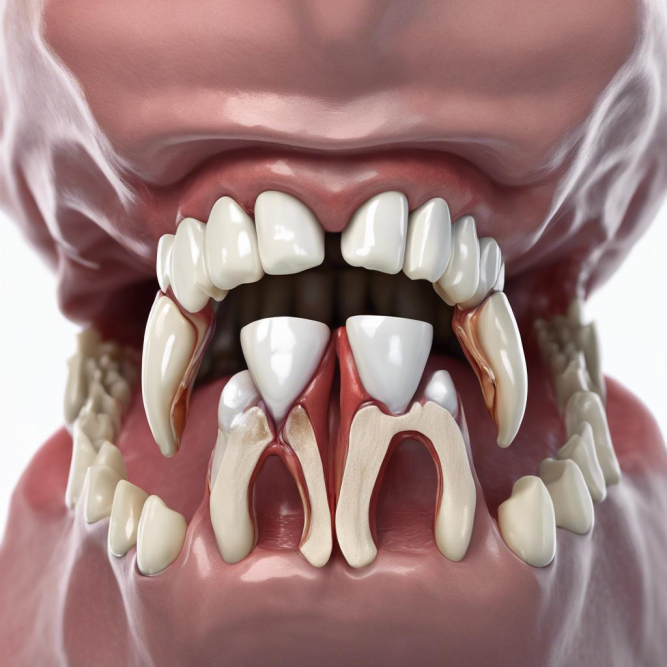
The morphology and health of a dog’s teeth are crucial indicators of its overall well-being and are essential for assessing its nutritional status and behavior. In this article, we will delve into the specific characteristics that define healthy canine dentition, exploring the ideal size, shape, and alignment of dog teeth. By comprehensively examining these features, we aim to establish a foundation for understanding the significance of canine dental health in the broader context of veterinary and animal science research.
Table of Contents
- 1. Canine Dental Anatomy: The Basics
- 2. Understanding Healthy Dog Teeth: A Detailed Analysis
- 3. Signs of Dental Problems in Dogs: A Closer Look
- 4. Dental Care Recommendations for Maintaining Healthy Dog Teeth
- Q&A
- In Summary
1. Canine Dental Anatomy: The Basics
Dogs, just like humans, need proper dental care to maintain good oral health. Understanding the basic anatomy of canine teeth is essential for any dog owner. This knowledge can help you identify signs of dental issues and take necessary action to prevent problems.
The typical appearance of a dog’s teeth can vary slightly depending on the breed and size of the dog. However, some general characteristics can be used to determine the ideal canine dental anatomy. A healthy set of dog teeth should have the following features:
- White and Clean: Healthy dog teeth should be white and free from discoloration or tartar buildup.
- Strong and Firm: The teeth should be firm and strong with no signs of mobility or wobbling.
- Healthy Gums: The gums should be pink and firm, with no signs of swelling, redness, or bleeding.
- Proper Alignment: The teeth should be properly aligned, with no overcrowding or misplacement.
It is crucial to regularly check your dog’s teeth for any abnormalities and to schedule regular dental check-ups with a veterinarian. Maintaining proper dental hygiene, providing chew toys, and feeding a balanced diet can help promote healthy teeth and gums in dogs.
2. Understanding Healthy Dog Teeth: A Detailed Analysis
Dogs, like humans, need to have healthy teeth to live a comfortable and pain-free life. A dog’s teeth should be clean, white, and free from tartar and plaque. Healthy dog teeth look like the following:
- Clean and White: Just like human teeth, healthy dog teeth should be clean and white, without any discoloration or dark spots.
- No Bad Breath: One sign of dental problems in dogs is bad breath. Healthy dog teeth should not cause any foul odor from their mouths.
- No Plaque or Tartar: Plaque and tartar buildup can lead to gum diseases and tooth decay, so healthy dog teeth should be free from these. Regular dental care and professional cleanings can help prevent plaque and tartar buildup.
In addition to these visual signs, healthy dog teeth should also be strong and free from any signs of decay or damage. Regular dental check-ups, proper nutrition, and dental care at home are essential to maintaining healthy teeth in dogs. Keeping a close eye on the appearance and condition of your dog’s teeth can help prevent dental issues and ensure a happy and healthy pup.
3. Signs of Dental Problems in Dogs: A Closer Look
Dental Problems in Dogs
When it comes to dog health, dental problems are often overlooked but can have a significant impact on your pet’s overall well-being. As a responsible pet owner, it’s important to be aware of the signs of dental problems in dogs. By knowing what to look for, you can take the necessary steps to ensure your dog’s dental health is in top shape.
Here are some signs of dental problems in dogs that you should be on the lookout for:
- Bad breath: If your dog has consistently bad breath, it could be a sign of dental issues such as periodontal disease.
- Discolored teeth: Healthy dog teeth should be white or slightly yellow. Discolored teeth could indicate decay or other dental problems.
- Bleeding or swollen gums: These are common signs of gum disease, which can lead to serious dental issues if left untreated.
4. Dental Care Recommendations for Maintaining Healthy Dog Teeth
When it comes to maintaining healthy dog teeth, there are a few key recommendations that every dog owner should follow. Keeping your dog’s teeth clean and healthy is essential for their overall well-being, as dental issues can lead to more serious health problems if left untreated. Here are some dental care recommendations to help keep your dog’s teeth in top condition.
Regular Brushing: Just like humans, dogs also need their teeth brushed regularly to prevent plaque and tartar buildup. Use a dog-specific toothbrush and toothpaste, as human toothpaste can be harmful to dogs. Aim to brush your dog’s teeth at least a few times a week, if not every day, to keep their teeth clean and their breath fresh.
Healthy Diet: A nutritious diet plays a key role in maintaining your dog’s dental health. Providing your dog with high-quality, dental-friendly food and treats can help prevent plaque and tartar buildup and keep their teeth strong and healthy.
Chew Toys and Dental Chews: Giving your dog appropriate chew toys and dental chews can help remove plaque and prevent tartar buildup. Additionally, chewing on these items can help keep your dog’s teeth strong and healthy.
In addition to these recommendations, it’s also important to schedule regular dental check-ups with your veterinarian to ensure that your dog’s teeth and gums are in good condition. By following these dental care recommendations, you can help maintain your dog’s healthy teeth and prevent potential dental issues down the line.
| Regular Brushing: | Use a dog-specific toothbrush and toothpaste |
| Healthy Diet: | Provide high-quality, dental-friendly food and treats |
| Chew Toys and Dental Chews: | Help remove plaque and prevent tartar buildup |
Q&A
Q: What should healthy dog teeth look like?
A: Healthy dog teeth should be clean and free of any discoloration or plaque buildup. The gums should be a healthy pink color and should not show any signs of swelling or bleeding. The teeth themselves should be white and free of any cracks or chips. It’s also important to note that a dog’s breath should not have a foul odor, as this can be a sign of dental issues.
Q: What are signs of dental problems in dogs?
A: Some common signs of dental problems in dogs include bad breath, discolored or loose teeth, swollen or bleeding gums, and difficulty chewing. If you notice any of these signs, it’s important to take your dog to the veterinarian for a dental examination. Ignoring dental issues can lead to more serious health problems for your dog, so it’s best to address any concerns as soon as possible.
Q: How can I help maintain my dog’s dental health?
A: Regular at-home dental care is important for maintaining your dog’s dental health. This includes brushing your dog’s teeth regularly, providing chew toys or dental treats to help remove plaque, and scheduling regular dental cleanings with your veterinarian. Additionally, feeding your dog a balanced diet can also contribute to their overall oral health. Research has shown that a healthy diet can help prevent dental issues in dogs.
In Summary
In conclusion, maintaining the dental health of our canine companions is essential for their overall well-being. By understanding what a healthy set of dog teeth should look like, we can better identify any potential issues and address them early on. From the shape and color of the teeth to the condition of the gums, there are various indicators that can help us assess the oral health of our dogs. Regular veterinary check-ups and proper dental care at home are crucial in preventing dental problems and ensuring the longevity of our furry friends. Further research in this field can provide us with a deeper understanding of canine dental health, leading to improved methods of prevention and treatment. Ultimately, by being attentive to the appearance and condition of our dog’s teeth, we can contribute to their overall health and happiness.

