



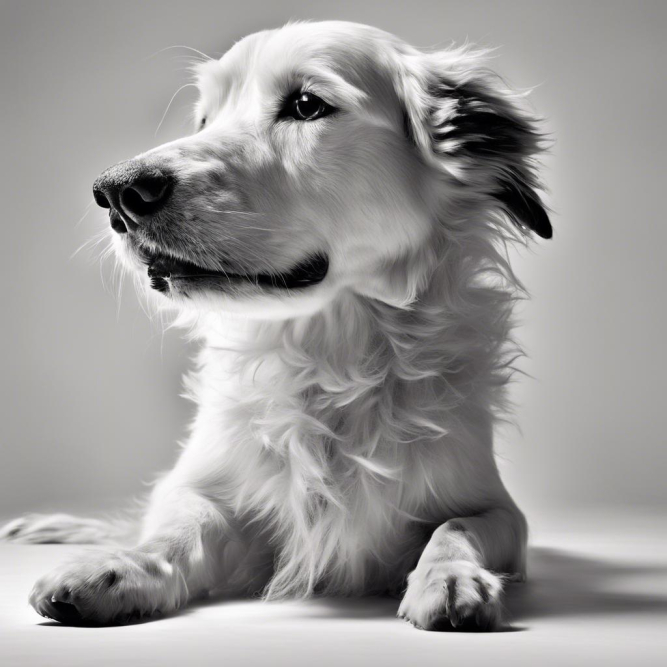
This article explores the phenomenon of excessive self-licking behavior in dogs. Through a review of recent research studies and empirical evidence, we aim to shed light on the potential causes and implications of this behavior. By delving into the physiological and behavioral mechanisms at play, we seek to provide a comprehensive understanding of excessive self-licking in dogs, in order to inform both pet owners and professionals in the field of veterinary medicine.
Table of Contents
- Potential Health Risks Associated with Excessive Self-Licking in Dogs
- Causes and Triggers of Excessive Self-Licking in Canines
- Behavioral and Psychological Factors Contributing to Excessive Self-Licking
- Impact of Excessive Self-Licking on Canine Skin and Coat Health
- Strategies for Managing and Redirecting Excessive Self-Licking Behavior
- Medical Interventions and Treatments for Excessive Self-Licking in Dogs
- Nutritional and Dietary Considerations for Addressing Excessive Self-Licking
- Importance of Consistent Grooming and Hygiene Practices in Preventing Excessive Self-Licking
- Q&A
- Wrapping Up
Potential Health Risks Associated with Excessive Self-Licking in Dogs
Excessive self-licking in dogs is a common behavior that can result in potential health risks if not addressed. Dogs may lick themselves for various reasons, such as grooming, soothing anxiety, or seeking relief from itching. While licking is a natural behavior for dogs, excessive licking can lead to a range of health issues that pet owners should be aware of.
One potential health risk associated with excessive self-licking in dogs is the development of hot spots, also known as acute moist dermatitis. Hot spots are irritated and infected areas of the skin that can result from constant licking and chewing. These hot spots can be painful for the dog and may require veterinary treatment to heal. In addition to hot spots, excessive licking can also lead to skin irritation and the development of sores, which can become infected if not properly cared for.
Furthermore, excessive self-licking can indicate underlying health issues that need to be addressed. It may be a sign of allergies, skin infections, or other medical conditions that require veterinary attention. In some cases, dogs may even ingest harmful substances or irritants while licking themselves excessively, leading to gastrointestinal issues. Therefore, it is crucial for pet owners to monitor their dog’s licking behavior and seek veterinary advice if it becomes excessive or concerning.
Overall, excessive self-licking in dogs can pose potential health risks that range from skin irritation to the ingestion of harmful substances. Pet owners should be observant of their dog’s licking behavior and take proactive measures to address any underlying issues to ensure their pet’s well-being.
Causes and Triggers of Excessive Self-Licking in Canines
Excessive self-licking in canines, also known as acral lick dermatitis or lick granuloma, is a common problem among dogs. There are various causes and triggers behind this behavior, and understanding them can help in effectively managing and treating the condition.
One of the primary causes of excessive self-licking in dogs is underlying medical issues. It can be a symptom of allergies, skin infections, pain, or even neurological disorders. Dogs may also lick themselves excessively as a coping mechanism for stress, anxiety, or boredom. In some cases, it can be a result of learned behavior, where the dog has associated licking with soothing an itch or pain, and continues to do so even when the issue has resolved.
Triggers for excessive self-licking can vary from one dog to another. It could be related to environmental factors such as changes in routine, household dynamics, or exposure to new allergens. Additionally, certain breeds are more predisposed to obsessive licking behavior, and age can also play a role. Identifying the specific cause and triggers for a particular dog is crucial in addressing the problem effectively.
| Common Causes | Possible Triggers |
| Allergies, infections, pain, or neurological disorders | Changes in routine, household dynamics, or allergen exposure |
| Stress, anxiety, or boredom | Breed predisposition and age |
Behavioral and Psychological Factors Contributing to Excessive Self-Licking
Excessive self-licking in dogs can be caused by a variety of behavioral and psychological factors. It’s essential to understand these factors to address the issue effectively. Some of the contributing factors to excessive self-licking in dogs include:
1. **Anxiety and stress**: Dogs, like humans, can experience anxiety and stress, which may lead to excessive self-licking as a coping mechanism. This behavior can become a compulsive habit, especially in high-stress situations or when the dog is left alone for extended periods.
2. **Boredom and lack of stimulation**: Dogs that are not sufficiently stimulated or engaged may resort to excessive self-licking as a way to occupy themselves. This behavior can also be a sign of boredom or frustration, especially in dogs that are not provided with enough mental and physical exercise.
3. **Underlying medical conditions**: Some dogs may engage in excessive self-licking due to underlying medical conditions such as allergies, skin infections, or pain. It’s essential to rule out any medical issues with the help of a veterinarian before addressing the behavioral and psychological aspects of the problem.
4. **Skin irritants and environmental factors**: Environmental factors such as fleas, ticks, or other skin irritants can also contribute to excessive self-licking in dogs. It’s crucial to ensure a clean and healthy environment for your dog to prevent these factors from triggering the behavior.
Understanding the in dogs is crucial for effectively addressing the issue. By identifying the underlying causes and providing appropriate intervention, you can help your dog overcome this behavior and improve their overall well-being.
Impact of Excessive Self-Licking on Canine Skin and Coat Health
The habit of excessive self-licking in dogs can have a significant impact on their skin and coat health. While it’s natural for dogs to groom themselves, excessive licking can lead to a variety of skin issues and negatively affect the condition of their coat.
One of the potential consequences of excessive self-licking is the development of hot spots, also known as acute moist dermatitis. These are painful, red, and inflamed areas on the skin that can result from the constant moisture and friction caused by licking. Additionally, excessive licking can irritate the skin and lead to allergic reactions, infections, and hair loss. These issues not only cause discomfort for the dog but also require veterinary attention and treatment.
Moreover, excessive licking can disrupt the natural balance of oils in a dog’s coat, leading to dry, flaky skin and a dull, unhealthy-looking coat. This can impact the overall appearance of the dog and may lead to a decrease in their quality of life. In severe cases, it can also affect the dog’s overall well-being, as the skin is an important organ for regulating body temperature and protecting against infection. It’s essential for pet owners to monitor their dog’s grooming habits and seek veterinary advice if excessive licking becomes a concern.
In conclusion, excessive self-licking can have a detrimental effect on a dog’s skin and coat health, leading to various issues such as hot spots, skin irritation, infections, and a dull coat. It’s crucial for dog owners to be mindful of their pet’s grooming habits and seek professional help if they notice any signs of excessive licking. By addressing this issue early on, pet owners can help maintain their dog’s skin and coat health and ensure their overall well-being.
Strategies for Managing and Redirecting Excessive Self-Licking Behavior
Identify Root Causes
Excessive self-licking behavior in dogs can be a sign of various underlying issues. Before implementing a management strategy, it’s important to identify the root cause of the behavior. Some potential reasons for excessive licking include allergies, dermatological issues, pain, anxiety, or habit. By consulting with a veterinarian, you can gain insights into the underlying cause and develop a targeted management plan for your dog.
Implement Environmental and Behavioral Modification
Once the underlying cause has been identified, it’s important to implement environmental and behavioral modifications to help manage and redirect excessive self-licking behavior in dogs. This can include ensuring your dog has a stimulating and enriching environment, providing regular exercise, and managing any underlying anxiety or stress triggers. Additionally, using redirection techniques such as offering toys, puzzles, or interactive play can help redirect your dog’s attention away from excessive licking. Creating a structured routine and providing positive reinforcement for desired behaviors can also be beneficial in managing excessive self-licking behavior.
Explore Medical and Therapeutic Interventions
In some cases, medical and therapeutic interventions may be necessary to effectively manage and redirect excessive self-licking behavior in dogs. This can include the use of medications to manage allergies, dermatological conditions, or pain, as well as implementing behavior modification techniques such as desensitization and counter-conditioning. Additionally, alternative therapies such as acupuncture, massage, or herbal remedies may be beneficial in managing underlying issues contributing to excessive self-licking behavior. It’s important to work closely with a veterinarian to explore the most appropriate medical and therapeutic interventions for your dog.
Medical Interventions and Treatments for Excessive Self-Licking in Dogs
Excessive self-licking in dogs, also known as acral lick dermatitis, can be a challenging behavior to address. This habit can lead to skin irritation, hair loss, and even open sores, causing discomfort and potential infection for the dog. It is crucial for pet owners to understand the medical interventions and treatments available to help their furry friends overcome this issue.
One of the first steps in addressing excessive self-licking in dogs is to consult with a veterinarian. They can help determine the underlying cause of the behavior and recommend appropriate medical interventions. In some cases, the excessive licking may be a symptom of an underlying medical condition such as allergies, skin infections, or pain. Identifying and addressing the root cause is essential for effective treatment.
Medical interventions for excessive self-licking in dogs may include the use of medications to manage pain, inflammation, or anxiety. Additionally, topical treatments such as medicated shampoos or ointments can help soothe irritated skin and promote healing. It is important to follow the veterinarian’s recommendations closely and monitor the dog’s progress to ensure the chosen interventions are effective._consideration in relieving and treating excessive self-licking in dogs.
Below is a table summarizing the :
| Treatment | Description |
|—————————–|——————————————————————–|
| Medication | Prescription drugs to manage pain, inflammation, or anxiety |
| Topical Treatments | Medicated shampoos or ointments to soothe and heal irritated skin |
| Veterinary Consultation | Essential for identifying the root cause and recommending treatment|
Nutritional and Dietary Considerations for Addressing Excessive Self-Licking
Excessive self-licking in dogs can be a concerning behavior that may indicate underlying health or dietary issues. One crucial aspect to consider when addressing this behavior is the nutritional and dietary needs of the dog. Providing a well-balanced diet can greatly contribute to reducing excessive self-licking and promoting overall health in dogs.
When tackling excessive self-licking in dogs, it’s important to consider the following nutritional and dietary considerations:
– **Protein and Amino Acids:** Ensure that your dog’s diet includes high-quality protein sources such as chicken, beef, or fish. Amino acids play a vital role in maintaining healthy skin and coat, which can help reduce the need for excessive licking.
– **Omega-3 Fatty Acids:** Incorporating omega-3 fatty acids into your dog’s diet can help reduce inflammation and improve skin health. Consider adding fish oil or flaxseed oil to your dog’s meals to promote a healthy skin barrier.
– **Hydration:** Adequate hydration is essential for maintaining skin health. Ensure that your dog has access to fresh, clean water at all times. You can also increase moisture in your dog’s diet by feeding wet food or incorporating water-rich fruits and vegetables into their meals.
In addition to these dietary considerations, it’s important to address any potential underlying health issues with the guidance of a veterinarian. A comprehensive approach that focuses on both nutritional and medical interventions can help effectively manage excessive self-licking in dogs.
Importance of Consistent Grooming and Hygiene Practices in Preventing Excessive Self-Licking
Excessive self-licking is a common issue among dogs, and it can lead to various health problems if not addressed properly. Consistent grooming and hygiene practices are crucial in preventing excessive self-licking in dogs. Here’s why:
Regular grooming helps to keep the dog’s coat clean and free from dirt, debris, and parasites. When a dog’s coat is dirty or infested with parasites, it can lead to discomfort, itchiness, and skin irritation, which in turn may cause the dog to engage in excessive licking as a way to alleviate the discomfort. By maintaining a clean and parasite-free coat through regular grooming, the likelihood of excessive self-licking can be significantly reduced.
Furthermore, maintaining good hygiene practices, such as regular bathing, helps to keep the dog’s skin healthy and free from infections. Skin infections can cause itchiness and discomfort, leading to excessive self-licking as a coping mechanism. Additionally, ensuring that the dog’s ears, teeth, and paws are clean and well-maintained can also help to prevent irritation and discomfort, thereby reducing the likelihood of excessive self-licking.
| Benefits of Consistent Grooming and Hygiene Practices |
|---|
| Prevents dirt and parasite buildup, reducing discomfort and irritation |
| Maintains healthy skin, reducing the likelihood of infections and itchiness |
| Helps to keep ears, teeth, and paws clean and free from irritation |
Q&A
Q: Why do dogs lick themselves excessively?
A: Dogs may lick themselves excessively for various reasons, including physical discomfort, skin irritation, allergies, anxiety, boredom, or even due to behavioral problems. **Excessive licking can lead to hot spots, hair loss, and skin infections, so it’s essential to address the underlying cause.**
Q: How can excessive licking in dogs be treated?
A: **If your dog is licking themselves excessively, it’s important to first consult with a veterinarian** to rule out any medical conditions that may be causing the behavior. Once a medical issue has been ruled out, addressing the underlying cause of the excessive licking is crucial. This may involve implementing behavioral enrichment, providing proper grooming and hygiene, addressing any skin issues or allergies, and potentially using behavior modification techniques with the guidance of a professional trainer or behaviorist. It’s essential to approach the issue with patience and persistence, as changing ingrained behaviors in dogs can take time and consistency.
Wrapping Up
In conclusion, excessive licking in dogs can be a distressing behavior for both the animal and its owner. While it is a natural behavior to some extent, excessive licking can indicate underlying health or behavioral issues that require attention. It is important for dog owners to monitor their pet’s licking habits and seek professional veterinary advice if necessary. Further research and understanding of the causes and potential treatments for excessive licking in dogs is crucial in order to ensure the health and well-being of our canine companions. As we continue to delve into this field of study, we hope to uncover new insights and develop effective strategies for addressing this common canine behavior.

