



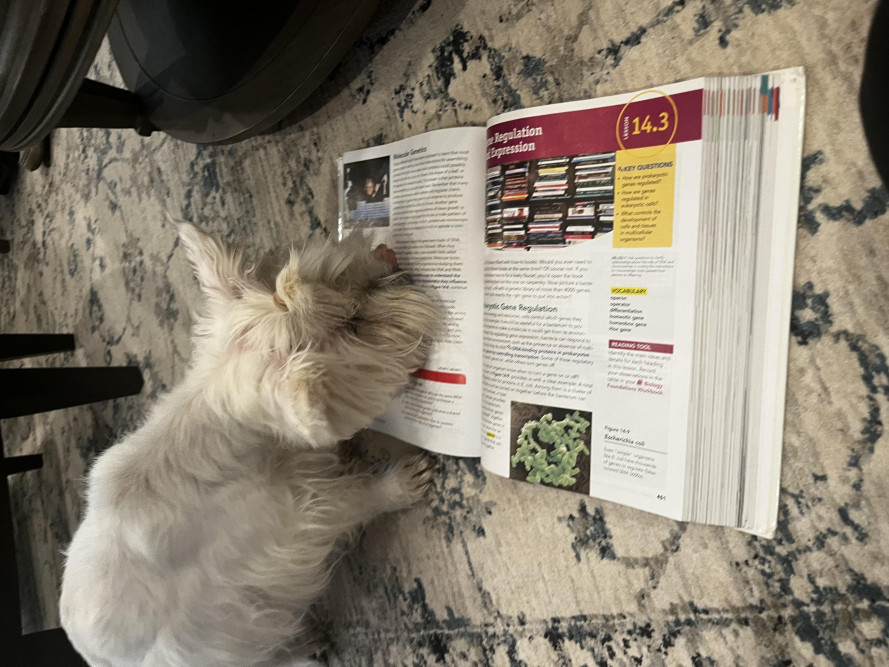
Dogs are known for their loyalty and ability to comprehend human emotions, but can they truly understand our words and commands? This question has long intrigued scientists and pet owners alike. Through rigorous research and observation, we aim to delve into the fascinating world of canine cognition and determine whether dogs have the capability to truly understand human language. In this article, we will explore the latest findings and theories regarding dogs’ comprehension of human speech and delve into the complex dynamics of interspecies communication.
Table of Contents
- Dogs’ Ability to Understand Human Communication
- Research on Canine Comprehension of Human Language
- The Role of Body Language in Communicating with Dogs
- Practical Tips for Improving Communication with Your Dog
- Understanding the Limits of Canine Comprehension
- Q&A
- The Way Forward
Dogs’ Ability to Understand Human Communication
Studies have shown that dogs possess the remarkable ability to understand human communication in various forms. These intelligent animals are not only capable of interpreting verbal commands, but they can also understand cues, body language, and even emotional expressions from their human counterparts. This innate understanding of human communication makes dogs one of the most socially intelligent species on the planet.
Research has indicated that dogs can comprehend several aspects of human communication, including:
- Verbal Commands: Dogs can be trained to recognize and respond to specific words or phrases, demonstrating their ability to understand human language to some extent.
- Body Language: Dogs are sensitive to human body language and can interpret cues such as pointing, gesturing, and facial expressions to understand what their owner is trying to convey.
- Emotional Expressions: Dogs have been observed to react to the emotional state of humans, showcasing their ability to understand and respond to different emotional cues.
Overall, the ability of dogs to understand human communication is a testament to their incredible social cognition and their unique bond with humans.
Research on Canine Comprehension of Human Language
has been a topic of interest for many pet owners and animal behaviorists alike. While it is well-known that dogs can understand and respond to a variety of verbal commands and cues from their human companions, the extent to which they comprehend the actual meaning of human language has been the subject of much debate and investigation.
A study published in the journal Science found that dogs are able to process both the meaning of words and the intonation of human speech, similar to how humans comprehend language. This discovery suggests that dogs have a more advanced level of language comprehension than previously believed. Furthermore, research has shown that dogs can understand the emotional content of human speech, indicating that they are not only listening to the words we say but also picking up on our tone and emotional cues.
Additionally, recent studies have utilized fMRI technology to examine the neural mechanisms involved in canine language processing. The results have indicated that dogs have dedicated brain regions for processing both verbal and non-verbal communication from humans. This provides further evidence that dogs possess a sophisticated level of language comprehension and are able to understand a significant amount of human language. Overall, these findings shed light on the remarkable abilities of dogs to understand and interpret human language, further strengthening the bond between dogs and their human companions.
The Role of Body Language in Communicating with Dogs
Body language plays a crucial role in communicating with dogs, as they rely heavily on visual cues to understand their human companions and other animals. Understanding and utilizing the principles of dog body language can help bridge the communication gap between humans and dogs, leading to stronger bonds and better overall interactions.
Here are some key aspects of body language that dogs use to communicate, and that humans can learn to interpret:
- Facial Expressions: Dogs use facial expressions to convey their emotions and intentions. For example, a relaxed mouth and soft eyes indicate a calm and friendly demeanor, while a tense expression with bared teeth may signal aggression or fear.
- Posture and Movement: The way a dog positions its body and moves can also communicate a lot. A wagging tail can indicate happiness or excitement, while a lowered stance may signify submission or fear. Understanding these cues can help humans interpret a dog’s state of mind.
- Eye Contact: Direct eye contact can be perceived as a challenge or a threat in the canine world. By understanding this aspect of dog body language, humans can learn how to approach and interact with dogs in a way that is respectful and non-threatening.
By learning to recognize and respond to the subtle signals of dog body language, humans can enhance their ability to communicate effectively with their canine companions, leading to happier and more fulfilling relationships.
Practical Tips for Improving Communication with Your Dog
Improving communication with your dog is essential for building a strong bond and ensuring a harmonious relationship. While dogs may not understand human language in the same way we do, they are highly adept at interpreting our tone of voice, body language, and facial expressions. By understanding how to effectively communicate with your dog, you can strengthen your connection and improve obedience and responsiveness.
Here are some :
- Use clear, consistent cues: Dogs thrive on routine and consistency. Using clear and consistent cues for commands such as “sit,” “stay,” and ”come” will help your dog understand what is expected of them.
- Pay attention to your body language: Dogs are experts at reading body language. By maintaining a calm and assertive posture, you can convey confidence and leadership to your dog.
- Positive reinforcement: Rewarding your dog with treats, praise, or toys when they exhibit desired behaviors reinforces positive communication and encourages them to continue obeying commands.
By implementing these practical tips, you can improve communication with your dog and strengthen your bond with them.
Understanding the Limits of Canine Comprehension
Dogs are known for their loyal and loving nature, but how much can they really understand? While it’s clear that dogs can pick up on certain cues and commands, their comprehension does have its limits. Here are some key points to consider when trying to communicate with your furry friend.
1. Limitations of Language: Dogs may not comprehend human language in the same way that we do. They can learn to associate certain sounds with specific actions or behaviors, but their understanding is limited to basic commands and cues.
2. Non-Verbal Communication: Dogs are incredibly attuned to non-verbal communication, such as body language and tone of voice. They can pick up on subtle cues to understand how we are feeling, but this doesn’t necessarily translate to complex concepts or instructions.
3. Cognitive Abilities: While dogs are intelligent animals, their cognitive abilities are not on the same level as humans. They may struggle to comprehend abstract ideas or complex tasks, so it’s important to keep communication clear and simple.
In conclusion, while dogs are capable of understanding and responding to certain forms of communication, their comprehension does have its limitations. By being mindful of these limits and approaching communication with patience and clarity, you can build a stronger bond with your canine companion.
Q&A
Q: Can dogs understand human language?
A: While dogs may not understand human language in the same way as humans do, they are able to comprehend many words and phrases through association and repetition.
Q: How do dogs communicate with humans?
A: Dogs communicate with humans through a combination of body language, vocalizations, and learned cues. They can learn to respond to verbal commands and understand tone of voice.
Q: Can dogs understand complex emotions and instructions?
A: Dogs have been shown to have the ability to understand basic emotions such as happiness, anger, and fear. They can also learn to follow complex instructions and perform a variety of tasks with proper training and cues.
Q: What factors influence a dog’s ability to understand humans?
A: A dog’s breed, individual temperament, and past experiences can all play a role in their ability to understand and communicate with humans. Positive reinforcement training and socialization also contribute to a dog’s comprehension and responsiveness.
Q: Can a strong bond with a dog improve communication and understanding?
A: Yes, a strong bond between a dog and their human can improve communication and understanding. Dogs are highly social animals and are known to develop strong bonds with their owners, leading to a greater level of understanding and responsiveness.
The Way Forward
In conclusion, the evidence suggests that dogs are capable of understanding human communication to a certain extent. Their ability to comprehend our gestures, tone of voice, and even some words demonstrates a level of understanding that goes beyond purely instinctual responses. While they may not understand us at the same level as another human would, the bond and communication between humans and dogs is truly unique. Further research into the cognitive abilities of dogs will continue to shed light on their remarkable understanding of human language and behavior. As responsible pet owners, it is important to recognize and acknowledge the intelligence and understanding that our canine companions possess, and to continue fostering a strong and healthy relationship built on communication and understanding.

