



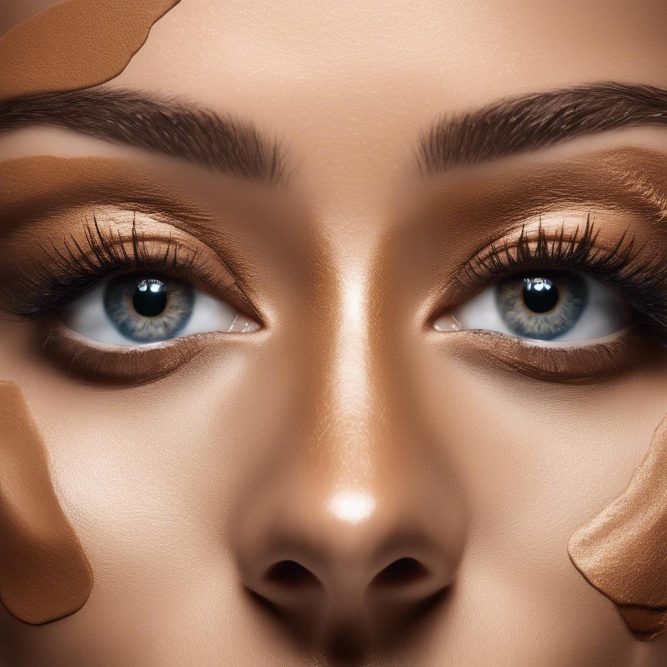
Bronzer and contouring products have become essential tools in the makeup industry, enabling individuals to achieve a flawless, sculpted complexion. Understanding the differences between these two popular products is crucial for any beauty enthusiast or professional makeup artist. In this article, we will delve into the nuances of bronzer and contour, examining their unique purposes and applications in order to provide clarity on choosing the right product for each specific makeup look. By the end, readers will have a comprehensive understanding of the distinctions between bronzer and contour, equipping them with the knowledge to achieve their desired makeup results with confidence and precision.
Table of Contents
- Bronzer vs Contour: Understanding the Key Differences
- The Purpose of Bronzer: Achieve a Sun-Kissed Glow
- The Purpose of Contour: Sculpting and Defining Facial Features
- How to Choose the Right Bronzer for Your Skin Tone
- Mastering the Art of Contouring: Tips for a Flawless Look
- Bronzer and Contour: Using Both Techniques for Maximum Impact
- The Best Bronzer and Contour Products for Every Budget
- Q&A
- Closing Remarks
Bronzer vs Contour: Understanding the Key Differences
Bronzer and contour are two popular makeup products that are often confused with each other. Understanding the key differences between the two can help you achieve the desired makeup look. Both bronzer and contour are used to add dimension and warmth to the face, but they serve different purposes and are applied in different areas.
Bronzer is used to add a sun-kissed glow to the skin. It is typically applied to the high points of the face where the sun naturally hits, such as the forehead, cheekbones, and bridge of the nose. Bronzer comes in various shades, ranging from light to deep, and is often used to mimic a tan or add warmth to the complexion. It is best applied with a fluffy brush in a sweeping motion for a natural look.
On the other hand, contour is used to create definition and sculpt the face. It is typically applied to the hollows of the cheeks, the jawline, and the sides of the nose to create the illusion of more prominent features. Contour products are usually matte and come in shades that are cool-toned to mimic natural shadows. A contour brush or a makeup sponge can be used to blend the product seamlessly for a chiseled look.
In summary, bronzer is used to add warmth and a sun-kissed glow, while contour is used to define and sculpt the face. Understanding the key differences between the two products will help you achieve a flawless makeup look every time. Consider your desired makeup look and the areas of the face you want to enhance when choosing between bronzer and contour.
The Purpose of Bronzer: Achieve a Sun-Kissed Glow
Bronzer and contouring are two popular makeup techniques used to enhance the facial features and achieve a more defined and sculpted look. While both techniques involve the use of makeup to create depth and dimension, they serve different purposes and are applied in different areas of the face. Understanding the differences between bronzer and contouring can help you achieve the desired sun-kissed glow or chiseled look.
Bronzer:
Bronzer is a product typically used to add warmth and color to the skin, mimicking a sun-kissed glow. It is applied to the high points of the face where the sun would naturally hit, such as the forehead, cheeks, and nose. Bronzer comes in various shades and formulations, including powders, creams, and liquids, allowing for a customizable finish. When applied correctly, bronzer can help create a healthy, radiant complexion without looking heavy or muddy.
Contouring:
Contouring, on the other hand, involves using a matte product, typically a powder or cream that is a few shades darker than your natural skin tone, to create shadows and definition on the face. This technique is often used to sculpt and shape the features, such as defining the cheekbones, narrowing the nose, and creating a more chiseled jawline. Contouring is more precise and targeted, focusing on creating the illusion of depth rather than adding overall warmth to the skin.
The Purpose of Contour: Sculpting and Defining Facial Features
When it comes to achieving that chiseled, defined look, contouring and bronzing are two popular makeup techniques that are often used interchangeably. While both techniques are used to enhance and sculpt the face, they serve different purposes and are applied in different ways. Understanding the differences between bronzer and contour is crucial in order to achieve the desired results.
Contour: Contouring is a makeup technique that involves using a matte powder, cream, or stick that is a few shades darker than your natural skin tone to create shadows and define the natural bone structure of the face. It is typically applied to the hollows of the cheeks, along the jawline, and the sides of the nose to create the illusion of a slimmer and more sculpted face. The purpose of contouring is to add depth and dimension to the face, making certain features appear more prominent.
Bronzer: On the other hand, bronzer is used to add warmth and color to the skin, mimicking a sun-kissed glow. It is typically applied to the high points of the face where the sun naturally hits, such as the forehead, cheekbones, and the bridge of the nose. Unlike contour, bronzer typically has a warm undertone and a slight shimmer, creating a radiant and healthy complexion. The purpose of using bronzer is to add a natural-looking warmth to the skin, giving it a healthy, sun-kissed appearance.
How to Choose the Right Bronzer for Your Skin Tone
When it comes to enhancing your complexion, bronzer and contour products are essential tools in your makeup arsenal. Understanding the difference between the two will help you make the right choice for your skin tone. While both products are used to add definition to the face, they serve different purposes. Bronzer is typically used to add warmth and a sun-kissed glow to the skin, while contour is used to create shadows and sculpt the features of the face.
To choose the right bronzer for your skin tone, it is important to consider your undertone. For those with warm undertones, opt for a bronzer with golden or peachy tones to complement your complexion. Cooler undertones are best suited to bronzers with pink or neutral undertones. If you have a neutral undertone, you can choose a bronzer that falls somewhere in between warm and cool tones. It is also important to consider the depth of your skin tone when choosing a bronzer. Deeper skin tones can opt for bronzers with rich, deep tones, while lighter skin tones should look for lighter, more subtle shades.
In addition to your undertone and skin depth, consider the finish of the bronzer. Matte bronzers are best for creating a natural-looking contour, while shimmer or satin finishes can add a radiant, sun-kissed glow to the skin. Regardless of your choice, it is important to blend the bronzer seamlessly for a natural look. Remember, the goal is to enhance your natural features, not to create a mask on your face. By considering these factors, you can find the perfect bronzer to complement your skin tone and achieve a beautiful, healthy glow.
Mastering the Art of Contouring: Tips for a Flawless Look
Bronzer vs Contour: Understanding the Key Differences
When it comes to creating a flawless makeup look, understanding the difference between bronzer and contour is essential. While both products are used to add dimension and definition to the face, they serve different purposes and are applied in different areas. Here’s a breakdown of the main differences between bronzer and contour to help you master the art of contouring for a flawless look.
Bronzer:
- Bronzer is typically used to add warmth and a sun-kissed glow to the skin.
- It is applied to the high points of the face where the sun naturally hits, such as the forehead, cheekbones, and jawline.
- Choose a bronzer that is only one or two shades darker than your natural skin tone to achieve a natural-looking result.
Contour:
- Contour, on the other hand, is used to create shadows and define certain features of the face.
- It is applied to the hollows of the cheeks, along the hairline, and the sides of the nose to sculpt and shape the face.
- Contour shades are typically cooler and more matte, helping to create the illusion of shadows for a more sculpted appearance.
Which One Should You Use?
So, which one should you use for your flawless makeup look? The answer is both! While bronzer and contour serve different purposes, they complement each other and can be used together to achieve a beautifully sculpted look. Start by applying contour to create definition, then follow up with bronzer to add warmth and a healthy glow to the skin. By understanding the key differences between bronzer and contour, you can master the art of contouring and achieve a flawless makeup look every time.
Bronzer and Contour: Using Both Techniques for Maximum Impact
When it comes to makeup, bronzer and contour are two techniques that can elevate your look and add definition to your face. While both techniques serve different purposes, using them together can create a stunning, chiseled effect that enhances your natural features. Understanding how to use bronzer and contour in tandem can help you achieve maximum impact with your makeup.
Bronzer: Bronzer is typically used to add warmth and a sun-kissed glow to the skin. It can be applied to the high points of the face where the sun naturally hits, such as the forehead, cheeks, and nose. When choosing a bronzer, opt for a shade that is one to two shades darker than your natural skin tone. Using a fluffy brush, apply the bronzer in a “3” shape along the temples, under the cheekbones, and along the jawline for a natural, healthy glow.
Contour: Contouring, on the other hand, is used to create shadows and define the structure of the face. It involves using a matte powder or cream that is a few shades darker than your skin tone to sculpt the cheeks, nose, and jawline. To contour effectively, use a contour brush to apply the product in the hollows of the cheeks, along the sides of the nose, and under the jawline, blending well for a seamless finish.
The Best Bronzer and Contour Products for Every Budget
When it comes to achieving a sun-kissed glow or creating chiseled cheekbones, bronzer and contour products are essential in every makeup routine. Whether you’re a beauty enthusiast on a tight budget or someone who doesn’t mind splurging on high-end products, there are options available for every price point. Understanding the difference between bronzer and contour is crucial in selecting the best products for your needs.
Bronzer:
Bronzer is designed to add warmth and a healthy glow to the skin. It is typically applied to the high points of the face where the sun naturally hits, such as the forehead, cheeks, and nose. When selecting a bronzer, consider your skin tone to ensure the shade complements your complexion. Drugstore options like L’Oréal True Match Lumi Bronze It and Maybelline City Bronzer offer affordable, quality bronzer options that cater to various skin tones. If you’re willing to invest in a higher-end product, bronzers from brands like NARS and Benefit Cosmetics are known for their blendability and natural finish.
Contour:
On the other hand, contour products are used to create shadows and enhance facial structure. A contour shade is typically cool-toned and mimics the natural shadows of the face. When choosing a contour product, it’s important to select a shade that is a few shades darker than your skin tone for a natural-looking effect. Drugstore options such as NYX Matte Bronzer and e.l.f. Contour Palette offer affordable contour products that are easy to blend and build. For those looking to indulge in luxury, high-end options like Fenty Beauty Match Stix and Anastasia Beverly Hills Contour Kit are revered for their pigmentation and long-lasting wear.
In conclusion, whether you’re looking to add warmth to your complexion with bronzer or define your features with contour, there are products available for every budget. Understanding the difference between the two will help you make an informed decision when selecting the best bronzer and contour products for your specific needs. So, go ahead and treat yourself to a new bronzer or contour product that suits your budget and preferences.
Q&A
Q: What is the purpose of bronzer?
A: The purpose of bronzer is to give the skin a sun-kissed glow and to add warmth to the complexion.
Q: What is the purpose of contour?
A: The purpose of contour is to create definition and enhance the natural bone structure of the face.
Q: How is bronzer applied?
A: Bronzer is typically applied to the areas of the face that the sun would naturally hit, such as the forehead, cheekbones, and jawline.
Q: How is contour applied?
A: Contour is applied to the hollows of the cheeks, along the jawline, and the sides of the nose to create dimension and definition.
Q: Can bronzer and contour be used together?
A: Yes, bronzer and contour can be used together to create a more sculpted and radiant complexion.
Q: What type of products are used for bronzer and contour?
A: Bronzer is typically a powder or cream product with a warm undertone, while contour is usually a cool-toned powder, cream, or stick product.
Q: What skin types are suitable for bronzer and contour?
A: Both bronzer and contour can be used on all skin types, but it’s important to choose the right formulation for your skin type (e.g. powder for oily skin, cream for dry skin).
Q: How do bronzer and contour differ in terms of color and finish?
A: Bronzer tends to have a warmer, sun-kissed color and a radiant finish, while contour is cooler in tone and has a matte finish for sculpting the face.
Q: What are the key considerations when choosing between bronzer and contour?
A: When choosing between bronzer and contour, consider your skin tone, face shape, and the desired makeup look you want to achieve. It’s also important to blend both products seamlessly for a natural result.
Closing Remarks
In conclusion, both bronzer and contour serve specific purposes in makeup application. While bronzer adds warmth and a sun-kissed glow to the skin, contour is used to define and sculpt the face. Understanding the differences between the two products and how to properly apply them can significantly enhance your makeup routine. Whether you prefer a natural, bronzed look or a more structured and defined appearance, choosing the right product will ultimately depend on your desired outcome. Experiment with both techniques to find what works best for you and elevate your makeup game.
Auto Amazon Links: No products found.

