



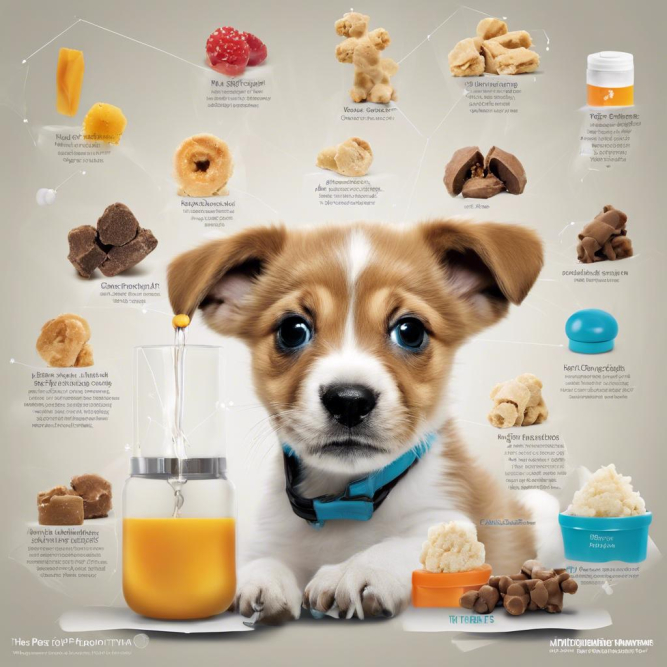
As puppies under the age of 3 months experience rapid growth and development, the nutritional needs of these young canines are of utmost importance. Selecting appropriate treats for puppies in this critical stage is essential for supporting their health and well-being. In this article, we will explore the most effective and suitable treats for puppies under 3 months, based on scientific research and nutritional guidelines. Understanding the optimal treats for these young dogs is fundamental in ensuring their optimal growth and development during this formative period.
Table of Contents
- Ideal treats for puppies under 3 months old: A nutritional guide
- Understanding the nutritional needs of puppies in their early months
- Ingredients to look for in puppy treats: A comprehensive analysis
- The importance of chewable treats for teething puppies
- Recommended portion sizes and feeding frequency for young puppies
- The potential risks of giving inappropriate treats to young puppies
- Best practices for introducing new treats into a young puppy’s diet
- Q&A
- In Retrospect
Ideal treats for puppies under 3 months old: A nutritional guide
Puppies under 3 months old have very specific nutritional needs, and treats play an important role in their diet. When it comes to choosing the ideal treats for young puppies, it’s essential to prioritize nutrition over flavor or convenience. Here’s a nutritional guide to help you select the best treats for your little fur baby.
Nutritional Considerations:
- Protein: Look for treats that are high in quality protein, such as chicken, turkey, or beef. Protein is essential for the growth and development of your puppy’s muscles, bones, and organs.
- Healthy Fats: Opt for treats that contain healthy fats, like omega-3 fatty acids, which support brain development and promote a healthy coat and skin.
- Vitamins and Minerals: Choose treats that are fortified with vitamins and minerals, such as calcium, phosphorus, and vitamin D, to support your puppy’s overall health and development.
Ideal Treat Options:
- Freeze-Dried Meat Treats: These treats are high in protein and retain much of their nutritional value due to the gentle drying process. They are available in a variety of flavors and are easy for little puppies to chew.
- Soft Training Treats: Look for soft treats that are small in size and easy to chew. These treats are perfect for training sessions and can be broken into smaller pieces for portion control.
- Dental Chews: As your puppy’s teeth start to come in, dental chews can help promote healthy chewing habits and support oral health. Look for options specifically designed for puppies to ensure they are not too hard for their developing teeth.
When choosing treats for puppies under 3 months old, it’s crucial to prioritize their nutritional needs and select options that are appropriate for their age and stage of development. By keeping these considerations in mind, you can ensure that your puppy receives the essential nutrients they need to grow into a happy and healthy adult dog.
Understanding the nutritional needs of puppies in their early months
The nutritional needs of puppies in their early months are crucial for their growth and development. Puppies under 3 months are in a rapid growth phase, and it’s essential to provide them with the right balance of nutrients to support their overall health. Protein is a key component in their diet, as it aids in muscle development and tissue repair. Additionally, puppies require a higher amount of fat in their diet compared to adult dogs for energy and to support healthy brain development. When choosing treats for puppies under 3 months, it’s important to look for options that are specifically designed for their nutritional requirements.
When selecting treats for young puppies, it’s important to consider the following factors:
- Nutritional value: Look for treats that are high in protein and healthy fats to support their growth and development.
- Size and texture: Choose treats that are small and soft, as puppies have delicate teeth and gums that are still developing.
- Allergens: Avoid treats that contain common allergens such as wheat, soy, and corn, as puppies may be more sensitive to these ingredients.
- Nourishment: Opt for treats that provide added vitamins and minerals to support their overall health and immune system.
It’s also crucial to avoid overfeeding puppies with treats, as excessive treats can lead to nutritional imbalances and obesity. Be mindful of the number of treats given to your puppy each day and consider incorporating them into their daily calorie intake to ensure they are not consuming too many extra calories. By and selecting the right treats, you can help support their growth and overall well-being.
Ingredients to look for in puppy treats: A comprehensive analysis
When it comes to choosing the right treats for puppies under 3 months, it’s essential to pay close attention to the ingredients in the treats. Not all treats are created equal, and some may contain harmful ingredients that could potentially harm your young puppy. Here is a comprehensive analysis of the ingredients to look for in puppy treats to ensure that they are safe and healthy for your young canine companion.
1. Protein sources: Look for treats that have high-quality protein sources such as chicken, turkey, or beef. These protein sources are essential for the growth and development of your puppy’s muscles and overall health. Avoid treats that have unclear or unspecified protein sources, as these could potentially contain low-quality or questionable meat.
2. Natural ingredients: Opt for treats that are made with natural ingredients and avoid those that contain artificial preservatives, colors, or flavors. Natural ingredients like fruits, vegetables, and whole grains provide essential nutrients and are generally easier for puppies to digest.
3. Limited ingredients: Choose treats with a limited number of ingredients, as this reduces the likelihood of unnecessary fillers and potential allergens. Treats with a short and simple ingredient list are often a safer choice for puppies with sensitive stomachs or allergies.
In summary, the right puppy treats for puppies under 3 months should contain high-quality protein sources, natural ingredients, and have a limited number of ingredients. By carefully examining the ingredients in the treats you choose, you can ensure that your young puppy is getting the best possible nutrition and minimize the risk of potential health issues.
The importance of chewable treats for teething puppies
Chewable treats for teething puppies play a crucial role in providing relief and comfort during the challenging phase of puppy teething. Puppies start teething at around 3-4 months of age, and this process can be uncomfortable and sometimes painful for them. Offering appropriate chewable treats helps to soothe their gums, alleviate discomfort, and discourage them from chewing on inappropriate items such as furniture or shoes.
Chewable treats for teething puppies are designed to be softer than regular treats, making them easier for puppies to chew and digest. These treats are often formulated with natural ingredients that are gentle on a puppy’s delicate digestive system and promote healthy development. Additionally, chewable treats can satisfy a puppy’s natural instinct to chew, which is important for maintaining good dental health and preventing destructive chewing behavior. When choosing chewable treats for teething puppies, look for options that are specifically labeled as suitable for puppies under 3 months of age, as these will be softer and more gentle on their developing teeth and gums.
When introducing chewable treats to teething puppies, it’s important to supervise them to ensure they are chewing safely and not at risk of choking. Another aspect to consider is the size and texture of the treats, as they should be appropriate for a puppy’s small mouth and sensitive gums. In addition to providing relief during teething, chewable treats can also be used as a training tool to reinforce positive behaviors and encourage good dental habits. Overall, cannot be overstated, as they play a vital role in supporting a puppy’s health, well-being, and development during this crucial stage of their early life.
Recommended portion sizes and feeding frequency for young puppies
When it comes to feeding young puppies, it’s important to ensure they are getting the right portion sizes and feeding frequency to support their growth and development. Puppies under 3 months of age have specific nutritional needs that must be met to ensure they are healthy and happy. Here are some recommendations for portion sizes and feeding frequency for young puppies.
Portion Sizes
For puppies under 3 months of age, it’s recommended to feed them small, frequent meals throughout the day. A good rule of thumb for portion sizes is to provide about a 1/4 to 1/2 cup of high-quality puppy food per meal, depending on the breed and size of the puppy. It’s important to consult with your veterinarian to determine the specific portion sizes that are appropriate for your puppy based on their individual needs.
Feeding Frequency
Young puppies have high energy levels and require frequent feeding to support their growth and development. It’s recommended to feed puppies under 3 months of age about 3-4 meals per day. This helps to provide them with a steady source of energy and ensures they are getting the nutrients they need to thrive.
The potential risks of giving inappropriate treats to young puppies
Giving treats to young puppies can be a great way to reinforce positive behavior and bond with your new furry friend. However, it’s essential to choose appropriate treats that are safe and nutritious for puppies under 3 months old. Giving inappropriate treats can pose potential risks to their health and development.
One potential risk of giving inappropriate treats to young puppies is the risk of choking. Puppies under 3 months old have small mouths and developing teeth, making them more susceptible to choking on large or hard treats. To minimize this risk, it’s crucial to choose soft, bite-sized treats that are easy for them to chew and swallow. Avoid giving puppies treats that are too large or hard. Opt for softer treats that are specifically designed for young puppies.
Another potential risk of giving inappropriate treats to young puppies is the risk of digestive upset. Puppies have delicate digestive systems, and giving them treats that are high in fat, sugar, or artificial ingredients can lead to stomach discomfort, diarrhea, or other digestive issues. It’s important to select treats that are specifically formulated for puppies and made from high-quality, natural ingredients. Look for treats that are low in fat and free from artificial flavors, colors, and preservatives to avoid digestive upset in young puppies.
In summary, while treats can be a valuable tool for training and bonding with young puppies, it’s important to be mindful of the potential risks associated with giving inappropriate treats. By choosing soft, bite-sized treats that are gentle on their developing digestive systems, you can safely reward your puppy and encourage positive behavior without compromising their health and well-being.
Best practices for introducing new treats into a young puppy’s diet
When introducing new treats into a young puppy’s diet, it is essential to follow best practices to ensure their overall health and well-being. This is particularly important for puppies under 3 months old, as their digestive systems are still developing and can be sensitive to new foods. Here are some best practices to consider when introducing new treats to a young puppy:
1. Gradual Introduction:
It is crucial to introduce new treats to a young puppy’s diet gradually. Start by offering small amounts of the new treat and observe how the puppy responds. If there are no adverse reactions, you can gradually increase the amount over time. This approach helps to minimize the risk of digestive upset and allows the puppy to adjust to the new treat more easily.
2. Nutritional Value:
When selecting treats for puppies under 3 months old, it is important to consider the nutritional value of the treat. Look for treats that are specifically formulated for young puppies and contain high-quality ingredients. Ideally, the treats should provide a balance of protein, healthy fats, and essential nutrients to support the puppy’s growth and development.
3. Size and Texture:
The size and texture of the treats are also important factors to consider. For young puppies, it is best to select treats that are small in size and have a soft, chewy texture. This makes it easier for the puppy to chew and digest the treat, reducing the risk of choking or digestive issues. Avoid treats that are too hard or large, as they may be difficult for the puppy to consume safely.
In summary, introducing new treats into a young puppy’s diet requires careful consideration of factors such as gradual introduction, nutritional value, and size/texture. By following these best practices, you can help ensure that the puppy’s transition to new treats is smooth and beneficial for their overall health and well-being.
Q&A
What are the best treats for puppies under 3 months?
When it comes to treats for puppies under 3 months, it’s important to be mindful of their developing digestive systems. Look for treats that are specifically designed for young puppies, as they will be gentle on their stomachs and easy for them to chew. Soft, small, and easily digestible treats are ideal for puppies at this age. Avoid treats that are too hard or large, as they may pose a choking hazard or be difficult for your puppy to consume.
What ingredients should I look for in treats for puppies under 3 months?
When selecting treats for young puppies, it’s important to choose ones that are made with high-quality, natural ingredients. Look for treats that are free from artificial colors, flavors, and preservatives. Opt for treats that are low in fat and sugar to support your puppy’s overall health and well-being. Additionally, treats that contain nutrient-rich ingredients such as real meat, fruits, and vegetables can provide added health benefits for your growing puppy.
What treats should I avoid giving to my puppy?
While there are many treats that are safe and beneficial for puppies under 3 months, there are also some that should be avoided. Avoid giving your puppy treats that are high in fat, sugar, or sodium, as these can be harmful to their developing bodies. Additionally, steer clear of treats that contain artificial additives and fillers. It’s best to opt for treats that are specifically formulated for young puppies and to avoid giving them human food as treats, as some foods can be toxic to dogs. Always consult with your veterinarian if you have any concerns about which treats are safe for your puppy.
In Retrospect
In conclusion, it is crucial to provide puppies under 3 months with appropriate treats that are not only delicious but also safe and nutritionally balanced. By understanding the specific needs of young puppies and selecting treats that are suitable for their age and development, we can contribute to their overall health and well-being. It is recommended to consult a veterinarian before introducing any new treats into a puppy’s diet, and to always monitor their reaction to ensure they are receiving the best possible care. As research in this area continues to evolve, it is important to stay informed and make informed decisions when it comes to treating our youngest canine companions.

