



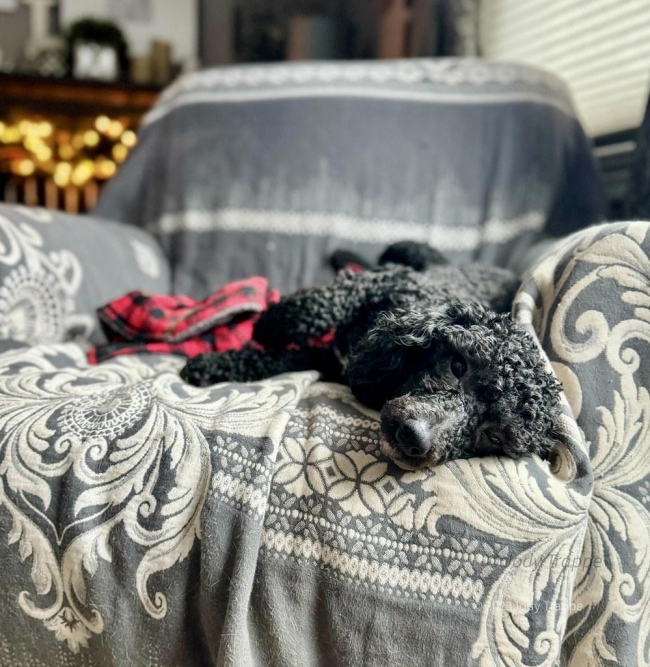
In recent years, the mini poodle has gained popularity among dog enthusiasts due to its hypoallergenic qualities. As individuals with pet allergies continue to seek out hypoallergenic breeds, the mini poodle has emerged as a top choice for those in need of a furry companion that won’t trigger their allergies. In this article, we will explore the hypoallergenic nature of the mini poodle and provide a comprehensive analysis of its suitability for allergy sufferers.
Table of Contents
- Key Characteristics of Mini Poodle Hypoallergenic Coat
- Understanding the Genetic Basis of Mini Poodles’ Hypoallergenic Qualities
- Effective Grooming and Maintenance Tips for Allergy Sufferers
- Choosing the Right Mini Poodle for Allergy-Friendly Companionship
- Q&A
- Concluding Remarks
Key Characteristics of Mini Poodle Hypoallergenic Coat
Mini Poodles are a popular choice for people with allergies due to their hypoallergenic coat. The key characteristics of the Mini Poodle’s hypoallergenic coat include:
**1. Curly and Dense Fur**: Mini Poodles have a curly and dense coat that helps to trap allergens and dander, preventing them from circulating in the air and causing allergic reactions.
**2. Low Shedding**: Mini Poodles are known for their minimal shedding, which means there is less loose hair and dander in the environment, reducing the likelihood of triggering allergies.
**3. Low Dander Production**: Poodles produce less dander compared to other breeds, making them a suitable option for individuals with allergies.
In addition to their hypoallergenic coat, Mini Poodles are also highly intelligent, affectionate, and trainable, making them great companions for allergy sufferers. If you’re considering a dog but have allergies, a Mini Poodle could be the perfect choice for you.
Understanding the Genetic Basis of Mini Poodles’ Hypoallergenic Qualities
Mini poodles are a popular choice for pet owners who suffer from allergies due to their hypoallergenic qualities. These qualities are primarily attributed to the genetic makeup of the breed. can provide valuable insights for both breeders and pet owners.
One key factor in the hypoallergenic nature of mini poodles is their non-shedding coat. This is due to a genetic trait that causes their hair to grow continuously, similar to human hair, rather than going through shedding cycles like many other dog breeds. Additionally, mini poodles produce less dander, which is a common allergen, compared to other breeds. This reduction in dander production is linked to specific genetic variations that affect the skin and coat of the mini poodle.
Furthermore, mini poodles also have a lower level of a certain protein present in their saliva and urine, which can also trigger allergies in some individuals. This genetic characteristic makes them a more suitable choice for those with sensitivities to pet dander. By delving into the genetic basis of mini poodles’ hypoallergenic qualities, breeders can make informed decisions to selectively breed for these traits, ultimately producing more hypoallergenic mini poodles for individuals and families seeking a pet that won’t exacerbate their allergies.
Effective Grooming and Maintenance Tips for Allergy Sufferers
Understanding Hypoallergenic Mini Poodles
If you are an allergy sufferer but also a dog lover, you might have considered getting a mini poodle. Mini poodles are often touted as a hypoallergenic breed, meaning they are less likely to trigger allergies in people. This is due to their minimal shedding and low dander production, making them a popular choice for allergy sufferers.
However, it’s important to note that no dog breed is completely hypoallergenic. While mini poodles may be a better option for allergy sufferers, it’s still crucial to take proper grooming and maintenance measures to minimize potential allergens in your home. Here are some effective tips to keep your mini poodle and your living space allergy-friendly:
- Regular Bathtime: Bathe your mini poodle regularly to remove dander and other allergens from their coat.
- Brushing: Brush your mini poodle’s coat frequently to reduce shedding and dander buildup.
- Trimming: Keep your mini poodle’s hair trimmed to minimize shedding and allergen distribution.
- House Cleaning: Regularly clean your home, including vacuuming furniture and floors, to remove any loose pet hair and dander.
| Effectiveness | |
|---|---|
| Regular Bathtime | High |
| Brushing | Medium |
| Trimming | High |
| House Cleaning | High |
By following these grooming and maintenance tips, you can enjoy the companionship of a mini poodle without compromising your allergies. Remember to consult with a professional groomer or veterinarian for personalized advice on caring for your mini poodle to ensure the best results.
Choosing the Right Mini Poodle for Allergy-Friendly Companionship
The Mini Poodle is a popular choice for those seeking an allergy-friendly companion. Their hypoallergenic coat and minimal shedding make them an excellent option for individuals or families with allergies. When , there are several factors to consider.
First, it’s important to understand that while no dog is completely hypoallergenic, the Mini Poodle’s curly, non-shedding coat produces less dander than other breeds, making them a more suitable option for allergy sufferers. Additionally, their smaller size makes them ideal for apartment or small living spaces.
When selecting a Mini Poodle, it’s essential to consider the individual dog’s temperament and energy level. Look for a Mini Poodle with a calm, even-tempered demeanor, as this will likely result in fewer allergy-related symptoms. Additionally, a Mini Poodle with a lower energy level may produce less dander, further reducing the risk of allergic reactions. **When choosing a Mini Poodle for allergies, consider the following factors:**
– Coat type: Opt for a Mini Poodle with a curly, non-shedding coat to minimize dander and allergens in the home.
– Temperament: Look for a Mini Poodle with a calm, even-tempered disposition to reduce the risk of allergy-related symptoms.
– Energy level: Select a Mini Poodle with a lower energy level, as this may result in less dander production and fewer allergic reactions.
In summary, when seeking an allergy-friendly companion, the Mini Poodle is an excellent choice due to their hypoallergenic coat and minimal shedding. By considering factors such as coat type, temperament, and energy level, you can choose the right Mini Poodle for a loving and allergy-friendly addition to your home.
Q&A
Q: Are mini poodles hypoallergenic?
A: Yes, mini poodles are considered hypoallergenic dogs. They have a non-shedding coat, which means they produce less dander and are less likely to trigger allergic reactions in humans.
Q: What makes mini poodles hypoallergenic?
A: Mini poodles have a dense, curly coat that traps the majority of their shedding hair and dander, reducing the amount of allergens that are released into the environment.
Q: Is there such thing as a completely hypoallergenic dog?
A: While no dog breed is completely hypoallergenic, some breeds, like the mini poodle, produce fewer allergens and are therefore considered better options for individuals with allergies.
Q: Are mini poodles a good choice for individuals with allergies?
A: Yes, mini poodles can be a great choice for individuals with allergies. Their hypoallergenic coat and minimal shedding make them less likely to trigger allergic reactions.
Q: How should mini poodle owners manage potential allergens?
A: To further minimize allergens, mini poodle owners should regularly groom and bathe their dogs, and keep their living spaces clean and well-ventilated.
Q: Can mini poodles still cause allergic reactions in some individuals?
A: While mini poodles are considered hypoallergenic, it’s important to note that individual reactions to dogs can vary. Some people may still experience allergic reactions to mini poodles, albeit to a lesser extent than with other breeds.
Concluding Remarks
In conclusion, the mini poodle is widely considered to be a hypoallergenic breed due to its minimal shedding and low dander production. While no dog breed can truly be hypoallergenic for all individuals, mini poodles are often a great option for those who suffer from allergies. Their intelligence, adaptability, and loving nature make them an excellent choice for a hypoallergenic companion. It is important to note that individual reactions may vary, and it is always best to spend time with a mini poodle before making a final decision. Overall, the mini poodle is a fantastic choice for allergy sufferers looking for a smaller, hypoallergenic dog to welcome into their homes.

