



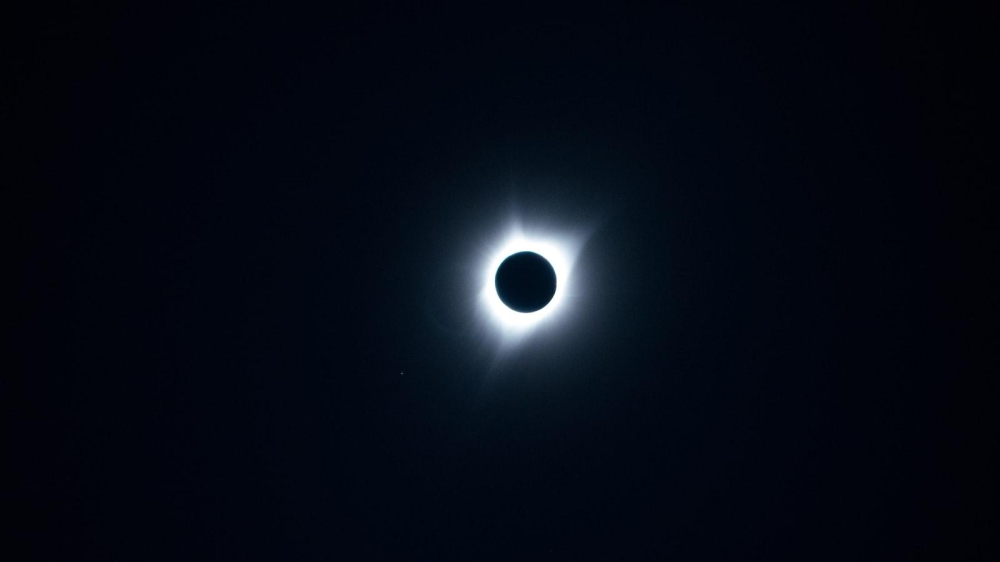
As the moon moves in front of the sun, casting a surreal shadow across the sky, many expectant mothers may wonder: are eclipses harmful during pregnancy? Let’s explore the potential effects and whether pregnant women need to take any precautions during these celestial events.
Table of Contents
- Are Eclipse Harmful to Pregnant Mothers?
- Understanding the Potential Risks
- Expert Recommendations for Safe Viewing
- Precautions for Expecting Mothers during Solar Eclipses
- Q&A
- To Wrap It Up
Are Eclipse Harmful to Pregnant Mothers?
Many cultures have long-held beliefs about the potential dangers of solar and lunar eclipses on pregnant women. There are several common myths and misconceptions about this celestial event and its impact on expecting mothers. Let’s explore whether there is any scientific evidence to support these claims and whether pregnant women should be concerned about eclipses.
According to experts, there is no scientific basis to suggest that eclipses pose any direct harm to pregnant women. The primary concern during an eclipse is the potential damage to the eyes from staring directly at the sun, which can occur regardless of pregnancy. It’s important for pregnant women (like everyone else) to use proper eye protection when viewing an eclipse to avoid any potential eye damage. Overall, there is no need for expecting mothers to fear the eclipse, as there is no evidence to support the idea that it poses a specific risk to their health or the health of their baby.
Understanding the Potential Risks
Pregnant mothers may be concerned about the potential risks of experiencing a solar or lunar eclipse. While there is not enough scientific evidence to suggest that eclipses are inherently harmful to pregnant women, it is important to consider certain factors that may pose risks during these celestial events.
Potential Risks to Consider:
- Increased stress and anxiety levels during the eclipse event
- Exposure to harmful rays while watching the eclipse without proper eye protection
- Disruption of sleep patterns due to changes in natural light during the eclipse
It’s essential for pregnant women to prioritize their well-being and consult with a healthcare professional if they have concerns about viewing an eclipse during pregnancy. Taking necessary precautions, such as using certified eye protection and maintaining a calm and safe environment, can help mitigate any potential risks associated with eclipses.
Expert Recommendations for Safe Viewing
Pregnant mothers often have concerns about the safety of viewing eclipses, but experts assure that with proper precautions, it can be done safely. Here are some during pregnancy:
- Use proper eye protection: Always use certified eclipse glasses or viewer to protect your eyes from the harmful rays of the sun during an eclipse.
- Avoid prolonged exposure: Limit the time you spend viewing the eclipse to reduce the risk of eye strain and potential harm to your eyes.
- Stay hydrated and comfortable: Make sure to stay well-hydrated and take breaks to rest and adjust your position to avoid discomfort.
| Recommended | Avoid |
|---|---|
| Using certified eclipse glasses | Looking at the sun with the naked eye |
| Watching the eclipse for short periods | Prolonged exposure to the sun |
By following these recommendations, pregnant mothers can safely enjoy the beauty of an eclipse and witness this rare celestial event without putting their health at risk.
Precautions for Expecting Mothers during Solar Eclipses
It’s natural for expecting mothers to be concerned about the potential effects of solar eclipses on their pregnancies. While there is no definitive scientific evidence to suggest that eclipses are harmful to pregnant women, it’s always best to take precautions just to be safe. Here are a few things that expecting mothers can do during a solar eclipse:
- Avoid direct viewing: Just as you would protect your eyes during a solar eclipse, it’s also a good idea to avoid looking directly at the sun during pregnancy. Use approved solar viewing glasses or indirect viewing methods to observe the eclipse safely.
- Stay indoors: If you’re concerned about the potential impact of the eclipse on your pregnancy, you can choose to stay indoors during the event. This can provide an extra layer of protection and peace of mind.
- Seek medical advice: If you have any concerns about the potential effects of a solar eclipse on your pregnancy, consult with your healthcare provider for personalized guidance and advice.
While there’s no need for undue worry, taking these simple precautions can help ease any concerns and ensure a safe and enjoyable experience of witnessing a solar eclipse during pregnancy. Always remember to prioritize your health and well-being during this special time.
Q&A
Q: Are eclipses bad for pregnant mothers?
A: While some cultures believe that eclipses can harm pregnant women and their babies, there is no scientific evidence to support this belief.
Q: Can pregnant women safely observe an eclipse?
A: Yes, pregnant women can safely observe an eclipse as long as they take the same precautions as anyone else, such as using proper eye protection.
Q: What precautions should pregnant women take during an eclipse?
A: Pregnant women should use proper eye protection, avoid looking directly at the sun, and stay indoors if they prefer not to observe the eclipse.
To Wrap It Up
In conclusion, while the effects of eclipses on pregnant mothers are not entirely clear, it is always best to err on the side of caution. If you are pregnant and concerned about viewing an eclipse, it is recommended to consult with a healthcare professional for personalized advice. As more research is conducted on this topic, we hope to gain a clearer understanding of the potential impact of eclipses on pregnant women.

