



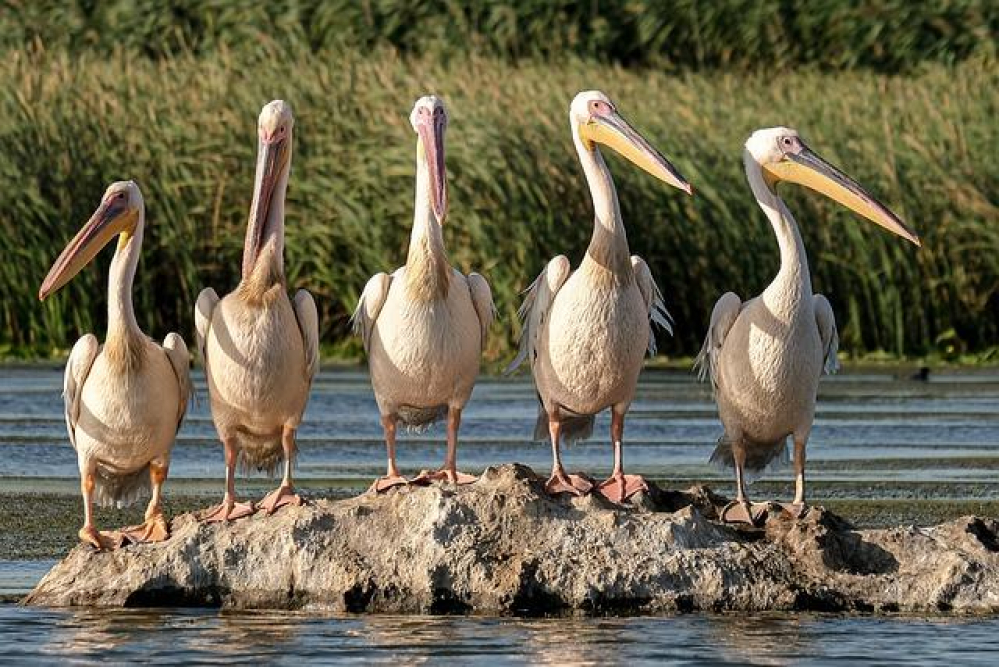
Wildlife conservation is a pressing issue worldwide as habitats continue to be destroyed and species become increasingly threatened. It is crucial to understand the goal of wildlife conservation and the importance of protecting and preserving our natural world. This article aims to explore the primary objectives of wildlife conservation and the ways in which it can contribute to the preservation of our planet’s biodiversity.
Table of Contents
- The Importance of Wildlife Conservation
- Preserving Biodiversity and Ecosystems
- Balancing Human Activities and Wildlife Protection
- Strategies for Effective Wildlife Conservation
- Q&A
- In Summary
The Importance of Wildlife Conservation
The goal of wildlife conservation is to protect and preserve the natural habitats of various animal and plant species, ensuring their survival for future generations. By conserving wildlife, we aim to maintain biodiversity and ecological balance, as well as to safeguard the many benefits that the natural world provides to humans.
Key objectives of wildlife conservation include:
- Habitat Protection: Preserving the diverse ecosystems that support a wide range of wildlife species, including forests, wetlands, and grasslands.
- Species Preservation: Preventing the extinction of endangered and vulnerable species through targeted conservation efforts and sustainable management.
- Education and Awareness: Raising public awareness about and promoting responsible behavior towards the environment.
| Conservation Goals | Methods |
|---|---|
| Habitat Protection | Establishing protected areas, implementing land-use planning, and reducing habitat fragmentation. |
| Species Preservation | Implementing breeding programs, monitoring populations, and combating poaching and illegal trade. |
| Education and Awareness | Creating educational programs, conducting outreach activities, and advocating for conservation policies. |
Preserving Biodiversity and Ecosystems
The goal of wildlife conservation is to protect and preserve the natural habitats of plants and animals, while also ensuring the long-term survival of different species. By , conservation efforts aim to maintain the balance of nature and prevent the extinction of various plants and animals. Here are some specific objectives of wildlife conservation:
- Protecting endangered species from extinction
- Preserving natural habitats and ecosystems
- Restoring and rehabilitating degraded ecosystems
- Reducing human-wildlife conflicts
Through these objectives, wildlife conservation seeks to promote sustainable development and ensure that future generations can continue to enjoy the beauty and diversity of our natural world.
Balancing Human Activities and Wildlife Protection
The goal of wildlife conservation is to maintain the delicate balance between human activities and the protection of natural habitats and species. This involves ensuring that human activities do not negatively impact wildlife populations, and that wildlife populations are able to thrive in their natural environments. Ultimately, the aim of wildlife conservation is to preserve biodiversity and ensure the long-term survival of various species.
To achieve the goal of wildlife conservation, there are several key objectives that must be met:
– **Habitat Protection**: One of the primary goals of wildlife conservation is to protect and preserve natural habitats that are critical for the survival of wildlife species. This may involve creating wildlife sanctuaries, national parks, or other protected areas where human activities are limited to minimize disturbance to wildlife habitats.
– **Species Management**: Wildlife conservation efforts also focus on managing and protecting specific species that are at risk of extinction. This may involve captive breeding programs, habitat restoration, and efforts to reduce threats such as poaching and habitat destruction.
– **Public Education and Awareness**: Another important goal of wildlife conservation is to educate the public about the importance of preserving and protecting wildlife. This may involve raising awareness about the impacts of human activities on wildlife, promoting sustainable practices, and advocating for policies and regulations that support wildlife conservation efforts.
Strategies for Effective Wildlife Conservation
The goal of wildlife conservation is to protect and preserve the diverse range of animal and plant species that populate our planet. This includes ensuring that these species are able to thrive in their natural habitats, as well as preventing their extinction due to human activities and environmental factors.
Effective wildlife conservation aims to achieve the following:
- Preserve biodiversity and ecological balance
- Protect endangered species and their habitats
- Ensure sustainable use of natural resources
- Minimize human-wildlife conflicts
Q&A
Q: What is the goal of wildlife conservation?
A: The goal of wildlife conservation is to protect and preserve wild animal and plant species and their habitats.
Q: Why is wildlife conservation important?
A: Wildlife conservation is important for maintaining biodiversity, ecological balance, and the overall health of our planet. It also helps to support local communities that rely on natural resources.
Q: How is wildlife conservation achieved?
A: Wildlife conservation is achieved through a combination of measures such as habitat protection, restoration, wildlife management, and public education.
Q: Who is responsible for wildlife conservation?
A: Wildlife conservation is a shared responsibility among governments, non-governmental organizations, scientists, local communities, and individuals. All have a role to play in conserving and protecting wildlife.
Q: What are the challenges of wildlife conservation?
A: Challenges include habitat loss, poaching, climate change, and human-wildlife conflict. These challenges require collaborative efforts to address and overcome.
Q: What can individuals do to contribute to wildlife conservation?
A: Individuals can contribute to wildlife conservation by supporting conservation organizations, participating in eco-friendly practices, advocating for wildlife protection, and educating themselves and others about the importance of conservation.
In Summary
In conclusion, the goal of wildlife conservation is to protect and preserve the diversity of plant and animal species, as well as their natural habitats. By implementing conservation efforts, we can ensure the long-term survival of these species and maintain the balance of ecosystems. By understanding the importance of wildlife conservation, we can work towards creating a sustainable future for both wildlife and humans. It is crucial for individuals, communities, and governments to come together to support and contribute to conservation initiatives in order to achieve this goal. Together, we can make a positive impact on the world’s biodiversity and protect the invaluable ecological services that wildlife provides.

