



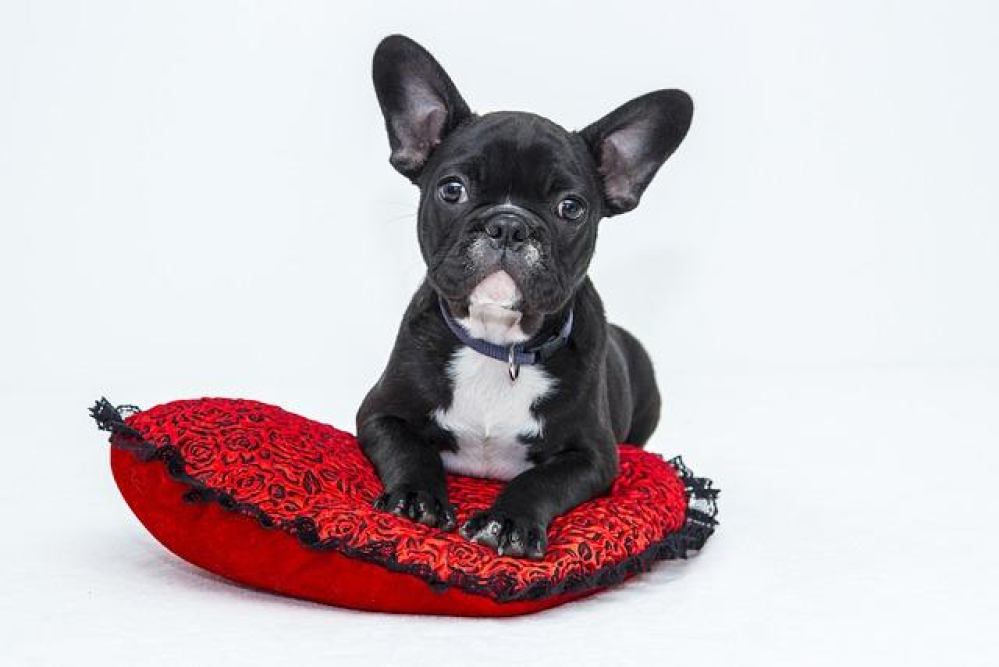
It can be quite challenging to deal with an energetic puppy, especially when they are constantly bouncing off the walls and seem unable to calm down. Training a puppy to relax and stay calm is an important skill for both the pet and the owner. There are various techniques and approaches that can be utilized to help calm down a hyperactive puppy. In this article, we will explore effective methods for calming down your puppy and provide valuable tips on how to establish a calm and well-behaved pet.
Table of Contents
- Understanding Your Puppy’s Behavior
- Identifying Triggers for Excitement
- Creating a Calming Environment
- Physical and Mental Exercise for Relaxation
- Positive Reinforcement Training Techniques
- Q&A
- Future Outlook
Understanding Your Puppy’s Behavior
When it comes to calming down your puppy, understanding their behavior is crucial. Puppies, like human babies, can become easily overwhelmed and anxious. By recognizing the signs of stress in your puppy, you can address the root cause of their behavior and help them feel calmer and more secure.
Here are a few tips to help calm your puppy down:
**1. Create a Safe and Comfortable Environment**
– Provide a cozy bed or crate for your puppy to retreat to when they’re feeling overwhelmed.
– Use calming pheromone diffusers or sprays to help create a relaxing atmosphere in your home.
**2. Establish a Routine**
– Dogs thrive on routine and structure. Set a consistent schedule for feeding, walks, and playtime to help your puppy feel more secure and less anxious.
**3. Provide Mental and Physical Stimulation**
– Make sure your puppy is getting enough exercise and mental stimulation to help burn off excess energy and reduce anxiety.
– Offer puzzle toys and interactive games to keep their minds engaged and focused.
By incorporating these strategies into your puppy’s daily routine, you can help them feel more at ease and less prone to anxious behavior. and addressing their needs is key to creating a calm and happy environment for both you and your furry companion.
Identifying Triggers for Excitement
Your puppy’s excitement can often become overwhelming, but understanding the triggers for their hyperactive behavior can help you address it effectively. Identifying what gets your puppy all riled up is the first step in learning how to calm them down. With a bit of observation and patience, you can determine the specific triggers that get your furry friend overly excited and develop strategies to manage their energy levels.
Some common triggers for excitement in puppies include new people, other animals, loud noises, playtime, and changes in routine. By recognizing these triggers, you can work on desensitizing your puppy to them and teaching them to remain calm in the face of excitement. Additionally, addressing any underlying issues, such as lack of physical and mental stimulation, can also help in calming your puppy down. Providing them with regular exercise, interactive toys, and mental stimulation can reduce their overall level of excitement and prevent outbursts of hyperactivity. Remember, patience is key when training your puppy to stay calm, and consistency is crucial for long-term success.
Creating a Calming Environment
for your puppy is essential for its well-being and overall behavior. There are several ways to create a serene and soothing atmosphere that can help calm your hyperactive puppy:
First, consider the physical environment. Ensure that your puppy’s living space is clean, clutter-free, and comfortable. Provide a cozy bed, soft blankets, and soothing toys to create a sense of security and relaxation. Additionally, consider the following elements to create a calming physical environment:
– Soft lighting: Avoid bright, harsh lights and opt for soft, warm lighting to create a peaceful ambiance.
– Pleasant scents: Use essential oils or natural air fresheners to create a calming aroma in your puppy’s environment. Lavender, chamomile, and vanilla are known for their soothing properties and can help relax your puppy.
– Quiet surroundings: Keep the noise level low by minimizing loud noises and creating a peaceful atmosphere in your home.
In addition to the physical environment, consider incorporating calming activities into your puppy’s routine. Engage in activities that promote relaxation and provide mental stimulation for your puppy, such as:
– Gentle massage: Massaging your puppy can help release tension and promote relaxation. Use slow, gentle strokes to help calm your puppy down.
– Mindful playtime: Engage in activities that encourage mindfulness and focus, such as puzzle toys or interactive games that require mental stimulation.
By and incorporating relaxing activities into your puppy’s routine, you can help alleviate stress and anxiety, leading to a happier and more balanced pet.
Physical and Mental Exercise for Relaxation
When it comes to calming down a puppy, physical and mental exercises can be incredibly beneficial. By incorporating a combination of activities that promote relaxation, you can help your puppy maintain a balanced state of mind.
Here are some ways to incorporate physical and mental exercise into your puppy’s routine for relaxation:
- Outdoor walks: Take your puppy for regular walks to help them burn off excess energy and stimulate their mind with new sights and smells.
- Mental stimulation: Engage your puppy in puzzle toys, obedience training, and interactive games to keep their brain active and prevent boredom.
- Yoga and massage: Incorporate gentle yoga poses and massage techniques to help relax your puppy’s body and mind.
Creating a balanced routine that includes both physical and mental exercises will not only help calm your puppy down, but also strengthen your bond and promote overall well-being.
Positive Reinforcement Training Techniques
When it comes to calming down a puppy, can be very effective. These techniques focus on rewarding good behavior rather than punishing bad behavior, which can help to create a calm and well-behaved pet. Here are some that can help you calm your puppy down:
Consistency
Consistency is key when it comes to positive reinforcement training. Make sure that everyone in the household is on the same page and using the same commands and rewards for good behavior. This will help your puppy learn what is expected of them and what behaviors will be rewarded.
Rewards
Using rewards such as treats, praise, and toys can be a powerful tool for calming down a puppy. When your puppy exhibits calm behavior, be sure to reward them promptly. This will help them associate calm behavior with positive outcomes.
Timeouts
If your puppy is displaying hyperactive behavior, it can be helpful to use timeouts as a form of positive reinforcement. When your puppy gets too excitable, calmly and gently remove them from the situation and place them in a quiet area for a few minutes. This can help them learn that overexcitement will result in a loss of attention and playtime.
Using these can help to calm down your puppy and teach them how to behave in a calm and controlled manner. With patience and consistency, you can train your puppy to be a well-behaved and calm pet.
Q&A
Q: Why is my puppy constantly hyper and rambunctious?
A: Puppies are naturally full of energy and curiosity, which can lead them to be hyper and rambunctious. Additionally, they may not have learned how to properly channel their energy and may lack training and discipline.
Q: How can I calm my puppy down when they are overly excited?
A: Several techniques can help calm down an overly excited puppy, including providing regular exercise, mental stimulation, creating a calm environment, and using positive reinforcement training methods.
Q: What type of exercise is best for calming down a hyper puppy?
A: Physical activities such as brisk walks, play sessions, and interactive toys can help burn off excess energy in a puppy. Mental stimulation, such as puzzle toys and training exercises, can also tire out a puppy and help calm them down.
Q: How can I create a calm environment for my puppy?
A: Providing a designated quiet space for your puppy, using soothing music or white noise, and maintaining a consistent schedule for feeding, playtime, and rest can help create a calming environment for a puppy.
Q: What are positive reinforcement training methods and how can they help calm down a puppy?
A: Positive reinforcement involves rewarding good behavior with treats, praise, or toys, while ignoring or redirecting unwanted behavior. This method helps puppies learn desired behaviors and can contribute to a calmer demeanor overall.
Q: Are there any natural remedies or supplements that can help calm a hyper puppy?
A: Some natural remedies, such as essential oils and herbal supplements, may have calming effects on puppies. However, it’s important to consult with a veterinarian before using any alternative remedies to ensure they are safe and appropriate for your puppy.
Q: How long does it take for a puppy to calm down and mature?
A: The time it takes for a puppy to calm down and mature varies depending on the breed and individual puppy. Typically, puppies start to mellow out and become less hyper as they reach adulthood, usually between 1-2 years of age. Consistent training, exercise, and socialization can help speed up this process.
Future Outlook
In conclusion, calming down a puppy can be a challenging task, but with consistency, patience, and positive reinforcement, it is certainly achievable. By understanding your puppy’s needs, providing them with proper exercise, mental stimulation, and creating a calm and secure environment, you can help manage their energy levels and support their overall well-being. Remember that every puppy is unique, and it may take time to find the best approach for your individual pet. Stay calm, be patient, and seek guidance from a professional trainer or veterinarian if you encounter any difficulties. With time and effort, you can help your puppy develop into a well-behaved and balanced companion.

