



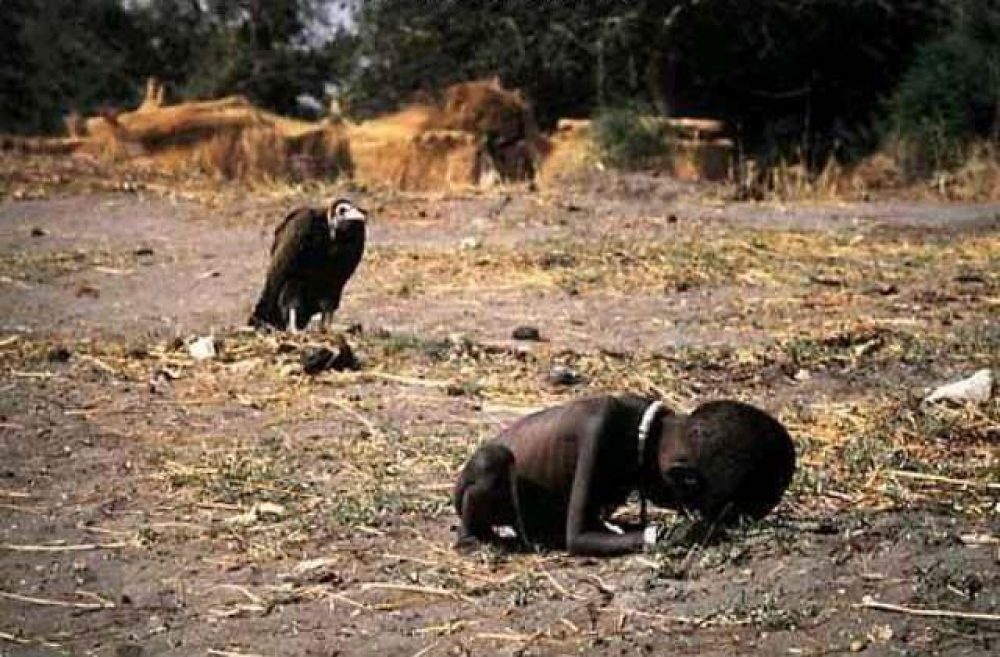
Hey there! Ever heard of Kevin Carter? He was a talented photojournalist who made a big impact on the world with his powerful and often controversial images. Whether you’re familiar with his work or not, buckle up because we’re about to take a deep dive into the life and legacy of this iconic photographer.
Table of Contents
- Kevin Carter’s Early Life and Photography Passion
- The Haunting Image of the Sudanese Child
- The Controversy Surrounding Carter’s Pulitzer Prize-Winning Photograph
- Mental Health and the Toll of Bearing Witness to Human Suffering
- Reflecting on Kevin Carter’s Legacy and Ethical Responsibilities
- Q&A
- In Retrospect
Kevin Carter’s Early Life and Photography Passion
Kevin Carter was born in Johannesburg, South Africa, on September 13, 1960. Growing up, he displayed a keen interest in photography and began taking pictures at a young age. His passion for capturing the world around him through his lens only continued to grow as he got older.
In 1983, Carter began working as a photojournalist for the Johannesburg-based newspaper The Star. It was during this time that he honed his skills as a photographer and became known for his compelling and impactful images. His work often focused on the socio-political issues and conflicts that were prevalent in South Africa during the apartheid era. Carter’s early life and experiences in his home country greatly influenced his photography, and his dedication to shedding light on important issues through his work became a defining aspect of his career.
Carter’s early life and the development of his passion for photography laid the groundwork for the impactful body of work he would produce throughout his career. His commitment to capturing the reality of the world around him made him a renowned and respected figure in the field of photojournalism. His early experiences and the passion he had for his craft continue to be integral parts of his legacy as a photographer.
The Haunting Image of the Sudanese Child
is a powerful and thought-provoking photograph captured by Kevin Carter. This iconic image has sparked a worldwide conversation about the dire situation faced by millions of people in Sudan during the 1990s, particularly the devastating famine and civil war.
The photograph depicts a starving toddler crawling towards a UN food camp, while a vulture lurks in the background. This haunting image encapsulates the desperation and suffering experienced by countless individuals in Sudan at that time. Despite its disturbing nature, the photograph managed to shed light on the harsh realities faced by those living in war-torn regions and helped in raising awareness about the humanitarian crisis.
The impact of Kevin Carter’s photograph continues to resonate today, serving as a reminder of the importance of capturing and sharing the harsh truths of the world. serves as a poignant reminder of the fragility of human life and the urgent need for compassion and action in the face of widespread suffering and injustice.
The Controversy Surrounding Carter’s Pulitzer Prize-Winning Photograph
Kevin Carter’s Pulitzer Prize-winning photograph, “,” depicts a harrowing scene during the Sudanese famine. The image, showing a vulture stalking a starving child, sparked heated debate and controversy in the photography and journalism worlds.
The controversy surrounding the photograph encompasses several key points:
– Ethical concerns: There were ethical questions about Carter’s decision to take the photograph but not intervene to help the child.
– The media’s role: The image raised questions about the media’s portrayal of suffering and the impact it has on public perception and action.
– Personal toll: The aftermath of taking the photograph took a toll on Carter, as he faced criticism and struggled with the trauma of the experience.
In conclusion, “” is an impactful and thought-provoking image that continues to spark debate and reflection on the ethical and moral responsibilities of photojournalists.
Mental Health and the Toll of Bearing Witness to Human Suffering
Kevin Carter was a South African photojournalist whose work brought attention to the suffering and struggles of people in impoverished and war-torn regions. His most famous photograph, “The Vulture and the Little Girl”, captured the devastating reality of famine in Sudan during the 1993 famine.
As a witness to such profound human suffering, Carter struggled with the emotional toll of his work. He faced criticism and scrutiny for not intervening in the situation captured in his iconic photograph. While his work shed light on important global issues, it also raised questions about the ethics of photojournalism and the impact of bearing witness to intense human suffering on mental health.
- Kevin Carter’s photograph highlighted the stark reality of famine in Sudan.
- His work sparked conversations about the role and responsibilities of photojournalists in such situations.
- His experience raised awareness about the mental health challenges faced by individuals who bear witness to human suffering.
Reflecting on Kevin Carter’s Legacy and Ethical Responsibilities
In the world of photojournalism, Kevin Carter’s legacy continues to evoke strong emotions and ethical debates. The Pulitzer Prize-winning photographer is best known for capturing the haunting image of a starving Sudanese child being stalked by a vulture during the famine in 1993. While the photo brought attention to the devastating effects of famine in Africa, it also sparked controversy over the ethical responsibilities of journalists when capturing sensitive and distressing images.
Reflecting on Kevin Carter’s legacy prompts us to consider the following:
- The impact of photojournalism on raising awareness of humanitarian crises
- The ethical considerations and responsibilities of photographers when documenting distressing scenes
- The ongoing debate on the role of media in portraying sensitive and potentially exploitative images
As we continue to grapple with these complex issues, the story of Kevin Carter serves as a reminder of the ethical dilemmas that arise in the pursuit of truth and awareness through visual storytelling.
Q&A
Q: Who was Kevin Carter?
A: Kevin Carter was a South African photojournalist who gained international recognition for his work during the 1990s.
Q: What was Kevin Carter most known for?
A: Carter is most known for his Pulitzer Prize-winning photograph of a Sudanese child crawling towards a UN food camp while being stalked by a vulture.
Q: What controversy surrounded Kevin Carter’s work?
A: There was controversy surrounding the ethics of Carter’s photograph, with some critics accusing him of being exploitative and not intervening to help the child.
Q: What happened to Kevin Carter after winning the Pulitzer Prize?
A: After winning the Pulitzer Prize, Carter struggled with mental health issues and took his own life in 1994 at the age of 33.
Q: What is Kevin Carter’s legacy?
A: Carter’s legacy has sparked discussions about the ethical responsibilities of photojournalists and the impact of witnessing and documenting suffering.
In Retrospect
In conclusion, Kevin Carter’s photography captured the harsh realities of the world, sparking important conversations and raising awareness about social issues. His work has left a lasting impact, reminding us of the power of visual storytelling. Despite the controversy surrounding his famous photograph, Carter’s legacy as a photojournalist continues to inspire and provoke thought. his life and career remind us of the complexities of the human experience and the responsibility we all have to use our platforms for meaningful change.
Auto Amazon Links: No products found.

