



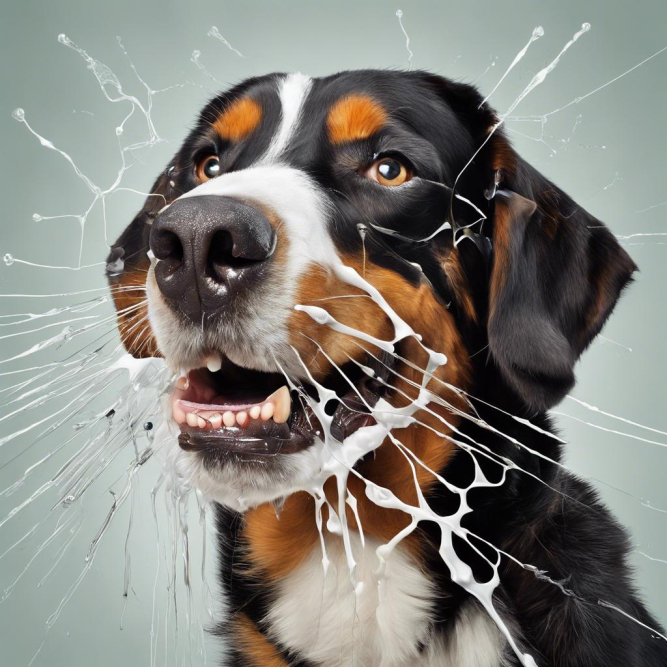
The cleanliness of a dog’s mouth has long been a topic of debate among pet owners and researchers alike. While many people believe that a dog’s mouth is relatively clean due to their natural tendency to lick their wounds, others argue that their mouths harbor a substantial amount of bacteria. This article will delve into the scientific research surrounding the cleanliness of a dog’s mouth, examining the potential risks and benefits associated with their oral hygiene. By exploring the latest studies and evidence, we hope to provide a comprehensive understanding of just how clean a dog’s mouth truly is.
Table of Contents
- The Microbial Composition of a Dog’s Mouth
- Comparison of Bacterial Load in a Dog’s Mouth and Human Mouth
- Potential Health Risks Associated with Bacteria in a Dog’s Mouth
- The Role of Saliva in Maintaining Oral Health in Dogs
- Common Misconceptions about the Cleanliness of a Dog’s Mouth
- Recommendations for Maintaining a Dog’s Oral Hygiene
- Impact of Diet on the Microbial Environment in a Dog’s Mouth
- Q&A
- The Way Forward
The Microbial Composition of a Dog’s Mouth
Dogs are notorious for licking everything in sight, including their own bodies, and even their owner’s face. This often begs the question, “how clean is a dog’s mouth?” The composition of a dog’s mouth is a topic that has been the subject of much speculation and scrutiny, and for good reason. Dogs use their mouths for a variety of purposes, from eating and grooming themselves to expressing affection, which means their mouths come into contact with a wide array of substances on a daily basis.
is a complex and dynamic ecosystem that is shaped by a variety of factors, including diet, genetics, and environment. Like humans, dogs have a diverse array of bacteria, viruses, fungi, and other microorganisms inhabiting their mouths. While some of these microorganisms are harmless or even beneficial, others can be potential pathogens that may cause illness or infection if they enter the body through a scratch or a bite.
- There are over 600 different species of bacteria found in a dog’s mouth
- Dogs have a higher pH level in their mouths compared to humans, making it less hospitable to certain types of bacteria
- The saliva of dogs also contains enzymes that can help to break down and kill harmful bacteria
Comparison of Bacterial Load in a Dog’s Mouth and Human Mouth
When it comes to comparing the bacterial load in a dog’s mouth and a human mouth, there are a few key factors to consider. While it is a common belief that a dog’s mouth is cleaner than a human’s, the reality is that both contain a wide variety of bacteria. In fact, a study published in the journal “Archives of Oral Biology” found that the oral microbiomes of dogs and humans are actually quite similar in terms of the types of bacteria present. However, the quantities and specific strains of bacteria can vary significantly between the two.
One factor to consider when evaluating the bacterial load in a dog’s mouth is their diet. Dogs are known to have a high protein diet, and this can contribute to the presence of certain bacteria in their mouths. On the other hand, humans often consume a more diverse range of foods, which can also impact the types and quantities of bacteria present in their mouths. Additionally, the oral hygiene practices of both dogs and humans can play a significant role in the bacterial load. While humans are more likely to brush their teeth regularly, dogs can benefit from their natural chewing habits, which can help remove plaque and bacteria from their mouths.
In conclusion, while there are similarities in the bacterial load between a dog’s mouth and a human mouth, there are also significant differences. Factors such as diet and oral hygiene practices can influence the types and quantities of bacteria present in both. It’s important for dog owners to prioritize their pet’s oral health by providing regular dental care and monitoring their diet, in addition to their own oral hygiene practices.
Potential Health Risks Associated with Bacteria in a Dog’s Mouth
Bacteria in a dog’s mouth can pose potential health risks to both dogs and humans. While the common belief is that a dog’s mouth is cleaner than a human’s, it’s important to understand that there are still various bacteria present that can cause harm.
Here are some :
- Transmission of bacteria: Dogs can transmit bacteria such as Pasteurella, Capnocytophaga, and E. coli through biting, licking, or even just close contact. These bacteria can lead to infections in humans, particularly those with compromised immune systems.
- Periodontal disease: Just like humans, dogs can suffer from periodontal disease caused by the buildup of bacteria in their mouths. This can lead to tooth loss, gum infections, and even spread bacteria to other parts of the body.
- Zoonotic diseases: Dogs can carry zoonotic diseases such as Salmonella and Campylobacter, which can be transmitted to humans through saliva. These bacteria can cause gastrointestinal issues and other health problems in humans.
The Role of Saliva in Maintaining Oral Health in Dogs
Saliva plays a crucial role in maintaining the oral health of dogs. It is not only important for digestion but also serves as a natural defense mechanism against harmful bacteria and other pathogens in the mouth. Saliva contains enzymes that help break down food particles, and it also helps to keep the mouth clean by washing away food debris and bacteria. Additionally, saliva contains antibacterial properties that can help prevent plaque and tartar buildup on the teeth.
Furthermore, saliva also plays a role in maintaining the pH balance in a dog’s mouth. A balanced pH level is essential for preventing the growth of bacteria that can lead to dental issues such as gum disease and tooth decay. Without proper saliva production, dogs may be at a higher risk of developing oral health problems. It is important for pet owners to understand the importance of saliva in maintaining their dog’s oral health and to take steps to promote saliva production through proper dental care and regular veterinary check-ups.
When it comes to a dog’s mouth, there are many myths and misunderstandings about how clean or dirty it may be. Many people believe that a dog’s mouth is cleaner than a human’s, while others think it is full of harmful bacteria. The truth is that a dog’s mouth is not as clean as a human’s, but it also does not mean that it is full of harmful bacteria. The role of saliva, along with proper dental care, plays a significant part in maintaining a dog’s oral health and overall well-being.
Common Misconceptions about the Cleanliness of a Dog’s Mouth
Many people hold the misconception that a dog’s mouth is actually cleaner than a human’s. This belief is often based on the myth that a dog’s saliva has antibacterial properties that can help keep their mouths clean. However, this is not entirely true.
In reality, a dog’s mouth can harbor a variety of bacteria and germs, just like a human’s. Dogs use their mouths to explore the world around them, which means they come into contact with all sorts of bacteria, dirt, and other contaminants. Additionally, dogs are known to lick and eat potentially germ-infested items, such as garbage, feces, and even their own bodies.
Despite these misconceptions, it’s important to understand that a dog’s mouth is not necessarily dirty either. Just like humans, a dog’s oral hygiene largely depends on their diet, dental care, and overall health. Proper dental care, such as regular teeth brushing and dental check-ups, can significantly improve the cleanliness of a dog’s mouth and reduce the risk of oral health issues. Overall, it’s essential to dispel the myth that a dog’s mouth is cleaner than a human’s and prioritize dental care for our canine companions.
Below is a table with :
| Misconception | Facts |
|---|---|
| Dog’s saliva has antibacterial properties | While it can help prevent infections, it doesn’t make it clean |
| A dog’s mouth is cleaner than a human’s | Not necessarily true, as it depends on diet and dental care |
| Dogs have naturally cleaner mouths | Dental care and diet play a significant role in oral hygiene |
1. Brushing: Just like humans, dogs also require regular brushing to keep their teeth clean and healthy. Use a dog-specific toothbrush and toothpaste to brush your dog’s teeth at least 2-3 times a week. This will help remove plaque and prevent the buildup of tartar.
2. Dental Chews and Toys: Providing dental chews and toys specifically designed to promote dental health can help keep a dog’s teeth clean. These products can help reduce plaque and tartar buildup while also providing mental stimulation for the dog.
3. Regular Vet Check-ups: Schedule regular veterinary check-ups to monitor your dog’s oral health. A veterinarian can provide professional dental cleanings as well as identify and address any potential dental issues early on.
4. Proper Diet: Feed your dog a balanced and nutritious diet to promote overall health, including dental health. Avoid feeding your dog table scraps and human foods that can contribute to dental problems.
In conclusion, maintaining a dog’s oral hygiene is crucial for their overall health and well-being. By implementing regular brushing, providing dental chews and toys, scheduling regular vet check-ups, and ensuring a proper diet, you can help keep your dog’s mouth clean and healthy.
Impact of Diet on the Microbial Environment in a Dog’s Mouth
The microbial environment in a dog’s mouth is influenced by various factors, and diet plays a significant role in shaping this environment. Just like in humans, the types of food and nutrients that a dog consumes can impact the composition and activity of the oral microbiota. A dog’s mouth is home to a diverse array of bacteria, viruses, fungi, and other microorganisms, and the balance of these microbial communities is crucial for oral health.
A diet rich in carbohydrates, sugars, and starches can provide a favorable environment for the growth of bacteria that contribute to dental plaque and tartar formation. On the other hand, a diet high in protein and low in carbohydrates can help maintain a healthier oral microbial balance. Additionally, certain nutrients, such as vitamin C and antioxidants, can support the immune system and help combat the growth of harmful bacteria in the mouth. By understanding the , pet owners can make informed decisions about their furry friends’ nutrition to promote oral health and overall well-being.
Factors influencing the oral microbial environment in a dog’s mouth:
- Diet composition and nutrients
- Frequency and type of treats and chews
- Oral hygiene practices and dental care routine
Q&A
Here are the answers to some frequently asked questions about the cleanliness of a dog’s mouth:
Q: Is a dog’s mouth cleaner than a human’s?
A: It’s a common belief that a dog’s mouth is cleaner than a human’s because of the presence of certain antimicrobial agents and enzymes in their saliva. However, the reality is that a dog’s mouth can be a breeding ground for bacteria, just like a human’s. According to a study published in the Archives of Oral Biology, the oral microbiota of dogs contains a variety of bacteria, including some that can be harmful to humans. So, it’s important to practice good hygiene when interacting with your dog, such as washing your hands after handling them.
Q: Can a dog’s mouth transmit diseases to humans?
A: Yes, a dog’s mouth can potentially transmit diseases to humans through licking, biting, or sharing items such as food or toys. According to the Centers for Disease Control and Prevention, some of the bacteria commonly found in a dog’s mouth, such as Pasteurella, can cause infections in humans if they enter the body through a bite or scratch. Additionally, dogs can carry parasites such as roundworms or hookworms in their mouths, which can be transmitted to humans through contact. Therefore, it’s important to be aware of the potential risks and take precautions to prevent the transmission of diseases from dogs to humans.
In conclusion, while a dog’s mouth may have some antimicrobial properties, it is not necessarily cleaner than a human’s. It’s essential to maintain good hygiene practices and be mindful of the potential risks of disease transmission when interacting with dogs.
The Way Forward
In conclusion, while the common belief that a dog’s mouth is cleaner than a human’s may not be entirely accurate, research has shown that the natural enzymes and antimicrobial properties present in a dog’s saliva do provide some level of protection against certain bacteria and viruses. However, it is important to remember that a dog’s mouth is also home to a variety of potential pathogens that can be harmful to humans. Therefore, proper hygiene and caution should always be exercised when interacting with dogs, especially when it comes to allowing them to lick open wounds or sensitive areas of the body. Further studies and research are needed to fully understand the complexities of canine oral health and its implications for human health.
Auto Amazon Links: No products found.

