



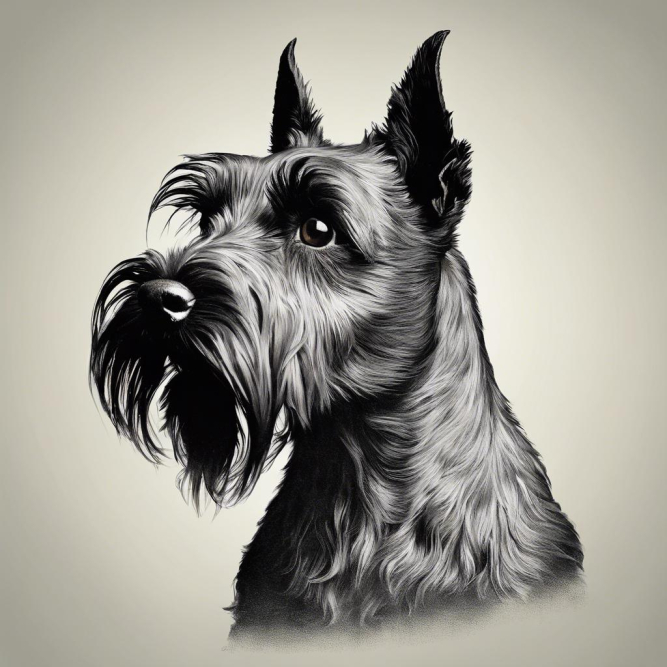
The Scottish Terrier, also known as the “Scottie,” is a distinguished breed with a rich history and unique characteristics. In order to fully understand the genetic and behavioral traits of this iconic dog, it is essential to explore its origins and ancestral lineage through a comprehensive research-based approach. By delving into the historical and geographical factors that shaped the development of the Scottish Terrier, we can gain valuable insight into the breed’s evolution and distinct attributes. This article aims to provide a detailed analysis of the origins of the Scottish Terrier, drawing upon scientific research and scholarly sources to uncover the fascinating story behind this beloved canine companion.
Table of Contents
- Origin of Scottish Terriers
- Historical Background and Development of the Breed
- Genetic and Ancestral Influences on the Scottish Terrier
- Distinct Physical and Behavioral Characteristics of Scottish Terriers
- The Role of Scotland in Shaping the Breed
- Comparative Analysis of Scottish Terriers with Other Terrier Breeds
- Relevance of Origin in Understanding the Health and Care Needs of Scottish Terriers
- Q&A
- The Conclusion
Origin of Scottish Terriers
The Scottish Terrier, or “Scottie,” as it is affectionately known, is a breed with a rich and fascinating history. Originating in the highlands of Scotland, these small, sturdy dogs have been a beloved part of Scottish culture for centuries.
The exact origins of the Scottish Terrier are somewhat shrouded in mystery, but it is believed that they are descended from a group of dogs known as terriers that were brought to Scotland by the Celts. These early terriers were likely used for hunting small game, such as rats and other vermin, as well as for guarding farms and households. Over time, the Scottish Terrier breed began to emerge as a distinct type, known for its characteristic wiry coat and energetic personality.
The Scottish Terrier’s popularity grew rapidly in the late 19th and early 20th centuries, particularly in the United States, where it became a favorite of President Franklin D. Roosevelt. Today, the Scottish Terrier is recognized as a beloved companion animal and continues to capture the hearts of dog lovers around the world. With its proud Scottish heritage and distinctive appearance, the Scottish Terrier remains a cherished symbol of Scottish culture and tradition.
**Key Points about the :**
– Descended from terriers brought to Scotland by the Celts
– Used for hunting and guarding purposes
– Emerged as a distinct breed with a wiry coat and energetic personality
– Popularized in the late 19th and early 20th centuries
– Beloved by President Franklin D. Roosevelt
– Symbol of Scottish culture and tradition
Historical Background and Development of the Breed
The Scottish Terrier, also known as the “Scottie,” has a rich historical background that dates back to the 17th century in Scotland. This breed was originally developed for hunting and guarding purposes, making it a valuable asset to farmers and landowners in the rugged terrains of the Scottish Highlands. The Scottish Terrier is a small, sturdy dog with a distinct wiry coat that helped protect it from the harsh weather conditions of its native land. Known for its fearless and tenacious nature, the Scottie quickly gained popularity as a reliable working dog.
Throughout its development, the Scottish Terrier has gone through several significant milestones that have shaped the breed into what it is today. From its early roots as a skilled vermin hunter to its role as a beloved companion and show dog, the Scottie has evolved to become a well-rounded breed with a strong sense of loyalty and independence. Despite its small stature, the Scottish Terrier has made a big impact on the dog world, earning a spot in the hearts of dog enthusiasts around the globe. With its distinctive appearance and charming personality, the Scottie continues to be a cherished breed with a fascinating history.
**Key Points of Scottish Terrier Origin & Development:**
– Originated in Scotland in the 17th century
– Initially bred for hunting and guarding
– Distinct wiry coat for protection from harsh weather
– Known for fearless and tenacious nature
– Evolved into a beloved companion and show dog
Genetic and Ancestral Influences on the Scottish Terrier
The play a significant role in shaping the characteristics and traits of this beloved breed. The origins of the Scottish Terrier can be traced back to Scotland, where they were originally bred to hunt and eliminate vermin such as rats and other small pests. Over time, the genetic makeup of the Scottish Terrier has been shaped by the environmental conditions and selective breeding practices.
**Genetic Makeup**
The genetic makeup of the Scottish Terrier is a result of centuries of breeding for specific traits such as hunting, agility, and intelligence. This breed possesses a unique genetic profile that contributes to their distinct appearance and personality. Genes play a crucial role in determining the coat color, size, and overall health of the Scottish Terrier.
**Ancestral Influences**
The ancestral influences on the Scottish Terrier can be traced back to the terrier breeds of Scotland. These ancestors were bred for their tenacity, strength, and hunting skills, which have been passed down through generations to the modern-day Scottish Terrier. The ancestral influences have played a significant role in shaping the physical and behavioral characteristics of the breed, making them well-suited for their original purpose as hunters and vermin exterminators.
In conclusion, the have played a crucial role in shaping the breed as we know it today. Understanding the genetic makeup and ancestral influences can provide valuable insights into the characteristics and traits of this iconic breed.
Distinct Physical and Behavioral Characteristics of Scottish Terriers
Physical Characteristics
Scottish Terriers, also known as “Scotties,” are a small and compact breed known for their distinctive appearance. They are characterized by their long, wiry outer coat and soft, dense undercoat, which gives them a unique, shaggy look. Their coat colors range from black to brindle, wheat, or grey. Scotties have a muscular build and stand about 10 inches tall at the shoulder, with a proportionate body length. Their head is long and powerful, with a bushy beard, prominent eyebrows, and small, dark eyes. Their ears are upright and pointed, adding to their alert and dignified expression.
Behavioral Characteristics
Scottish Terriers are known for their independent and confident personality. They are loyal, affectionate, and often described as “big dogs in a small body.” Despite their small size, Scotties are fearless and have a strong-willed nature. They are intelligent and have a strong hunting instinct, which can make them enthusiastic diggers and barkers. However, they are also known for their loyalty and devotion to their families. With proper training and socialization, Scotties can be excellent companions and watchdogs.
| Physical Characteristics | Behavioral Characteristics |
|---|---|
| Long, wiry outer coat | Independent and confident |
| Muscular build | Loyal and affectionate |
| Upright, pointed ears | Fearless and strong-willed |
In conclusion, Scottish Terriers possess unique physical and behavioral traits that make them stand out among other dog breeds. Their distinctive appearance and confident personality make them a popular choice for dog owners looking for a loyal and spirited companion.
The Role of Scotland in Shaping the Breed
The Scottish Terrier, also known as the “Scottie,” is a beloved breed with a rich history that dates back to the 17th century. Originating in the highlands of Scotland, these small, sturdy dogs were originally bred to hunt and kill vermin on farms. They were also used for hunting small game such as foxes and badgers. The Scottish Terrier’s role in shaping the breed is essential to the unique characteristics that define the breed today.
Scottish breeders played a pivotal role in refining the breed’s appearance and temperament over the years. Their efforts contributed to the development of the Scottie’s distinctive features, including its wiry coat, long head, and distinctive beard. Additionally, their tenacious nature and independent spirit were honed through selective breeding, resulting in the Scottie’s characteristic loyalty and bravery. The breed’s distinct appearance and personality is a testament to the integral role that Scotland played in shaping the Scottish Terrier into the beloved breed it is today.
The Scottish Terrier’s historical significance is deeply ingrained in the breed’s origins. The breed’s enduring popularity across the globe is a testament to the lasting impact of Scotland’s influence on shaping the breed. When we appreciate the unique qualities of the Scottish Terrier, we are, in essence, celebrating the role of Scotland in shaping this remarkable breed.
Comparative Analysis of Scottish Terriers with Other Terrier Breeds
The Scottish Terrier, also referred to as the Scottie, is a small and compact breed known for its distinctive appearance and lively personality. Originating from Scotland, the Scottie belongs to the terrier group of dogs, which includes a variety of breeds with similar characteristics. In this comparative analysis, we will explore the unique qualities of the Scottish Terrier in comparison to other terrier breeds, shedding light on their origins, physical traits, and temperament.
One distinguishing feature of the Scottish Terrier is its origins in the Highlands of Scotland, where it was bred to hunt and kill vermin such as rats and mice. This heritage has resulted in a breed that is tenacious, independent, and fearless, with a strong prey drive. When compared to other terrier breeds, the Scottie stands out for its history as a working dog, which has shaped its distinct traits and behaviors. In terms of physical appearance, the Scottish Terrier is characterized by its long, wiry coat, distinctive beard, and erect ears, setting it apart from other terriers in terms of its unique aesthetic appeal.
In addition to its physical attributes, the Scottish Terrier is known for its bold and confident nature, making it a loyal and protective companion. When compared to other terrier breeds, the Scottie is often described as dignified and dignified, with a bold and dignified demeanor. This breed is also recognized for its intelligence and strong-willed nature, which can make training a challenge but ultimately results in a loyal and devoted companion. When considering the Scottish Terrier in comparison to other terrier breeds, it is important to acknowledge its individuality and the unique traits that make it a beloved breed among dog enthusiasts.
| Traits | Scottish Terrier | Other Terrier Breeds |
|---|---|---|
| Origin | Scotland | Variety of countries |
| Physical Appearance | Distinctive long, wiry coat, erect ears, and beard | Varies by breed |
| Temperament | Bold, confident, loyal, and protective | Varies by breed |
Relevance of Origin in Understanding the Health and Care Needs of Scottish Terriers
The origin of a Scottish Terrier is an important factor to consider when understanding their health and care needs. The breed hails from Scotland and has a rich history dating back to the 17th century. Understanding their origins can provide insight into the genetic predispositions, temperament, and specific requirements of this beloved breed. Here’s how the relevance of origin plays a role in comprehending the health and care needs of Scottish Terriers:
Genetic Predispositions: The genetic makeup of a Scottish Terrier is heavily influenced by their origin. Through centuries of breeding and adaptation to the Scottish climate and terrain, certain health issues such as von Willebrand’s disease, patellar luxation, and diseases affecting the skin are more prevalent in this breed. It is crucial for owners to be aware of these predispositions in order to provide the appropriate care and preventive measures.
Temperament and Behavior: The temperament of a Scottish Terrier is also shaped by their origin. Bred to be independent, courageous, and tenacious, they possess a unique set of behavioral traits that require specific training and socialization. Understanding their origin allows owners to cater to their psychological needs, creating an environment that aligns with their natural instincts and characteristics.
Diet and Exercise: The origin of Scottish Terriers also dictates their dietary preferences and exercise requirements. Being originally bred as working dogs in Scotland, they have a high energy level and may thrive on a diet that mimics their historical consumption. Additionally, their origin in the Scottish countryside means they may benefit from regular, vigorous exercise to maintain their physical and mental well-being. Owners can tailor their care routines based on this knowledge, ensuring the best possible health outcomes for their pets.
In conclusion, the relevance of origin is paramount when considering the health and care needs of Scottish Terriers. It offers valuable insights into their genetic predispositions, temperament, and specific requirements, enabling owners to provide tailored care that aligns with their historical background. By understanding and acknowledging their origins, individuals can better meet the unique needs of these beloved companions.
Q&A
Q: What is the origin of the Scottish Terrier breed?
A: The Scottish Terrier, also known as the “Scottie”, has a long and rich history that dates back to the 17th century in Scotland. This breed was originally developed for hunting small game such as rats, rabbits, and foxes. The rugged terrain and harsh climate of Scotland played a role in shaping the Scottie into the resilient and independent breed that we know today.
Q: What are some key characteristics of the Scottish Terrier?
A: The Scottish Terrier is known for its distinctive appearance, with a wiry coat, erect ears, and a bold, dignified stance. This breed is also characterized by its keen intelligence, loyalty, and strong-willed nature. Despite its small size, the Scottie is a sturdy and fearless dog with a strong prey drive, making it an excellent hunter and watchdog. Additionally, their playful and affectionate demeanor makes them wonderful companions for individuals and families alike.
Q: How has the Scottish Terrier evolved over time?
A: Over the centuries, the Scottish Terrier has undergone selective breeding to enhance its hunting abilities and adapt to different environments. This has resulted in the development of the modern Scottie, which remains true to its original purpose as a tenacious and skilled hunter. Despite its evolution, the Scottish Terrier has retained its classic traits and remains a beloved breed with a strong sense of heritage and tradition.
In conclusion, the Scottish Terrier has a storied past rooted in the rugged landscapes of Scotland, and its enduring characteristics continue to make it a cherished breed among dog enthusiasts worldwide.
The Conclusion
In conclusion, the origins of the Scottish Terrier can be traced back to Scotland, where it has been a beloved and iconic breed for centuries. Through genetic analysis and historical documentation, we have a better understanding of the development and evolution of this unique and distinct breed. The Scottish Terrier’s ancestors were reliable and versatile working dogs, and their resilience and determination have been passed down through generations. As we continue to study and appreciate the Scottish Terrier’s rich history, we gain a deeper appreciation for its significance and impact on the world of dog breeding and ownership.

