



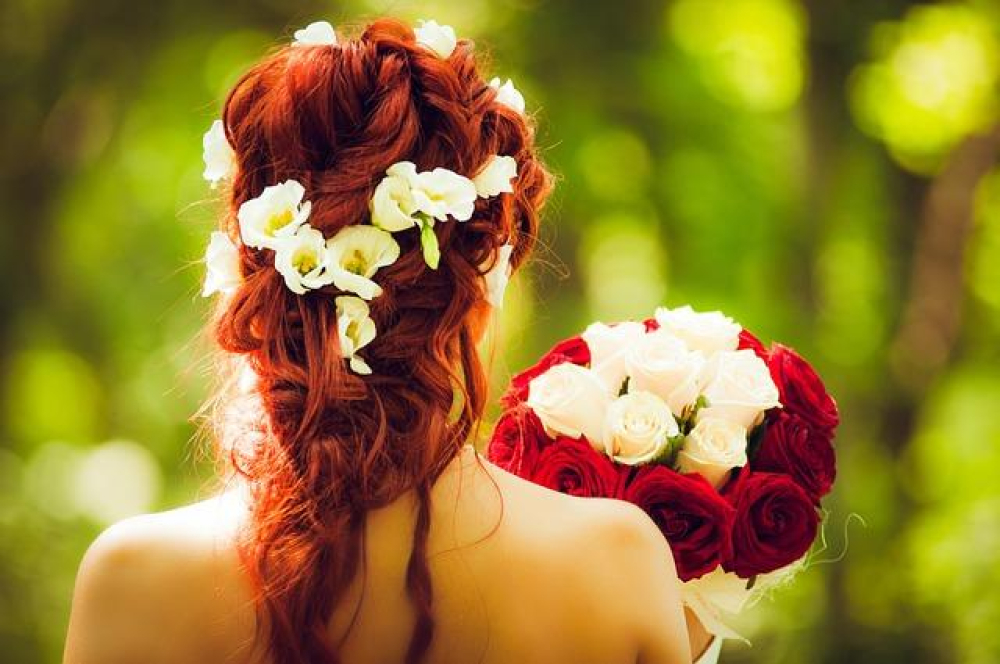
In the realm of matrimonial planning, where each detail is meticulously curated to contribute to the overarching spectacle, the selection and arrangement of wedding flowers stand out as a significant contributor not only to the aesthetic appeal but also to the financial ledger of the event. As couples navigate through the myriad of choices and price tags associated with these floral adornments, the importance of adopting a strategic approach to minimize expenditures cannot be overstressed. This article aims to dissect the intricacies of the floral industry as it pertains to weddings, presenting an analytical exploration into methods of reducing costs without compromising on the visual or emotional impact of the occasion. Through a thorough examination of industry trends, insider knowledge, and creative solutions, we endeavor to empower couples with the tools necessary to make informed decisions that align with their financial and aesthetic aspirations. In doing so, we not only address the immediate concern of budget management but also contribute to a broader understanding of value optimization in wedding planning.
Table of Contents
- Selecting Seasonal Flowers to Reduce Costs
- Leveraging Wholesale Markets for Bulk Purchases
- Incorporating Greenery and Alternative Decorations
- Exploring Local Farms and Gardens for Fresh Picks
- Optimizing Arrangements: Using Fewer Varieties to Maximize Impact
- Q&A
- Closing Remarks
Selecting Seasonal Flowers to Reduce Costs
When planning your dream wedding, one significant aspect that can have a considerable impact on your budget is the choice of flowers. Opting for blooms that are in season during the time of your wedding not only ensures freshness and vibrancy but is also a strategic move towards reducing costs. Seasonal flowers are more abundant and thus, more economically priced compared to off-season varieties that might require importation or special care to grow.
Understanding which flowers are in season can guide your floral selection process effectively. For example, if you’re planning a spring wedding, consider incorporating tulips, daffodils, or peonies into your arrangements. These flowers are naturally plentiful in spring, which could make them a more budget-friendly option. Conversely, for a fall wedding, dahlias, marigolds, and chrysanthemums offer rich, warm colors at a lower cost. By aligning your flower choices with the season, you not only embrace the natural beauty of the time but also leverage the economic advantage of abundant supply.
| Season | Flowers | Cost Efficiency |
|---|---|---|
| Spring | Tulips, Daffodils, Peonies | High |
| Summer | Roses, Sunflowers, Hydrangeas | Medium |
| Fall | Dahlias, Marigolds, Chrysanthemums | High |
| Winter | Amaryllis, Poinsettias, Holly | Medium to High |
In addition to selecting seasonal flowers, further reduce your costs by incorporating more greenery, which is usually less expensive than blooms. Green elements such as ivy, ferns, or eucalyptus can add volume and texture to your arrangements without significantly increasing the price. Remember, creativity in assembly and presentation can compensate for a limited flower variety. Brides and grooms should work closely with their florists, expressing their budget limitations and preferences, to brainstorm arrangements that are both beautiful and economically feasible.
Key Takeaways:
– Opt for flowers that are in season during your wedding month to capitalize on their abundance and cost efficiency.
– Consult the seasonal flower table to guide your selection process.
– Enhance arrangements with greenery to add volume and texture at a lower cost.
– Prioritize open communication with your florist about budget constraints to explore creative, cost-effective solutions.
Leveraging Wholesale Markets for Bulk Purchases
When planning a wedding, the costs can quickly add up, leaving couples seeking ways to save money without compromising on their vision. One of the most effective strategies for budget-conscious planners is to explore the benefits of wholesale markets for securing wedding flowers in bulk. This method not only offers significant savings but also allows for a more customized approach to floral arrangements.
Buying flowers wholesale enables access to a wider variety of blooms at a fraction of the retail cost. Couples can often purchase flowers directly from growers or through online wholesale distributors. However, it’s important to do thorough research to find reputable suppliers who deliver quality, freshness, and a broad selection of flowers. Engaging in price comparison and reading reviews can further guide decision-making. Prioritizing seasonal flowers and those that are locally available can also enhance savings and contribute to a sustainable wedding.
Below is a table illustrating potential savings when purchasing popular wedding flowers from wholesale markets versus retail florists:
| Flower Type | Retail Cost (per stem) | Wholesale Cost (per stem) | Savings (per stem) |
|---|---|---|---|
| Roses | $4.00 | $1.50 | $2.50 |
| Peonies | $7.00 | $3.50 | $3.50 |
| Hydrangeas | $6.00 | $2.75 | $3.25 |
| Lilies | $5.00 | $2.00 | $3.00 |
Beyond the immediate cost benefits, leveraging wholesale markets offers flexibility in design and decor. Couples have the freedom to tailor their arrangements precisely to their theme or color scheme, enhancing personalization. However, it requires a level of creativity and willingness to engage in DIY projects. Planning, preparation, and the enlistment of friends or family for assembling the arrangements can transform this undertaking into a memorable part of the wedding journey.
In conclusion, the strategic approach to selecting wedding flowers through wholesale markets demands initial research and hands-on involvement. Yet, it substantially reduces expenses and adds a uniquely personal touch to the celebration. By prioritizing local, seasonal blooms and exploring various suppliers, couples can achieve their desired aesthetic without overspending, making their special day both beautiful and economically savvy.
Incorporating Greenery and Alternative Decorations
Cutting costs on floral arrangements without compromising the aesthetic appeal of your wedding is entirely possible by embracing the beauty of greenery and exploring alternative decorations. The trend of utilizing lush foliage not only offers a refreshing visual contrast but significantly reduces expenses. Foliage such as eucalyptus, ferns, and ivy provides a voluminous look at a fraction of the cost of traditional flowers. The versatility of greenery allows it to blend seamlessly with various wedding themes, from rustic to modern chic.
Moreover, considering non-floral centerpieces can lead to substantial savings while adding uniqueness to your reception tables. Think outside the traditional floral arrangement box and consider options like: lanterns, candles, terrariums, and even books for a personalized touch that speaks to your interests and relationship. These alternatives not only cut down on costs but also last longer than flowers, making them keepsakes or gifts for your guests. Consider coupling these elements with strategic floral accents for impactful visuals that remain budget-friendly.
| Decoration Type | Cost Comparison | Visual Impact | Sustainability |
|---|---|---|---|
| Greenery | Low-Moderate | High | High |
| Traditional Flowers | High | High | Moderate-Low |
| Alternative Decorations | Low | Moderate-High | High |
Adopting a mindful approach towards your wedding decorations not only allows for a unique expression of your style but also reflects a commitment to sustainability and smart budgeting. By , couples can achieve an enchanting environment that is both financially and environmentally considerate. As weddings evolve, so do the options for decoration, offering endless possibilities to personalize your day while keeping an eye on economics and ecology.
Exploring Local Farms and Gardens for Fresh Picks
Embarking on a quest to find budget-friendly floral arrangements for your special day introduces a surprisingly delightful possibility: aligning with local farms and gardens. The benefits of sourcing flowers directly from growers extend beyond merely financial savings; it fosters a more intimate and personalized approach to your wedding decor. Not only does this support local agriculture, but it also guarantees the freshest blooms for your celebration. Therefore, integrating local flora into your wedding not only embodies sustainability but also adds a unique, regional charm to your event.
First, consider the vast array of flowers and foliage available within your region’s farms and gardens. It’s essential to conduct research or visit these locales personally to understand their seasonal offerings. Preparation could involve:
– Creating a list of local farms and gardens that specialize in flower growing. Check their websites or social media platforms for the types of flowers they cultivate.
– Scheduling consultations with these growers. This is an opportunity to discuss your wedding theme, desired colors, and the specific types of blooms you’re interested in.
Furthermore, local growers often possess a wealth of knowledge about their offerings and can suggest flowers that not only suit your wedding’s aesthetic but are also in season during your event. This guarantees peak freshness and vibrancy of your floral arrangements. Additionally, some farms and gardens might offer the option of you picking your flowers directly, which can further reduce costs and enhance the personal touch of your arrangements.
To aid in this exploration, below is a simplified table highlighting potential cost savings when opting for locally sourced flowers:
| Item | Average Cost (Florist) | Average Cost (Local Farm/Garden) | Potential Savings |
|---|---|---|---|
| Bridal Bouquet | $150-$250 | $50-$100 | Up to 60% |
| Table Centerpieces (each) | $75-$150 | $20-$50 | Up to 67% |
| Ceremony Decor | $500-$1000 | $200-$400 | Up to 60% |
Choosing to engage directly with local farms and gardens not only significantly reduces your floral expenditure but also contributes positively to your local economy. Moreover, it opens avenues to customize your flower selections in a way that mass-market florists might not accommodate, ensuring your wedding flowers are as unique and memorable as the day itself. Hence, forging connections with local growers can transform the daunting task of managing wedding costs into an enriching journey towards creating a day that’s as sustainable as it is beautiful.
Optimizing Arrangements: Using Fewer Varieties to Maximize Impact
In the world of wedding planning, savvy couples are ever on the quest for innovative ways to curtail expenses without sacrificing the elegance of their special day. A particularly effective strategy for achieving this balance in the realm of floral arrangements is the intentional selection of fewer flower varieties. This approach not only simplifies the decision-making process but can significantly reduce costs. By honing in on a limited selection of blooms, couples can buy in bulk, often availing of wholesale prices, and create a cohesive aesthetic that resonates through every aspect of the wedding.
The choice to streamline floral selections does more than just ease the strain on your budget; it also enhances the visual impact of your arrangements. For example, a well-considered mix of large statement blooms like hydrangeas or peonies, complemented by filler flowers like baby’s breath or ferns, can create lush, eye-catching displays that seem more lavish than their cost would suggest. This method capitalizes on the principle of repetition to establish a strong thematic throughline, which can be particularly impactful in photography and overall venue decoration.
- Choose seasonal flowers to ensure availability and affordability.
- Opt for larger blooms to fill space with fewer stems.
- Consider the color scheme of your wedding when selecting flower varieties to maintain a cohesive look.
Furthermore, adopting this minimalist approach does not mean limiting creativity. On the contrary, it opens up a canvas for innovative arrangement ideas that integrate the selected varieties into every facet of the wedding, from bouquets and centerpieces to boutonnieres and ceremony backdrops. Incorporating non-floral elements such as candles, lanterns, or geometric shapes can add depth and interest to the decor while maintaining a unified aesthetic.
| Flower Variety | Approximate Cost Savings | Visual Impact |
|---|---|---|
| Hydrangeas | 20-30% | High |
| Peonies | 15-25% | Very High |
| Baby’s Breath | 30-40% | Moderate |
In conclusion, by judiciously narrowing down flower varieties, couples can achieve a visually stunning and cohesive décor that proves cost-effective. This strategy is not just about saving money; it’s about maximizing the aesthetic return on every dollar spent, ensuring the floral arrangements contribute to a memorable and beautiful wedding experience.
Q&A
Q1: What are some initial steps couples can take to minimize expenses on wedding flowers?
A1: One of the initial steps involves setting a realistic budget specific to floral arrangements, taking into account overall wedding expenses. Couples should also engage in thorough research to identify florists who offer competitive pricing without compromising on quality. Prioritizing needs over wants and having open discussions about affordable options with chosen florists can significantly help in managing costs effectively.
Q2: How can the choice of flowers impact the overall cost, and what are some cost-effective alternatives?
A2: The selection of flowers can dramatically affect cost based on their availability, rarity, and seasonality. Opting for flowers that are in season or choosing locally sourced blooms can help reduce expenses. Additionally, embracing cost-effective alternatives such as using more greens, incorporating non-floral elements, or selecting less expensive yet visually striking flowers like carnations or baby’s breath could lower costs while still creating an appealing aesthetic.
Q3: In what ways can couples leverage their venue to reduce floral expenses?
A3: Selecting a naturally beautiful venue that already boasts an abundance of flowers and greenery can decrease the need for additional floral decorations. Utilizing the same floral arrangements for both the ceremony and reception, if possible, can also offer savings. Moreover, negotiating with the venue to include some floral elements within their package could further minimize flower-related outlays.
Q4: Are there any innovative suggestions for repurposing or maximizing the use of wedding flowers?
A4: Repurposing wedding flowers is a smart strategy for maximizing their use. Floral arrangements from the ceremony can be creatively reused at the reception. Bouquets could serve as centerpieces, and ceremonial arch flowers can adorn the buffet or photo area. Post-wedding, donating flowers to hospitals or nursing homes can also extend their utility, offering an altruistic twist to cost-saving efforts.
Q5: Could DIY approaches to wedding flowers contribute to significant savings, and what should be considered before going this route?
A5: A DIY approach can yield substantial savings, especially for those with a crafty flair or access to wholesale flower markets. However, couples should realistically assess their time, ability, and the logistics involved in DIY flower arrangements. It requires careful timing, as well as the necessary space and resources to assemble and store the arrangements. Consulting with a professional for advice, even if going the DIY route, is advisable to ensure the desired outcome is achievable and stress-free.
Q6: What common mistakes should couples avoid when trying to save money on wedding flowers?
A6: A significant mistake is not being upfront about budget constraints with the florist, which can lead to proposals that are financially impractical. Underestimating the cost of favorite blooms and not considering cheaper alternatives can also inflate expenses unnecessarily. Lastly, overlooking the logistics of flower delivery and setup can add unexpected costs. Clear communication, realistic budgeting, and a willingness to be flexible with flower choices are key to avoiding these pitfalls.
By applying these analytical strategies and keeping an open dialogue with service providers, couples can achieve a beautifully decorated wedding while adhering to their budgetary constraints.
Closing Remarks
In conclusion, optimizing your floral budget for a wedding does not demand compromising on the beauty or vibrancy of the celebration. A strategic approach, combining thoughtful selection, seasonal alignment, and leveraging personal and professional networks, can lead to significant savings without dimming the aesthetic allure of the event. By embracing alternatives such as locally sourced flowers, integrating non-floral elements, and focusing on impactful, singular arrangements, couples can achieve a visually appealing outcome that aligns with their financial parameters. Moreover, the exploration of DIY options, although requiring time and effort, can further personalize the occasion while economically benefitting the overall budget.
This analysis underscores that with careful planning and creative thinking, it is entirely plausible to curtail expenses on wedding flowers without forfeiting the elegance and charm they bring to the day. Ultimately, the key lies in balancing fiscal prudence with creative flexibility, ensuring that the celebration remains both breathtaking and budget-friendly. As weddings continue to evolve, so too will the approaches to managing costs, with flowers being just one aspect where innovation and tradition can harmoniously coexist to produce memorable, cost-effective outcomes.

