



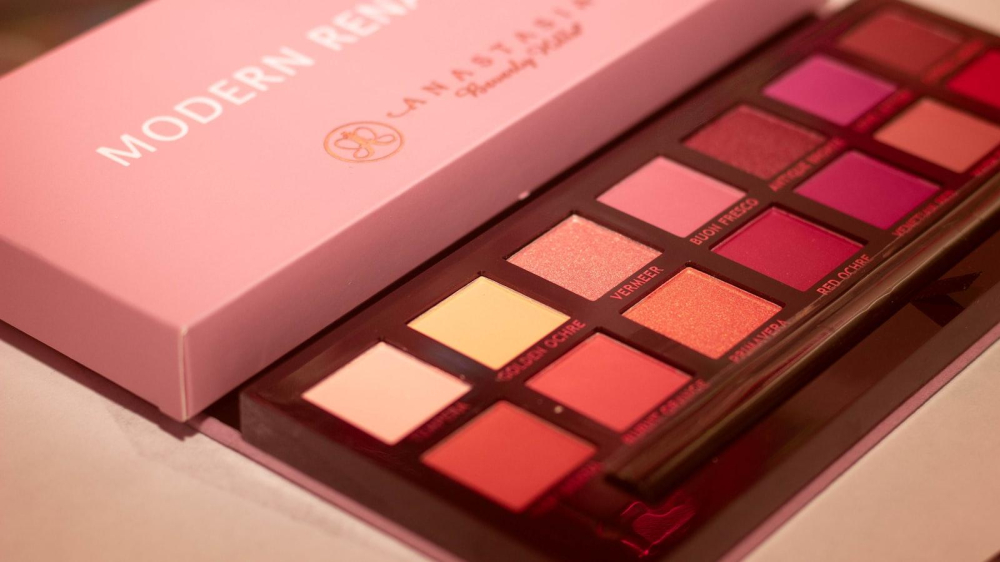
Eyeshadow is a popular cosmetic product that many individuals use to enhance their eyes and complete their overall makeup look. However, like all cosmetics, eyeshadow has a finite shelf life. With that in mind, it is important to understand the expiration of eyeshadow and the potential risks of using expired products. In this article, we will delve into the question: does eyeshadow expire? We will explore the factors that contribute to its expiration, how to determine if it has gone bad, and the potential consequences of using expired eyeshadow. By gaining a better understanding of the shelf life of eyeshadow, individuals can make informed decisions about their cosmetics and prioritize their health and safety.
Table of Contents
- The Shelf Life of Eyeshadow
- Factors That Affect Eyeshadow Expiration
- How to Tell If Your Eyeshadow Has Expired
- Recommendations for Properly Storing Eyeshadow
- What to Do with Expired Eyeshadow
- Q&A
- In Conclusion
The Shelf Life of Eyeshadow
is a common concern among makeup enthusiasts. Many people wonder if their favorite eyeshadow palette has expired and if it is still safe to use. The truth is that like any other beauty product, eyeshadow does have a shelf life, and it’s important to know when to toss out your old eyeshadows and replace them with new ones.
It’s essential to pay attention to the expiration date of your eyeshadows, as using expired products can lead to skin irritation, infections, and other adverse reactions. Here are a few key things to keep in mind about :
– **Expiration Date:** Eyeshadows generally have a shelf life of around 1-2 years. It’s important to check the packaging for the expiration date and to abide by it.
- **Signs of Expired Eyeshadow:** If your eyeshadow has changed in texture, scent, or color, it’s likely past its prime. Additionally, if you notice any irritation or discomfort upon application, it may be time to replace it.
– **Proper Storage:** Storing your eyeshadows in a cool, dry place away from direct sunlight can help prolong their shelf life. Be sure to keep the lids tightly closed to prevent bacteria and air from getting in.
Overall, it’s crucial to be mindful of the shelf life of your eyeshadows and to replace them when necessary to ensure the health and safety of your skin.
Factors That Affect Eyeshadow Expiration
The longevity of your eyeshadow can be affected by several factors, potentially causing it to expire before you’ve had a chance to use it all. Understanding these factors can help you make more informed decisions about the shelf life of your eyeshadow products, and ultimately save you from using expired makeup that could potentially cause skin irritation or infection.
1. Exposure to Air: When eyeshadow is exposed to air, it can lead to oxidation, causing the product to dry out and become less effective. This is why it’s essential to keep your eyeshadow containers tightly sealed when not in use.
2. Moisture: Moisture can also lead to the deterioration of eyeshadow, especially if it’s exposed to high humidity or stored in a bathroom where the air is often damp. To prevent this, store your eyeshadow in a cool, dry place away from the shower or sink.
3. Contamination: The way you use your eyeshadow can also impact its shelf life. Using dirty brushes, fingers, or applicators can introduce bacteria and other contaminants into the product, accelerating its expiration date. It’s important to clean your makeup tools regularly and avoid sharing them with others to maintain the integrity of your eyeshadow.
By considering these factors, you can better preserve the shelf life of your eyeshadow and ensure that you’re using safe, effective products on your skin.
How to Tell If Your Eyeshadow Has Expired
As makeup enthusiasts, it’s essential to stay informed about the shelf life of our products. While most of us are good at keeping track of when to toss out an old mascara or lipstick, many are unsure about when to bid adieu to our eyeshadows. So, does eyeshadow expire? The answer is yes. Just like many other cosmetics, eyeshadows do have an expiration date, and it’s crucial to recognize the signs that your favorite eyeshadow may have reached its end.
Firstly, it’s important to check the packaging of the eyeshadow for an expiration date. If the product has exceeded this date, it’s time to part ways with it. Additionally, if your eyeshadow has changed in texture, color, or scent, these are clear indications that it’s no longer safe to use. Ultimately, using expired eyeshadows can lead to irritation, infections, or breakouts, so it’s essential to stay aware of the condition of your makeup products.
Recommendations for Properly Storing Eyeshadow
If you’re an avid makeup user, you may have wondered whether eyeshadow expires. The reality is that yes, eyeshadow does have a shelf life. Just like any other cosmetic product, eyeshadow is susceptible to bacteria and other contaminants over time. However, with proper storage and care, you can extend the life of your eyeshadow and keep it safe to use.
Here are some :
- Keep it in a cool, dry place: Store your eyeshadow in a cool, dry area away from direct sunlight and humidity. This will help prevent the formula from breaking down and extend its shelf life.
- Secure the lid tightly: Make sure to always tightly close the lid of your eyeshadow after use to prevent air and moisture from getting in. This will help maintain the integrity of the product.
- Avoid sharing makeup: Sharing eyeshadow can introduce bacteria to the product, so it’s best to avoid sharing makeup with others to prevent contamination.
By following these simple storage recommendations, you can ensure that your eyeshadow stays fresh and safe to use for as long as possible.
What to Do with Expired Eyeshadow
When it comes to makeup, many people are often unsure about the expiration dates of their products. Eyeshadow is no exception, and many wonder if it does indeed expire. The truth is, like other cosmetics, eyeshadow does have a shelf life. If you’ve had your eyeshadow for a few years and are unsure if it’s still good to use, there are a few things you can look out for to determine its expiration.
One way to tell if your eyeshadow has expired is by looking at its texture. If it has become dry, flaky, or has developed a hard film on its surface, it’s time to let it go. Another sign to watch out for is a change in color or an unusual smell. If the eyeshadow has developed a strange odor or has become discolored, it’s best to toss it out. Expired eyeshadow can also cause skin irritations, so it’s crucial to pay attention to how your skin reacts when using older products. If you notice any redness, inflammation, or itching, it’s a clear sign that the eyeshadow has gone bad.
When faced with expired eyeshadow, there are a few creative ways to repurpose it rather than simply throwing it away. **You can use it to create custom nail polishes or mix it with clear lip gloss to create a unique lip color. Additionally, expired eyeshadow can also be used for arts and crafts projects such as creating your own watercolor paints or adding color to homemade candles.** By finding new uses for expired eyeshadow, you can extend the life of the product and reduce waste.
Q&A
Q: Does eyeshadow expire?
A: Yes, eyeshadow has an expiration date. Over time, it can become less effective and may even cause irritation to the skin.
Q: How can you tell if eyeshadow has expired?
A: Look for changes in the texture, smell, or color of the eyeshadow. If it becomes dry, cracked, or develops an unusual odor, it is likely expired.
Q: What are the potential risks of using expired eyeshadow?
A: Using expired eyeshadow can lead to skin irritation, infection, and allergic reactions. It may also not apply or blend as effectively as fresh eyeshadow.
Q: How can you prolong the shelf life of your eyeshadow?
A: Keep your eyeshadow in a cool, dry place and avoid exposing it to sunlight or high temperatures. Use clean brushes and avoid mixing it with other products to prevent contamination.
Q: Are there any signs to look for that may indicate if eyeshadow has gone bad?
A: Look for signs such as a change in the smell, texture, or pigmentation of the eyeshadow. If it becomes dry, crumbly, or hard to blend, it may have gone bad.
Q: Can expired eyeshadow be harmful to your eyes?
A: Using expired eyeshadow can increase the risk of eye infections and irritation. It’s important to discard any eyeshadow that has passed its expiration date to avoid potential harm to your eyes and skin.
In Conclusion
In conclusion, while eyeshadow does have a shelf life, it ultimately depends on factors such as the type of eyeshadow, how it’s been stored, and its usage. Keeping an eye on the texture, color, and smell of the product will help determine if it’s time to replace it. Ultimately, it’s important to prioritize safety and hygiene when it comes to cosmetic products, and to always be mindful of their expiration dates. Thank you for reading, and we hope this article has been informative and helpful in navigating the world of eyeshadow expiration.
Auto Amazon Links: No products found.

