



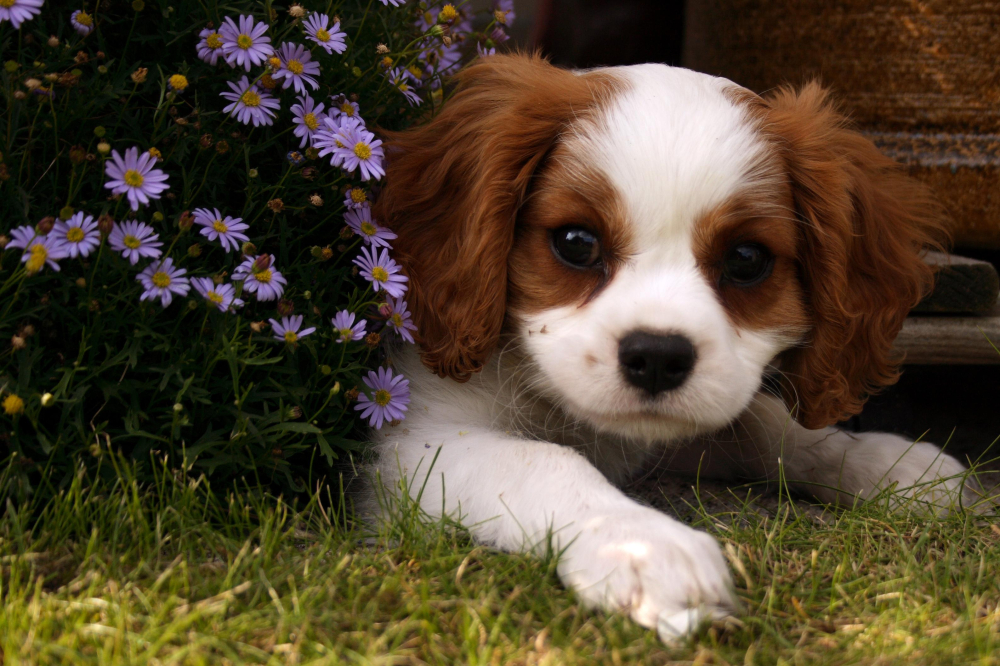
Dogs have a unique and complex system of communication that can often leave their human companions puzzled. One of the most intriguing and perhaps baffling behaviors exhibited by our canine friends is their apparent ability to smile. But what exactly does it mean when a dog “smiles”? Are they experiencing true happiness or is it simply a physical response? In this article, we will delve into the fascinating world of canine behavior to uncover the reasons behind why your dog might be flashing those pearly whites. We will explore the science behind their expressions, the cues to look for, and the potential meanings behind this enigmatic behavior. So, if you’ve ever found yourself wondering, “why is my dog smiling?” – read on as we dissect this curious phenomenon with an authoritative, analytical approach.
Table of Contents
- Reasons your dog might be smiling
- Understanding dog body language
- Indications of a happy dog
- Tips for promoting your dog’s happiness
- Interpreting different types of dog smiles
- Q&A
- The Conclusion
Reasons your dog might be smiling
Dogs are known for their ability to communicate through body language, and a smile can be one of the most heartwarming gestures they offer. While it may seem like your dog is flashing a grin, there are actually several reasons why they may be showing their pearly whites. Understanding the reasons behind your dog’s smile can help you better interpret their emotions and strengthen the bond you share.
One reason your dog may be smiling is to show submission and appeasement. When a dog pulls back their lips and exposes their teeth in a relaxed manner, it can indicate that they are trying to communicate non-threatening behavior to you or another dog. This type of smile is often accompanied by a wagging tail and a relaxed body posture.
Another possible reason for your dog’s smile is simply a sign of happiness and contentment. Dogs, like humans, experience joy and comfort in various situations, such as when receiving affection, playing, or enjoying a tasty treat. A relaxed and open-mouthed grin can be a clear indicator that your furry friend is feeling relaxed and content in their environment.
Understanding dog body language
Dogs communicate a lot through their body language, and one of the ways they express themselves is through their facial expressions. When a dog appears to be smiling, it can indicate a range of emotions and intentions, and understanding their body language is crucial to determining what they are trying to convey. Here are a few reasons why your dog might appear to be smiling:
- Relaxation: A dog may appear to be smiling when they are feeling relaxed and content. Their mouth may be slightly open, and their tongue may be hanging out, which can give the appearance of a smile. This relaxed expression is a positive indication that your dog is feeling at ease.
- Submission: When a dog shows their teeth in a relaxed manner, it can also indicate a sign of submission. This is their way of communicating that they are not a threat and are willing to submit to a more dominant figure, whether it be another dog or a human.
- Playfulness: Dogs often grin when they are feeling playful and excited. They may wag their tail, bounce around, and display a wide, open-mouthed grin to express their enthusiasm and excitement. This type of “smile” is a positive and joyful expression from your canine companion.
It’s essential to consider the context and the overall body language of your dog when trying to understand why they might be “smiling.” While it can often be a sign of happiness and contentment, it’s essential to assess the situation and their accompanying behavior to fully comprehend what they are trying to communicate.
Indications of a happy dog
While dogs may not be able to express their emotions through speech, they have various ways of showing their happiness. One of the most noticeable is their smile. Dogs have different ways of smiling, including a relaxed and open mouth, a lolling tongue, and bright, alert eyes.
include:
– Relaxed body language: A happy dog will have loose, wiggly body language. They may wag their tail, wiggle their body, and have a relaxed posture.
– Playfulness: Happy dogs love to play, whether it’s with their favorite toy or with their human companions. They may engage in play bows, zoomies, and other playful behaviors.
– Good appetite: A happy dog will have a healthy appetite and will eagerly eat their food.
– Affectionate behavior: Happy dogs often show affection towards their humans, including cuddling, licking, and leaning on them.
In addition to these indications, it’s also important to consider your dog’s overall well-being. A happy dog will have a healthy coat, bright eyes, and good energy levels. It’s important to keep an eye on your dog’s behavior and body language to ensure they are happy and healthy.
Tips for promoting your dog’s happiness
There are numerous factors that contribute to a dog’s happiness, and as a responsible pet owner, it’s essential to prioritize your furry friend’s well-being. Understanding the reasons behind your dog’s smiling behavior can help you create a positive and enriching environment for them. Here are some tips to promote your dog’s happiness:
- Regular exercise: Just like humans, dogs need regular physical activity to stay healthy and happy. Take your dog for daily walks, play fetch, or engage in other fun activities to keep them active and stimulated.
- Quality time: Dogs thrive on attention and affection from their owners. Spend quality time with your dog by petting, playing, or cuddling with them. This will create a strong bond and contribute to their overall happiness.
- Nutritious diet: A well-balanced diet is crucial for your dog’s physical and emotional well-being. Ensure that they are getting the right nutrients and proper portion sizes to stay healthy and happy.
By incorporating these tips into your routine, you can help ensure that your dog is smiling not just on the outside, but on the inside as well. A happy dog leads to a happy home, so prioritize their happiness and well-being to create a loving and harmonious environment for everyone.
Interpreting different types of dog smiles
There are several types of smiles that dogs display, and each one can convey different emotions and meanings. Understanding these different types of smiles can help you better interpret your dog’s behavior and strengthen your bond with them.
1. Submissive smile: A submissive smile is often accompanied by a lowered head, flattened ears, and a wagging tail. This type of smile indicates that your dog is trying to appease you or another dog in the vicinity. It’s a sign of deference and a way for them to show that they pose no threat.
2. Playful smile: When your dog is having fun, they may display a playful smile. This type of smile is often paired with a relaxed body posture, a wagging tail, and possibly some play bowing. It’s a way for them to communicate their enjoyment and excitement during playtime.
3. Content smile: A content smile is a relaxed and comfortable expression. Your dog may exhibit this type of smile when they are in a state of relaxation, feeling secure, or enjoying a pleasant interaction with you. They may have a slightly open mouth, soft eyes, and a gently wagging tail.
Understanding the different types of dog smiles can help you decipher your furry friend’s emotions and intentions more accurately. By paying attention to their body language and facial expressions, you can better respond to their needs and strengthen your bond with them.
Q&A
Q: Why does my dog sometimes appear to be smiling?
A: Dogs can exhibit a “smiling” expression as a form of communication. This can be a sign of happiness or contentment, and can also be a submissive gesture used to appease their owners or other dogs.
Q: What are the physical signs of a dog “smiling”?
A: A dog’s smile is typically characterized by a relaxed open mouth, with a slightly dropped jaw, and eyes that appear soft and relaxed. They may also show teeth in a non-threatening manner, with a lolling tongue.
Q: Are there specific triggers that cause a dog to smile?
A: Dogs may smile in response to positive interactions with their owners, such as receiving a treat, a belly rub, or verbal praise. They may also smile as a response to social cues from other dogs, or as a sign of submission in a potentially tense situation.
Q: Can a dog’s smile be mistaken for aggression?
A: It is important to consider the context and body language of the dog when interpreting their facial expressions. While a dog may appear to be smiling, other cues such as raised fur, growling, or a stiff body posture may indicate aggression rather than happiness.
Q: Do certain breeds of dogs smile more than others?
A: While individual personality and temperament play a significant role in a dog’s inclination to “smile”, certain breeds, such as Golden Retrievers and Labrador Retrievers, are known for their friendly and expressive faces, which can make them appear to be smiling more often.
Q: Are there any health concerns associated with a dog’s “smile”?
A: In some cases, a dog’s ”smile” may be indicative of a health issue, such as dental pain or discomfort. It is important for owners to monitor their dog’s overall well-being and seek veterinary attention if there are concerns about their pet’s behavior or physical condition.
The Conclusion
In conclusion, a dog’s smile can express a multitude of emotions, from happiness and contentment to submission and appeasement. Understanding the nuances of a dog’s smile can help us better interpret their emotions and strengthen our bond with them. By paying attention to their body language, facial expressions, and context, we can gain valuable insight into their inner world. So, the next time you see your dog smiling, take a moment to consider the potential reasons behind their joyful expression and appreciate the depth of their emotional lives.
Auto Amazon Links: No products found.

