



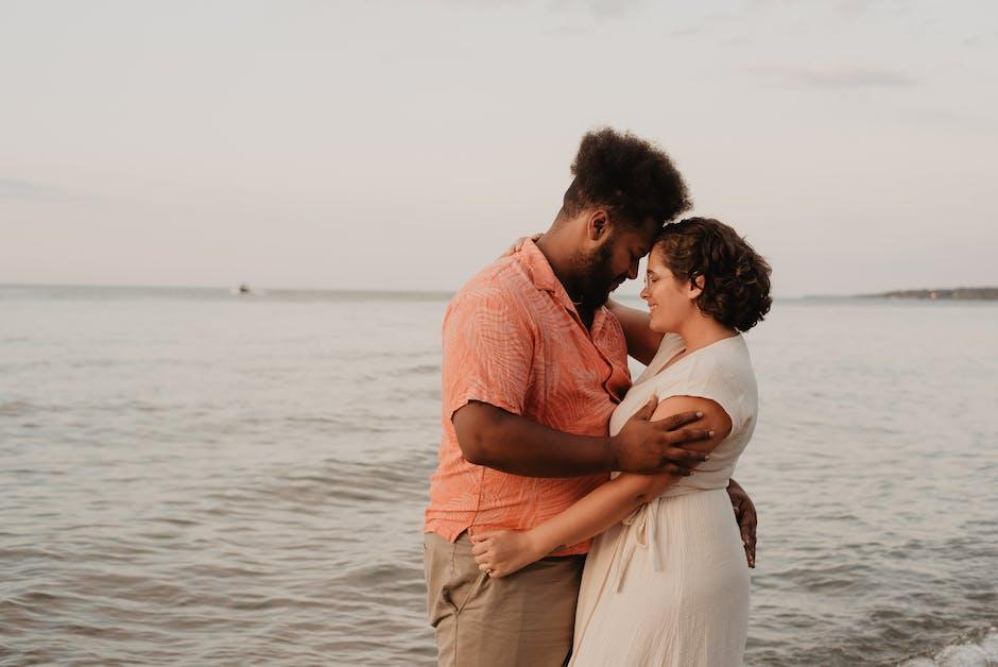
Marriage is a complex and intimate partnership, and at its core, it requires a deep emotional connection and love between spouses. For some individuals, however, feelings of insecurity and longing can arise when they feel that their partner does not reciprocate the same level of affection. In this article, we will explore the common experience of wishing for more love and affection from a spouse, and offer insights on how to navigate this challenging dynamic.
Table of Contents
- Signs that Your Husband May Not Love You
- Understanding the Importance of Love Languages in Marriage
- Strategies for Communicating Your Needs and Desires to Your Husband
- Exploring Professional Therapy and Counseling for Relationship Improvement
- Taking Assertive Steps Towards Creating a Healthier Relationship Dynamic
- Q&A
- The Conclusion
Signs that Your Husband May Not Love You
It can be incredibly painful to feel like your husband may not love you. If you’re struggling with doubts about your husband’s feelings for you, there are several signs to watch out for. These signs can help you determine whether your feelings are justified, and whether it’s time to address your concerns with your partner.
1. Lack of Emotional Connection: One of the most significant is a lack of emotional connection. If your husband seems distant, uninterested in your feelings, or unwilling to engage in meaningful conversations, it could be a red flag.
2. Lack of Affection: Affection is a crucial part of any loving relationship. If your husband has stopped showing you physical affection, such as hugging, kissing, or holding hands, it could be a sign that he is not feeling emotionally connected to you.
3. Lack of Support: A loving partner should provide emotional support in times of need. If your husband is unsupportive or dismissive of your feelings, it may indicate a lack of love and care for you.
Understanding the Importance of Love Languages in Marriage
Love languages are a crucial aspect of any successful marriage, as they play a significant role in how couples communicate and express affection towards one another. Understanding your partner’s love language can help strengthen the bond between you and your spouse, leading to a healthier and more fulfilling relationship. By identifying and acknowledging each other’s love language, couples can effectively meet each other’s emotional needs and build a stronger connection.
There are five main love languages, as outlined by marriage counselor Gary Chapman: words of affirmation, acts of service, receiving gifts, quality time, and physical touch. Each person has their own unique way of expressing and receiving love, and understanding these differences can help prevent misunderstandings and conflicts within the marriage. By learning to speak your partner’s love language, you can show them love in a way that truly resonates with them, ultimately strengthening the emotional bond between you and your spouse.
Strategies for Communicating Your Needs and Desires to Your Husband
Effective communication is key to any successful relationship, including marriage. When you feel like your husband doesn’t understand your needs and desires, it can lead to feelings of frustration and loneliness. However, there are strategies you can employ to help convey your feelings and improve the communication in your marriage.
Active Listening: Encourage your husband to actively listen when you are expressing your needs and desires. This means giving you his full attention, making eye contact, and showing empathy. By doing so, he can better understand where you are coming from and how he can meet your needs.
Use “I” Statements: When discussing your feelings, avoid using accusatory language or placing blame. Instead, use “I” statements to express how certain actions or behaviors make you feel. For example, “I feel lonely when we don’t spend quality time together” is more effective than “You never make time for me.”
Exploring Professional Therapy and Counseling for Relationship Improvement
When feeling unloved or unappreciated in a marriage, seeking professional therapy and counseling can be a beneficial way to improve the relationship. Many couples experience feelings of doubt and uncertainty when it comes to their partner’s love and affection, and it’s essential to address these concerns in a healthy and constructive manner.
Professional therapists and counselors can provide a safe and non-judgmental space for couples to explore their emotions, identify underlying issues, and develop effective communication skills. Through guided sessions, couples can work towards rebuilding trust, enhancing intimacy, and fostering a deeper connection with each other. The insights and strategies gained from therapy and counseling can not only strengthen the bond between partners but also promote personal growth and self-awareness.
Taking Assertive Steps Towards Creating a Healthier Relationship Dynamic
Creating a healthy relationship dynamic is important for the overall well-being of both partners. When one feels unloved in a marriage, it can be distressing and challenging to navigate. However, taking assertive steps towards fostering a healthier relationship can make a significant difference. Here are some strategies to consider:
- Open Communication: Addressing your feelings with your partner in a calm and respectful manner can pave the way for understanding and potential resolution. Honest communication allows both parties to express their thoughts and feelings, leading to a deeper understanding of each other’s perspectives.
- Setting Boundaries: Establishing healthy boundaries is crucial in any relationship. Clearly defining what is and isn’t acceptable behavior can help maintain a sense of respect and understanding between partners. Boundaries can also create a safer space for open communication and promote mutual respect.
- Seeking Support: Sometimes, seeking professional help through counseling or therapy can provide valuable insights and tools for improving the relationship dynamic. A neutral third party can help mediate discussions, offer guidance, and provide a safe environment for both partners to express themselves.
By implementing these assertive steps and remaining committed to fostering a healthier relationship dynamic, couples can work towards addressing feelings of being unloved and create a more fulfilling partnership.
Q&A
Q: What should I do if I wish my husband loved me?
A: It’s important to communicate openly and honestly with your husband about your feelings. Counseling or therapy can also help to address underlying issues.
Q: How can I improve my relationship with my husband?
A: Building strong communication skills, showing appreciation, and spending quality time together can help improve your relationship with your husband.
Q: What are the signs that my husband may not love me?
A: Signs may include lack of affection, disinterest in spending time together, and lack of effort to resolve conflicts.
Q: Can love be rekindled in a marriage?
A: Yes, with effort and willingness from both parties, love can be rekindled in a marriage through open communication and working on the relationship.
Q: How can I take care of myself if I feel unloved by my husband?
A: It’s important to prioritize self-care, seek support from friends and family, and consider seeking professional help if needed.
The Conclusion
In conclusion, the feeling of wishing for a partner’s love and affection is a common sentiment experienced in many marriages. It’s important to address these feelings and communicate openly with your spouse in order to work towards building a stronger and more loving relationship. Seeking professional help from a therapist or marriage counselor can also provide valuable support and guidance. Remember that love and connection in a relationship takes effort and commitment from both partners, and addressing these feelings can ultimately lead to a more fulfilling and loving marriage.
Auto Amazon Links: No products found.

