



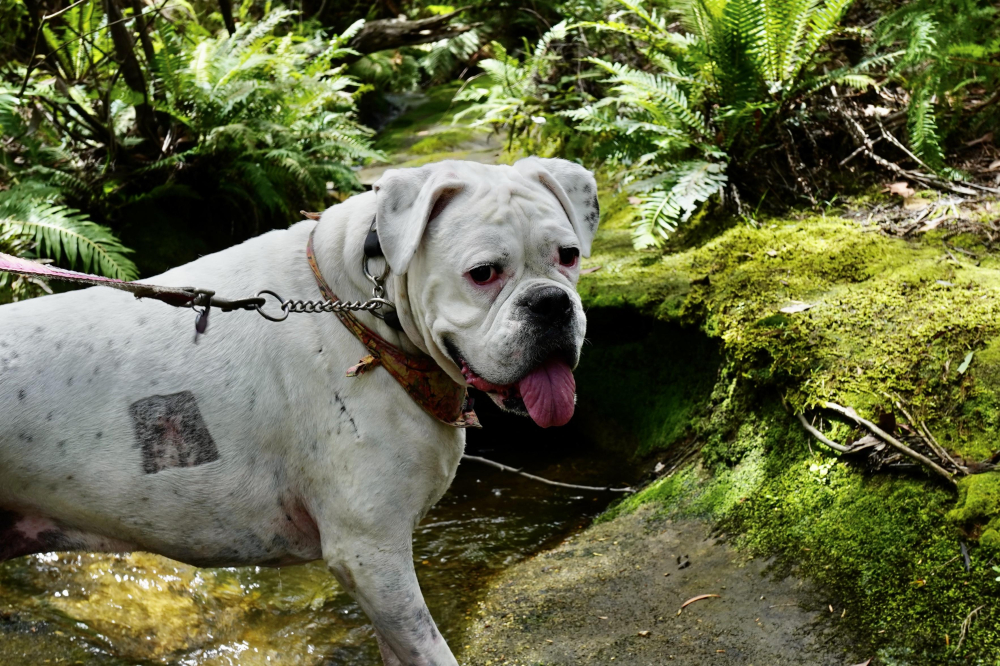
Have you ever noticed your dog making a strange squeaking noise that sounds like a toy being squeezed? This phenomenon may leave you wondering what could possibly be causing such a peculiar sound. In this article, we will delve into the various reasons why your dog may sound like a squeaky toy, exploring the potential physiological and behavioral factors at play. By examining these factors, we hope to provide a clear and authoritative understanding of this intriguing behavior in our canine companions.
Table of Contents
- Possible Reasons for Your Dog Sounding Like a Squeaky Toy
- Understanding the Role of Breeds and Genetics in Whiny Sounds
- Exploring Potential Health Issues Linked to Squeaky Noises in Dogs
- Effective Ways to Address and Reduce Whining in Dogs
- Professional Assessment and Intervention for Persistent Squeaky Noises in Dogs
- Q&A
- Key Takeaways
Possible Reasons for Your Dog Sounding Like a Squeaky Toy
It can be quite alarming when your beloved furry friend starts making noises that resemble a squeaky toy. There are a variety of reasons why your dog may sound like a squeaky toy, ranging from harmless playfulness to potentially serious health issues. Here are some possible explanations for this peculiar behavior:
- Respiratory Issues: Dogs with respiratory problems such as tracheal collapse or laryngeal paralysis may produce squeaky sounds when breathing. These conditions can be serious and should be evaluated by a veterinarian.
- Playfulness: Some dogs simply make squeaky sounds when they are excited or engaged in play. This is a harmless behavior and can be quite endearing.
- Foreign Object: It’s possible that your dog has ingested a small object that is causing the squeaky noise. If you suspect this is the case, seek immediate veterinary attention.
While it might be tempting to dismiss your dog’s squeaky noises as cute or amusing, it’s important to monitor their overall health and behavior. If you’re concerned about your dog’s unusual vocalizations, consult with a veterinarian for a proper assessment and guidance.
Understanding the Role of Breeds and Genetics in Whiny Sounds
When a dog makes whiny sounds, it can be quite perplexing for pet owners. Whining can be a common vocalization for dogs, and it can occur for a variety of reasons, including seeking attention, expressing anxiety, or indicating discomfort. However, the breed and genetics of a dog can also play a significant role in the type and frequency of whining sounds. Understanding how breeds and genetics influence a dog’s vocalizations can provide valuable insights into why your furry friend may sound like a squeaky toy.
**Breeds and Vocalization Traits**
Different dog breeds have been selectively bred for specific traits, including vocalizations. Some breeds are known for being more vocal than others, and this can manifest in various vocalizations, including whining. For example, breeds like Beagles, Dachshunds, and Siberian Huskies are known for their vocal nature and may be more prone to whining compared to other breeds. This tendency for vocalization is often rooted in the breed’s history and purpose, such as hunting, herding, or guarding.
**Genetic Influences on Whining Sounds**
Genetics also play a crucial role in a dog’s vocalization tendencies. Certain genetic factors can contribute to a dog’s propensity for whining, including the structure of their vocal cords and the development of their larynx. Additionally, genetic predispositions for anxiety or separation issues can influence a dog’s likelihood of whining in response to stress or loneliness. Understanding the genetic influences on whining sounds can help pet owners navigate and address their dog’s vocalizations more effectively.
Exploring Potential Health Issues Linked to Squeaky Noises in Dogs
Dogs are known for making a variety of noises, from barking and whining to growling and howling. However, if you’ve noticed that your dog sounds like a squeaky toy, it could be a cause for concern. There are several potential health issues that could be linked to squeaky noises in dogs, and it’s important to pay attention to any changes in your pet’s vocalizations.
Possible Health Issues:
- Respiratory Problems: Squeaky noises in dogs could be a sign of respiratory issues such as asthma, bronchitis, or tracheal collapse.
- Foreign Object: Your dog may have ingested a small object that is causing irritation or blockage in their airways, leading to squeaky sounds when breathing.
- Vocal Cord Dysfunction: Dysfunction of the vocal cords can result in abnormal vocalizations, including squeaky noises.
If you notice your dog making squeaky noises, it’s essential to consult with a veterinarian to rule out any potential health problems. A thorough examination and any necessary diagnostic tests can help determine the cause of the squeaky sounds and the appropriate course of action to address the issue.
Effective Ways to Address and Reduce Whining in Dogs
When your dog starts to sound like a squeaky toy, it can be a sign of whining behavior. Whining in dogs can be caused by a variety of reasons, from seeking attention to expressing discomfort or anxiety. It’s important for pet owners to address and reduce whining in dogs to ensure their wellbeing and maintain a peaceful home environment.
Here are some :
**Identify the cause**: Before addressing the whining behavior, it’s essential to understand why your dog is whining. It could be due to boredom, fear, separation anxiety, or even a medical issue. Observing your dog’s body language and behavior can help you determine the cause of their whining.
**Provide mental and physical stimulation**: Dogs need regular mental and physical exercise to stay happy and healthy. Engage in activities such as interactive play, puzzle toys, and obedience training to keep your dog mentally stimulated and reduce whining behavior.
**Create a safe and comfortable environment**: Ensuring your dog has a comfortable living environment can help reduce whining. Provide a cozy bed, manage the temperature, and offer a safe space where your dog can retreat when feeling anxious or overwhelmed.
By addressing the root cause of your dog’s whining and implementing these effective strategies, you can help reduce their whining behavior and create a harmonious living environment for both you and your furry companion.
Professional Assessment and Intervention for Persistent Squeaky Noises in Dogs
Persistent squeaky noises in dogs can be a cause of concern for dog owners. Dogs making squeaky noises can be quite alarming, especially if it is not a usual behavior. There are several reasons why your dog may sound like a squeaky toy, and it is essential to address this issue with professional assessment and intervention.
One common reason for dogs making squeaky noises is respiratory issues. This could be due to a variety of factors such as infections, allergies, or anatomical abnormalities. Another possible cause of persistent squeaky noises in dogs is related to their vocal cords. Dogs may develop problems with their vocal cords, leading to abnormal sounds when they bark or breathe. Additionally, gastrointestinal issues can also contribute to squeaky noises in dogs. Problems such as acid reflux or other digestive issues can lead to unusual sounds coming from your dog.
To address persistent squeaky noises in dogs, it is crucial to seek professional help from a veterinarian. A thorough examination and assessment will help identify the underlying cause of the issue. Once the cause is identified, appropriate intervention and treatment can be recommended to alleviate the squeaky noises and improve your dog’s overall well-being. **In some cases, surgical intervention may be necessary to correct anatomical abnormalities affecting your dog’s respiratory system.** Consulting with a professional will ensure the best course of action to address the problem effectively.
Q&A
Q: Why does my dog sound like a squeaky toy?
A: The high-pitched squeaking noise that some dogs make can be attributed to a condition called Reverse Sneeze. This occurs when a dog rapidly inhales air through its nose, causing the soft palate and throat to spasm, resulting in a squeaking sound. It is typically harmless and often triggered by excitement, exercise, or irritation in the throat or nose.
Q: Is the squeaky sound a cause for concern?
A: In most cases, the squeaky sound is not a cause for concern. However, if your dog experiences frequent or prolonged episodes of reverse sneezing, it is advisable to consult with a veterinarian to rule out any underlying health issues such as allergies, respiratory infections, or structural abnormalities in the airway.
Q: Can the squeaky sound be prevented or managed?
A: While it may not be possible to prevent reverse sneezing entirely, there are steps you can take to reduce the frequency of episodes. This includes keeping your dog away from known allergens, using a humidifier to keep the air moist, and using a harness instead of a collar to reduce pressure on the throat. In some cases, a veterinarian may prescribe medication or recommend certain techniques to help manage the condition.
Q: Are certain breeds more prone to making squeaky sounds?
A: Reverse sneezing can occur in any breed of dog, but some breeds, such as brachycephalic (short-nosed) breeds like Bulldogs, Pugs, and Shih Tzus, may be more susceptible due to their anatomical features. Additionally, small breeds and those with allergies may also be prone to experiencing reverse sneezing episodes.
Key Takeaways
In conclusion, the squeaky sounds that your dog makes can be attributed to various factors such as excitement, anxiety, or even medical issues. It is important to pay attention to your dog’s body language and behavior to determine the cause of these sounds. Consulting with a veterinarian is always a good idea if you are concerned about your dog’s health. Additionally, providing a calm and comforting environment for your dog can help reduce stress and anxiety that may be causing these squeaky noises. Remember, every dog is unique, so it’s essential to be observant and attentive to your furry friend’s needs. With proper care and attention, you can help ensure that your dog is happy and healthy, minimizing any squeaky toy noises they may make.

