



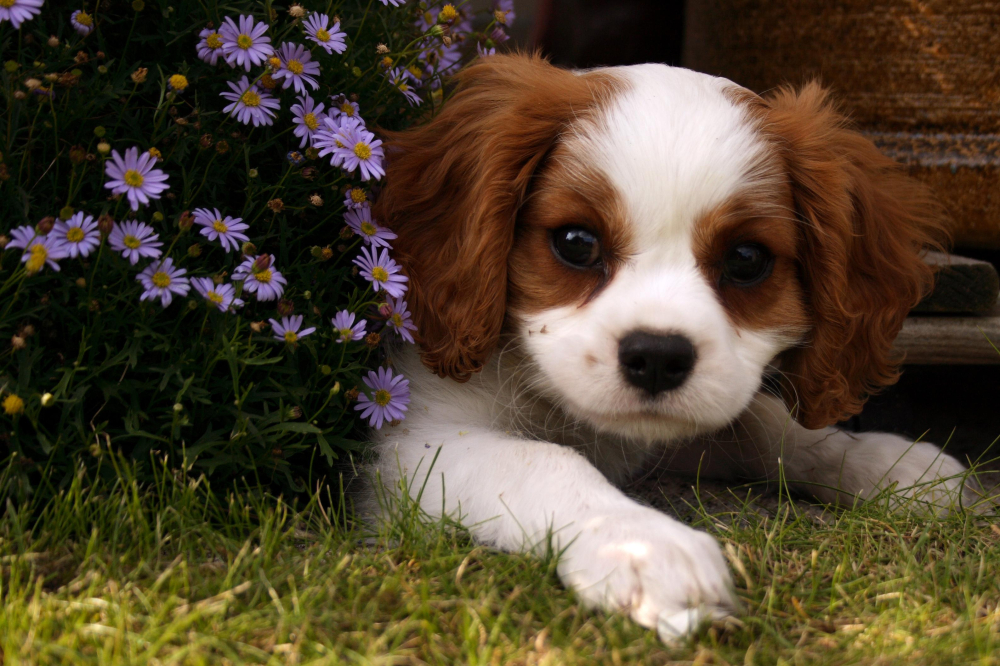
Some dog owners may wonder whether it is safe to trim their pet’s whiskers, particularly those located above the eyes. While the debate over whether trimming a dog’s whiskers poses a risk to their well-being continues, it is important to consider the potential consequences of such actions. In this article, we will delve into the anatomy and purpose of a dog’s whiskers, as well as the implications of trimming them, particularly those above the eyes. By examining this issue from an analytical standpoint, readers will gain a thorough understanding of the potential effects of trimming a dog’s whiskers and can make informed decisions regarding their pet’s grooming.
Table of Contents
- Potential Consequences of Trimming Dogs’ Whiskers
- The Purpose and Function of a Dog’s Whiskers
- Importance of Avoiding Trimming Whiskers Above Dogs’ Eyes
- Guidelines for Grooming and Maintaining Dogs’ Whiskers
- Q&A
- Final Thoughts
Potential Consequences of Trimming Dogs’ Whiskers
Dogs’ whiskers, also known as vibrissae, serve as a crucial sensory tool that helps them navigate their surroundings and understand the environment around them. Thus, trimming a dog’s whiskers, including those above their eyes, can have potential consequences that pet owners should consider before taking the action.
Consequences of trimming dogs’ whiskers include:
- Loss of Spatial Awareness: Whiskers help dogs navigate and explore their surroundings, and trimming them can result in a loss of spatial awareness, leading to bumps and accidents.
- Discomfort and Stress: Trimming whiskers can cause discomfort and stress to dogs, as they rely on their whiskers to sense objects, vibrations, and changes in their environment.
- Behavioral Changes: Dogs might exhibit behavioral changes such as anxiety or fear if their whiskers are trimmed, as it affects their ability to sense and understand their surroundings.
The Purpose and Function of a Dog’s Whiskers
Dogs whiskers are not just for show – they serve an important purpose for our furry friends. Whiskers, also known as vibrissae, are long, thick, and sensitive hairs that are found on a dog’s muzzle, above the eyes, and on their chin. These specialized hairs are deeply embedded in the dog’s body and are surrounded by nerve endings, making them incredibly sensitive to touch, vibration, and air movement.
One of the main functions of a dog’s whiskers is to help them navigate their surroundings. The whiskers above their eyes, known as supraorbital whiskers, are particularly important for this purpose. These whiskers are highly sensitive and act as a sort of “radar” system, helping the dog to sense objects and obstacles in their path. They also help dogs to gauge the width of openings and to detect changes in air currents, which can be especially useful in low-light conditions or when navigating unfamiliar environments.
Importance of Avoiding Trimming Whiskers Above Dogs’ Eyes
Whiskers, also known as vibrissae, are specialized hairs that are extremely sensitive to touch. They serve as a sensory tool for dogs, helping them navigate their surroundings and detect potential threats. One of the areas where dogs have prominent whiskers is above their eyes. These whiskers are particularly important for their spatial awareness and can provide crucial information about the proximity of objects and potential hazards.
Trimming the whiskers above a dog’s eyes can disrupt their ability to sense and navigate their environment effectively. This can lead to a range of negative consequences for your furry friend, including:
- Reduced spatial awareness
- Difficulty judging distances
- Increased likelihood of bumping into objects
- Heightened anxiety and stress
It’s important to understand the vital role that whiskers play in a dog’s sensory perception. While it may be tempting to trim whiskers for aesthetic reasons, it’s crucial to prioritize your dog’s well-being and avoid any unnecessary grooming practices that could compromise their natural abilities.
Guidelines for Grooming and Maintaining Dogs’ Whiskers
When it comes to grooming and maintaining a dog’s whiskers, it’s essential to understand the importance of these sensitive facial hairs. Whiskers are not just for show – they play a crucial role in a dog’s sensory perception. They help dogs navigate their surroundings, detect changes in the environment, and even communicate with other animals. Therefore, it’s essential to handle them with care and follow specific guidelines to ensure your dog’s well-being.
One common question that arises is whether it’s safe to trim a dog’s whiskers, especially those above their eyes. While it may be tempting to tidy up these long hairs, it’s crucial to resist the urge. Trimming a dog’s whiskers, including those above their eyes, can disrupt their ability to sense their surroundings and may lead to confusion and discomfort. It’s important to let their whiskers grow naturally and only trim them if absolutely necessary for medical reasons, and under the guidance of a professional veterinarian.
In conclusion, it’s crucial to respect and care for your dog’s whiskers to ensure their overall well-being and comfort. By following the guidelines for grooming and maintaining their whiskers, including refraining from trimming them above their eyes, you can help your furry friend navigate the world with confidence and ease. Always consult with a professional veterinarian for specific grooming concerns and prioritize your dog’s health and sensory needs.
Q&A
Q: Can you trim a dog’s whiskers above their eyes?
A: No, you should never trim a dog’s whiskers, including those above their eyes.
Q: Why is it important not to trim a dog’s whiskers?
A: Whiskers, also known as vibrissae, serve as a vital sensory organ for dogs. They are deeply embedded in the nerve cells at the base and are crucial for a dog’s spatial awareness and ability to navigate their environment.
Q: What are the potential consequences of trimming a dog’s whiskers above their eyes?
A: Trimming a dog’s whiskers can lead to sensory deprivation, which can cause disorientation, stress, and anxiety in dogs. Additionally, it can hinder their ability to avoid potential dangers and navigate through tight spaces.
Q: Are there any exceptions to this rule?
A: No, there are no exceptions. It is not recommended to trim a dog’s whiskers under any circumstance.
Q: How should pet owners maintain their dog’s whiskers?
A: Pet owners should not interfere with their dog’s whiskers. It’s important to groom around the whiskers carefully and to allow them to grow and shed naturally.
Q: What should I do if my dog’s whiskers are damaged or appear uneven?
A: If a dog’s whiskers appear damaged or uneven, it’s best to consult a veterinarian or a professional groomer for advice and guidance on proper care. Cutting or trimming them yourself is not recommended.
Final Thoughts
In conclusion, it is important to recognize the vital role that a dog’s whiskers play in their sensory perception and overall well-being. While it may be tempting to trim the whiskers above their eyes for aesthetic reasons, it is crucial to resist this urge and allow the whiskers to serve their natural function. Trimming a dog’s whiskers can have detrimental effects on their ability to navigate their environment and may lead to increased stress and anxiety. As responsible pet owners, it is our duty to prioritize the health and comfort of our animals, and this includes respecting their natural physiology. Therefore, it is strongly advised against trimming a dog’s whiskers above their eyes. Let us honor and protect the sensory faculties of our loyal canine companions.
Auto Amazon Links: No products found.

