



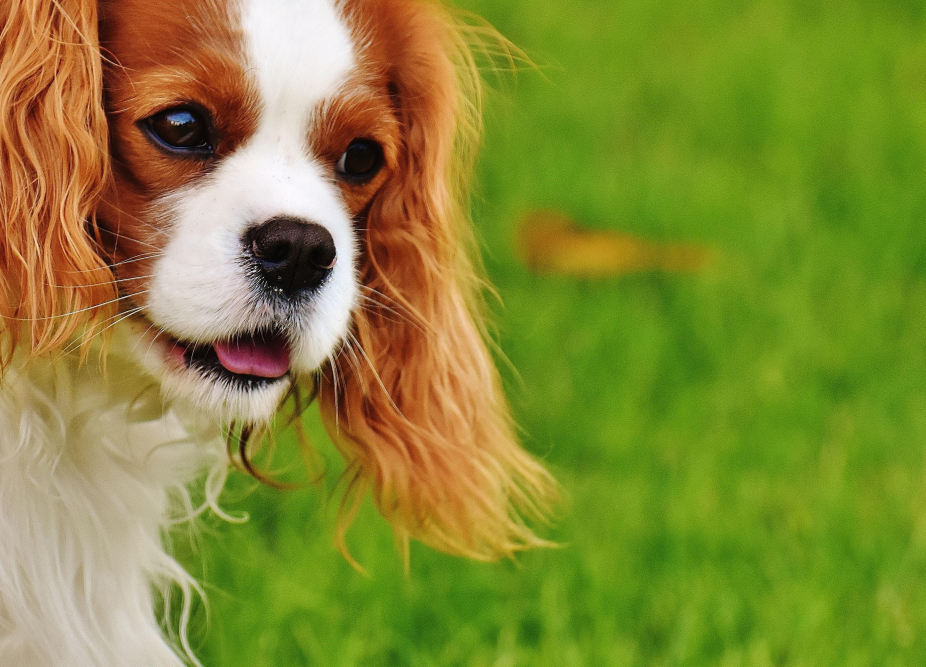
When it comes to understanding the behavior of our canine companions, their expressions and body language can often provide valuable insights. One such expression that has piqued the curiosity of dog owners and researchers alike is the “dog smile.” While the concept of dogs smiling is widely accepted, the actual physical manifestation of a dog’s smile is still a topic of debate and study within the field of animal behavior. In this article, we will delve into the question of what a dog’s smile looks like, examining the various visual cues and subtle signals that may indicate a dog’s happiness or contentment. Through a careful analysis of canine facial expressions and behaviors, we aim to shed light on the elusive but unmistakable signs of a dog’s genuine smile.
Table of Contents
- The Anatomy of a Dog’s Smile: Understanding Facial Expressions in Canines
- Recognizing a Happy Dog: Key Indicators of a Genuine Canine Smile
- Interpreting the Language of Canine Emotions: Deciphering Dog Smiles
- The Science Behind Dog Smiles: Exploring the Psychology of Canine Facial Expressions
- Q&A
- Key Takeaways
The Anatomy of a Dog’s Smile: Understanding Facial Expressions in Canines
Understanding a dog’s smile can help pet owners better interpret their furry friend’s emotions. A dog’s smile is not the same as a human smile, as it involves a combination of facial expressions and body language. When a dog is happy, excited, or content, they may exhibit a “smile” that consists of the following:
- Raised lips: A dog may slightly raise the corners of their lips, exposing their front teeth, which can resemble a human smile.
- Relaxed eyes: When a dog is genuinely happy, their eyes may appear relaxed, with a soft, gentle gaze.
- Open mouth: A dog’s mouth may be partially open, with the tongue hanging out and a relaxed jaw.
It’s important to note that not all instances of a raised lip in dogs indicate a smile. In some cases, a raised lip, along with other body language cues, could signal fear, discomfort, or aggression. To accurately interpret a dog’s smile, it’s essential to consider their overall behavior and the context in which the smile occurs.
The Science Behind a Dog’s Smile
The anatomy of a dog’s smile is rooted in evolutionary and behavioral factors. Dogs have learned to communicate with humans through facial expressions, and their smiles can convey a range of emotions, including:
- Friendliness
- Submission
- Playfulness
- Contentment
This ability to express emotions through smiles has evolved as a way for dogs to bond with humans and convey their needs and feelings. Researchers have also found that dogs may mirror their owner’s facial expressions, further strengthening the human-canine bond.
Overall, understanding the anatomy of a dog’s smile involves recognizing the nuances of their facial expressions and body language, enabling pet owners to form a deeper connection with their beloved canine companions.
Recognizing a Happy Dog: Key Indicators of a Genuine Canine Smile
Recognizing a happy dog is crucial for every pet owner, and one of the key indicators of a genuine canine smile is their body language and facial expressions. A happy dog will exhibit certain behaviors and physical cues that communicate their joy and contentment. By understanding these signs, you can ensure that your furry friend is happy and well-cared for.
One of the most obvious indicators of a happy dog is their smile. A genuine canine smile is unmistakable, and it typically involves a relaxed facial expression with their mouth slightly open. When a dog is happy, you may also notice them panting with a relaxed expression, and their eyes may appear bright and alert. Additionally, their body language will be relaxed, and they may wag their tail or wiggle their entire body in excitement. It’s important to note that a happy dog’s smile is not the same as baring their teeth, which is a sign of aggression or fear. By paying attention to these key indicators, you can easily recognize when your dog is smiling and content.
In addition to their smile, a happy dog will display other signs of contentment, such as a relaxed posture, floppy ears, and a wagging tail. They may also exhibit playful behavior, such as jumping, running around, and engaging in interactive play with their human or other dogs. By recognizing these key indicators of a happy dog, you can ensure that your furry friend is thriving and living their best life.
Interpreting the Language of Canine Emotions: Deciphering Dog Smiles
Understanding the subtle cues of canine emotions is crucial for pet owners to effectively communicate with their furry companions. One of the most endearing expressions of a dog’s emotions is their smile. While it may not resemble a human smile, dogs have their own unique way of conveying happiness and contentment through their facial expressions.
So, what does a dog smile actually look like? Here are some key indicators to help you decipher your pup’s joyful expression:
- Raised lips: A dog’s version of smiling often involves the corners of their lips being pulled back, creating a subtle upward curve.
- Relaxed eyes: When a dog is genuinely smiling, their eyes will appear soft and relaxed, with no tension or narrowing.
- Wagging tail: A dog’s smile is often accompanied by a wagging tail, indicating their excitement and happiness.
By paying attention to these visual cues, you can better interpret the language of canine emotions and deepen your bond with your beloved pet.
| Visual Cue | Explanation |
|---|---|
| Raised lips | A sign of a dog’s happiness and excitement |
| Relaxed eyes | Indicates genuine joy and contentment |
| Wagging tail | Accompanies a dog’s smile as a display of happiness |
The Science Behind Dog Smiles: Exploring the Psychology of Canine Facial Expressions
Dog smiles are an intriguing aspect of canine behavior that have captivated dog owners and researchers alike. The science behind dog smiles lies in the complex psychology of canine facial expressions. Understanding what a dog smile looks like can provide insights into the emotions and motivations behind this endearing behavior.
When a dog smiles, their facial expression may include the following key features:
- Relaxed mouth with slightly open lips
- Exposed front teeth
- Relaxed eyes with a soft, gentle gaze
These subtle cues often accompany a wagging tail and overall relaxed body language, indicating a positive emotional state. The psychology behind a dog’s smile is rooted in their ability to communicate happiness, contentment, and a desire for social connection with their human companions. Understanding the science behind dog smiles can deepen the bond between humans and their beloved canine companions.
Q&A
Q: What does a dog smile look like?
A: A dog’s smile is typically characterized by a relaxed and open expression, with their mouth slightly open and their tongue often visible. Their eyes may appear soft and their ears may be in a neutral or slightly relaxed position.
Q: How can you tell if a dog is truly smiling?
A: To determine if a dog is truly smiling, it is important to consider their overall body language and the context of the situation. A genuine dog smile is often accompanied by a wagging tail, relaxed body posture, and a generally happy and approachable demeanor. Paying attention to these cues can help differentiate a true smile from other facial expressions.
Q: Can all dogs smile?
A: While not all dogs may exhibit a traditional human-like smile, many dogs do have the ability to express happiness and contentment through their facial expressions. Dog breeds with looser facial muscles, such as those with floppy lips or jowls, are more likely to display a visible smile.
Q: Are there any signs of a forced smile in dogs?
A: Dogs, like humans, can exhibit forced or submissive smiles as a way to appease or communicate submission. Signs of a forced smile may include tense facial muscles, a closed mouth, and a lack of other positive body language cues such as tail wagging or relaxed posture.
Q: Can a dog’s smile change based on its mood?
A: Yes, a dog’s smile can certainly change based on its mood. When a dog is feeling happy and content, their smile may be loose and relaxed. Conversely, when a dog is feeling anxious or uncomfortable, their smile may appear forced or tight. It is important to consider the overall context and body language when interpreting a dog’s smile.
Key Takeaways
In conclusion, the smile of a dog is a complex and often misunderstood expression. While it may not always look like a human smile, dogs have their own unique way of conveying happiness and contentment through their facial expressions. By understanding the subtle cues and body language of our canine companions, we can deepen our bond with them and better meet their emotional needs. So, the next time your dog shows a “smile,” take a closer look and appreciate the intricate language of their expressions. Understanding a dog’s smile can truly enhance our relationship with man’s best friend.

