



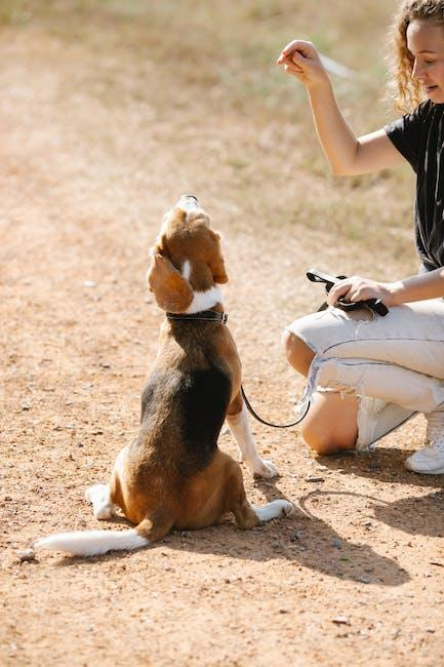
Training a dog to walk on a leash is a crucial skill for any pet owner. Not only does it ensure the safety of the dog and those around them, but it also provides mental and physical stimulation for the animal. In this article, we will outline effective strategies for teaching your dog to walk calmly and obediently on a leash. Whether you have a young puppy or an older dog, these methods have been proven to be successful in creating a positive and enjoyable walking experience for both you and your furry companion.
Table of Contents
- Selecting the Right Leash and Collar for Your Dog
- Understanding Your Dog’s Behavior and Body Language
- The Proper Way to Introduce Your Dog to the Leash
- Training Techniques for Teaching Your Dog to Walk on a Leash
- Troubleshooting Common Issues and Challenges with Leash Training
- Q&A
- To Conclude
Selecting the Right Leash and Collar for Your Dog
When it comes to training your dog to walk on a leash, having the right leash and collar is essential. There are various options available, so it’s important to choose the one that best suits your dog’s size, strength, and behavior. Here are some factors to consider when selecting the right leash and collar for your furry friend:
Types of Leashes:
– Standard leash: This is the most common type of leash, usually made of nylon or leather, and comes in various lengths.
– Retractable leash: This type of leash allows your dog more freedom to explore while still maintaining control.
– Martingale leash: Ideal for dogs that tend to slip out of their collars, this leash tightens when your dog pulls, preventing them from escaping.
Types of Collars:
– Flat collar: This is the most basic type of collar, suitable for most dogs and ideal for attaching identification tags.
– Martingale collar: Similar to the martingale leash, this collar tightens when your dog pulls, providing gentle control without choking them.
– Head halter: This type of collar gives you more control over your dog’s head, making it easier to guide them on walks.
Choosing the right leash and collar for your dog will make the training process much more effective and enjoyable for both you and your furry companion. Keep in mind that every dog is unique, so it may take some trial and error to find the perfect combination that works for your dog’s specific needs and behavior. Consult with a professional dog trainer or behaviorist for personalized recommendations based on your dog’s individual temperament and training requirements.
Understanding Your Dog’s Behavior and Body Language
is crucial when it comes to teaching them how to walk on a leash. Dogs communicate through their body language, and understanding their cues can help you train them effectively. Here are some tips to help you understand your dog’s behavior and body language when it comes to leash training:
– **Tail wagging**: A wagging tail can indicate that your dog is excited or happy. If your dog’s tail is wagging while on a leash, it could mean that they are enjoying the walk and are comfortable with the leash.
– **Ears**: Pay attention to your dog’s ears. If they are perked up, it could mean that they are alert and focused. However, if their ears are pinned back, it could indicate that they are feeling anxious or fearful.
– **Body posture**: Your dog’s body posture can tell you a lot about how they are feeling. A relaxed and loose posture indicates that they are comfortable, while a stiff and tense posture could mean that they are feeling stressed.
When leash training your dog, it’s important to be patient and observant of their behavior. By understanding their body language, you can create a positive and rewarding experience for both you and your furry friend.
The Proper Way to Introduce Your Dog to the Leash
Introducing your dog to the leash is an essential step in ensuring enjoyable and stress-free walks for both you and your furry friend. Whether you are training a new puppy or working with an older dog, the process can be straightforward with the right approach. Here are a few tips to help you introduce your dog to the leash properly.
First, start by associating the leash with positive experiences. Leave the leash where your dog can see and sniff it, allowing them to get comfortable with its presence. Then, offer treats and praise whenever your dog shows interest in or approaches the leash. This will create a positive association and make them more receptive to the idea of wearing it.
Next, gradually introduce the leash to your dog’s collar or harness. Start by letting them wear the collar or harness around the house for short periods. Once they are comfortable with this, attach the leash for brief periods of time while inside, allowing them to drag it around under supervision. This will help them get used to the feeling of the leash without the added pressure of going for a walk right away. **Remember that patience is key during this process, and it’s important to go at your dog’s pace.**
Training Techniques for Teaching Your Dog to Walk on a Leash
Teaching your dog to walk on a leash can be a challenging but essential aspect of training. With the right techniques and patience, you can ensure that your furry companion becomes a well-behaved and obedient walker. Here are some effective training techniques to help you achieve success:
- Positive Reinforcement: Use treats and praise to encourage your dog to walk beside you on a leash. Rewarding good behavior will reinforce the desired walking behavior.
- Consistency: Be consistent in your training approach. Use the same commands and signals each time you take your dog for a walk to avoid confusion.
- Start in a Controlled Environment: Begin training in a familiar and quiet space to minimize distractions and gradually progress to busier areas as your dog becomes more comfortable with walking on a leash.
Additionally, using the right leash and harness can also make a significant difference in training your dog to walk properly. Choose a leash that is the appropriate length and a harness that is comfortable for your dog to wear. Consistent practice and patience are key to successfully teaching your dog to walk on a leash. With time and dedication, you can enjoy pleasant walks with your well-trained pooch.
Troubleshooting Common Issues and Challenges with Leash Training
Identifying and Solving Common Leash Training Problems
Leash training is an essential skill for any dog owner, but it can be rife with challenges. One common issue that many dog owners face is leash pulling. Dogs are naturally curious and want to explore their surroundings, leading them to pull on the leash. To tackle this problem, start by reinforcing loose leash walking with positive reinforcement. Whenever your dog walks beside you without pulling, reward them with treats or verbal praise. Consistency is key, so be patient and persistent with your training.
Another common issue is leash reactivity, where a dog becomes anxious or aggressive when on a leash. This can pose a danger to both the dog and the owner. To address leash reactivity, start by identifying the triggers that cause the reactive behavior. Once you understand the triggers, you can gradually desensitize your dog to them through counter-conditioning techniques. For example, if your dog is reactive to other dogs, start by keeping a safe distance and rewarding calm behavior. Slowly decrease the distance as your dog becomes more comfortable, always using positive reinforcement.
Q&A
Q: Why is it important to get a dog to walk on a leash?
A: Walking on a leash is essential for the safety and control of your dog, as well as for the safety and comfort of others around you.
Q: What are some tips for getting a dog to walk on a leash?
A: Start with positive reinforcement and rewards, establish a routine, and gradually increase the distance and duration of the walks.
Q: How can I train my dog to walk on a leash without pulling?
A: Use gentle leads and harnesses, give clear commands, and consistently reinforce good walking behavior.
Q: Are there any specific techniques for training a stubborn or difficult-to-train dog?
A: For stubborn dogs, it may be helpful to seek the assistance of a professional dog trainer, and to use patience and consistency in training.
Q: Are there any common mistakes to avoid when training a dog to walk on a leash?
A: Avoid using harsh or punitive methods, and do not reward negative behavior such as pulling or lunging.
Q: How long does it typically take to train a dog to walk on a leash?
A: The time it takes to train a dog to walk on a leash can vary depending on the dog’s breed, age, and previous training, but with consistent effort, most dogs can be trained within a few weeks.
To Conclude
In conclusion, teaching a dog to walk on a leash requires patience, consistency, and positive reinforcement. By following the tips and techniques outlined in this article, owners can help their dogs develop good leash manners and enjoy pleasant walks together. Remember to start with basic training, gradually increase distractions, and continuously reinforce good behavior. With time and effort, both the owner and the dog can develop a strong and harmonious bond during walks on the leash. Happy walking!
Auto Amazon Links: No products found.

