



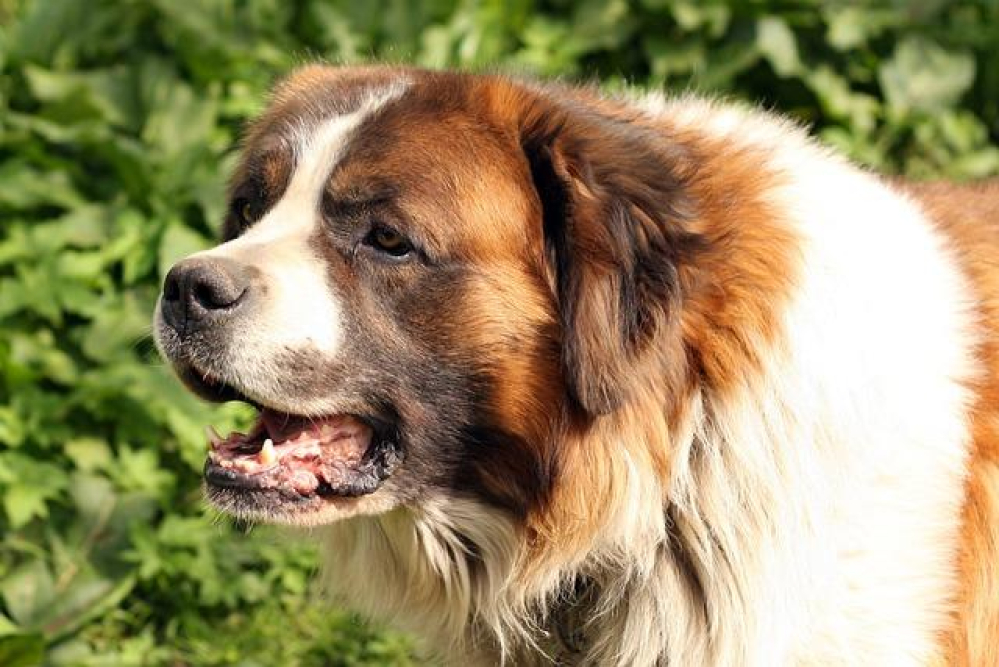
When considering the ideal breed for a family pet or working dog, the debate between the St. Bernard and the Great Pyrenees often arises. Both breeds exhibit qualities that make them popular choices, but their differences are significant. In this analytical comparison, we will examine the unique traits, temperaments, and physical characteristics of the St. Bernard and the Great Pyrenees, ultimately aiming to help readers make an informed decision when choosing the best fit for their lifestyle.
Table of Contents
- – Appearance and Size: Contrasting the Physical Characteristics of St. Bernard and Great Pyrenees
- – Temperament and Behavior: Understanding the Differences in Personalities and Traits
- – Exercise and Training: Tailoring the Needs of St. Bernard and Great Pyrenees
- – Health and Care: Managing the Unique Health Concerns and Grooming Requirements
- – Suitability as Working Dogs: Evaluating the Performances and Roles of St. Bernard and Great Pyrenees
- Q&A
- To Conclude
– Appearance and Size: Contrasting the Physical Characteristics of St. Bernard and Great Pyrenees
When comparing the physical attributes of St. Bernard and Great Pyrenees, it’s important to note the distinct differences between these two large and majestic dog breeds. Both dogs are known for their impressive size and appearance, but there are several key differences to consider.
St. Bernards are known for their massive size, with males typically standing between 27-30 inches tall at the shoulder and weighing anywhere from 140-180 pounds. Their large, muscular build and deep chest give them a powerful and imposing presence. On the other hand, Great Pyrenees are slightly smaller, with males standing between 27-32 inches tall and weighing between 100-160 pounds. They have a more elegant and regal appearance, with a strong and graceful build that exudes strength and dignity.
In terms of coat appearance, St. Bernards have a dense, thick coat that is typically short to medium in length, which helps to protect them from the cold. They come in various colors, with the most common being a classic combination of white with patches of rust, red, mahogany, or brindle. Great Pyrenees, on the other hand, have a thick, weather-resistant double coat that is always white or white with markings of gray, tan, reddish-brown, or badger. This coat provides insulation and protection, as well as giving them a striking and majestic appearance.
– Temperament and Behavior: Understanding the Differences in Personalities and Traits
When it comes to choosing between St. Bernard and Great Pyrenees, understanding the differences in their temperament and behavior is crucial. Both breeds have distinct personalities and traits that can greatly impact their suitability for different lifestyles and living situations. By understanding the unique characteristics of each breed, you can make an informed decision about which one is the best fit for your home and family.
**Temperament**:
- St. Bernard: Known for being gentle, friendly, and affectionate. They are intelligent and eager to please, making them great companions for families.
– Great Pyrenees: These dogs are independent, loyal, and protective. They have a strong instinct to guard and protect their families and are often reserved with strangers.
**Behavior**:
- St. Bernard: They thrive on human interaction and are generally good with children and other pets. St. Bernards can be laid-back and easy-going, but they may have a stubborn streak at times.
– Great Pyrenees: These dogs are known for their patience and calm demeanor. They are typically good with children and other animals, but their protective nature may lead to territorial behaviors if not properly socialized.
Understanding these differences in temperament and behavior is crucial when comparing St. Bernard vs Great Pyrenees. Both breeds have their own unique qualities, and it’s important to consider how these traits align with your lifestyle and preferences.
– Exercise and Training: Tailoring the Needs of St. Bernard and Great Pyrenees
Exercise and Training: Tailoring the Needs of St. Bernard and Great Pyrenees
When it comes to exercise and training, St. Bernards and Great Pyrenees have different needs due to their size, energy levels, and temperament. Tailoring the exercise and training routine to meet the specific needs of each breed is essential in ensuring their physical and mental well-being.
Exercise Needs
St. Bernards are large, powerful dogs that require daily exercise to keep them fit and healthy. On the other hand, Great Pyrenees are known for their calm and steady demeanor, which means they may not need as much physical activity as St. Bernards. When it comes to exercise, it’s important to consider the following:
- St. Bernards: They benefit from long walks, hikes, and opportunities to play in a secure area.
- Great Pyrenees: They enjoy leisurely walks and moderate exercise, but over-exertion should be avoided due to their calm nature.
Training Needs
Training is essential for both St. Bernards and Great Pyrenees to ensure they are well-behaved and obedient. However, their different temperaments require different training approaches:
- St. Bernards: They respond well to positive reinforcement and gentle guidance, as they are known for their gentle and easygoing nature.
- Great Pyrenees: They are independent thinkers and may require more patience and consistency in training. Early socialization is also important for this breed.
In conclusion, understanding the exercise and training needs of St. Bernards and Great Pyrenees is crucial in providing them with a happy and fulfilling life. By tailoring the exercise routine and training approach to each breed’s specific requirements, owners can ensure that their beloved pets are healthy, well-behaved, and thriving.
– Health and Care: Managing the Unique Health Concerns and Grooming Requirements
When it comes to large and majestic dog breeds, St. Bernards and Great Pyrenees are two of the most beloved choices for pet owners. Both breeds have unique health concerns and grooming requirements that require special attention and care. Understanding the differences between the two breeds can help owners make informed decisions about their health and grooming needs.
St. Bernards are known for their friendly and gentle nature, but they are also prone to certain health issues such as hip dysplasia, elbow dysplasia, and heart conditions. Their grooming requirements include regular brushing to keep their thick fur free of mats and tangles, as well as regular ear cleaning to prevent infections. On the other hand, Great Pyrenees are known for their protective instincts and can be prone to health issues such as bloat, hip dysplasia, and arthritis. Their grooming needs include regular brushing to prevent shedding and matting, as well as regular nail trimming to prevent overgrowth.
In summary, both St. Bernards and Great Pyrenees have unique health concerns and grooming requirements that owners must be aware of. By understanding the specific needs of each breed, owners can provide the best possible care for their beloved pets, ensuring they live happy and healthy lives.
– Suitability as Working Dogs: Evaluating the Performances and Roles of St. Bernard and Great Pyrenees
Suitability as Working Dogs: Evaluating the Performances and Roles of St. Bernard and Great Pyrenees
When it comes to evaluating the performances and roles of St. Bernard and Great Pyrenees as working dogs, there are several factors to consider. Both breeds have a rich history of serving as working dogs, particularly in mountainous regions, and they possess unique traits and characteristics that make them well-suited for various tasks. In this article, we will analyze the suitability of St. Bernard and Great Pyrenees as working dogs, taking into account their physical abilities, temperament, and historical roles.
Physical Abilities:
- St. Bernard: Known for their large size and strength, St. Bernards are well-equipped for tasks such as pulling carts, rescuing avalanche victims, and providing protection.
- Great Pyrenees: Similarly, Great Pyrenees are renowned for their impressive strength and endurance, making them suitable for guarding livestock and navigating challenging terrains.
Temperament:
- St. Bernard: These dogs are known for their gentle and friendly nature, making them adept at working in search and rescue missions or providing companionship to humans.
- Great Pyrenees: With their calm and protective demeanor, Great Pyrenees excel at guarding livestock and serving as reliable watchdogs.
Historical Roles:
| St. Bernard | Great Pyrenees |
| Avalanche rescue | Livestock guardian |
| Cart pulling | Protecting flocks |
| Therapy and companionship | Watchdog duties |
Q&A
Q: What are the main differences between St. Bernard and Great Pyrenees dogs?
A: St. Bernards are known for their large size and gentle temperament, while Great Pyrenees are renowned for their protective nature and independent behavior.
Q: Which breed is more suitable for families with young children?
A: St. Bernards are generally considered to be more suitable for families with young children due to their calm and patient demeanor. Great Pyrenees can also be good with children, but their independent nature may require more training and supervision.
Q: What are the exercise and grooming needs of these two breeds?
A: Both St. Bernards and Great Pyrenees are large, active breeds that require regular exercise. However, St. Bernards may need less exercise compared to Great Pyrenees. In terms of grooming, both breeds have a thick double coat that requires regular brushing and grooming to prevent matting and shedding.
Q: Which breed is easier to train and handle?
A: St. Bernards are known to be eager to please and generally easier to train compared to Great Pyrenees, which can be more independent and stubborn. Both breeds require positive reinforcement training and consistency from an experienced handler.
Q: Are there any health concerns to consider with these breeds?
A: Both St. Bernards and Great Pyrenees are prone to certain health issues, such as hip dysplasia, bloat, and heart conditions. Potential owners should be aware of these breed-specific health concerns and take proper precautions to ensure their dogs’ well-being.
Q: What are the typical temperaments of St. Bernards and Great Pyrenees?
A: St. Bernards are often described as gentle giants, known for their calm and affectionate nature. Great Pyrenees, on the other hand, are protective and independent, with a strong instinct to guard and watch over their family and home. Understanding and respecting these temperamental differences is crucial for potential owners.
To Conclude
In conclusion, both the St. Bernard and the Great Pyrenees are exceptional breeds with distinct characteristics and traits. While the St. Bernard is revered for its gentle and affectionate nature, the Great Pyrenees is known for its loyal and protective demeanor. Understanding the differences between these two breeds is crucial for any prospective dog owner. Ultimately, the choice between a St. Bernard and a Great Pyrenees will depend on the individual’s lifestyle, preferences, and needs. Whichever breed is chosen, one can be assured of the companionship and loyalty of a remarkable canine companion.
Auto Amazon Links: No products found.

