



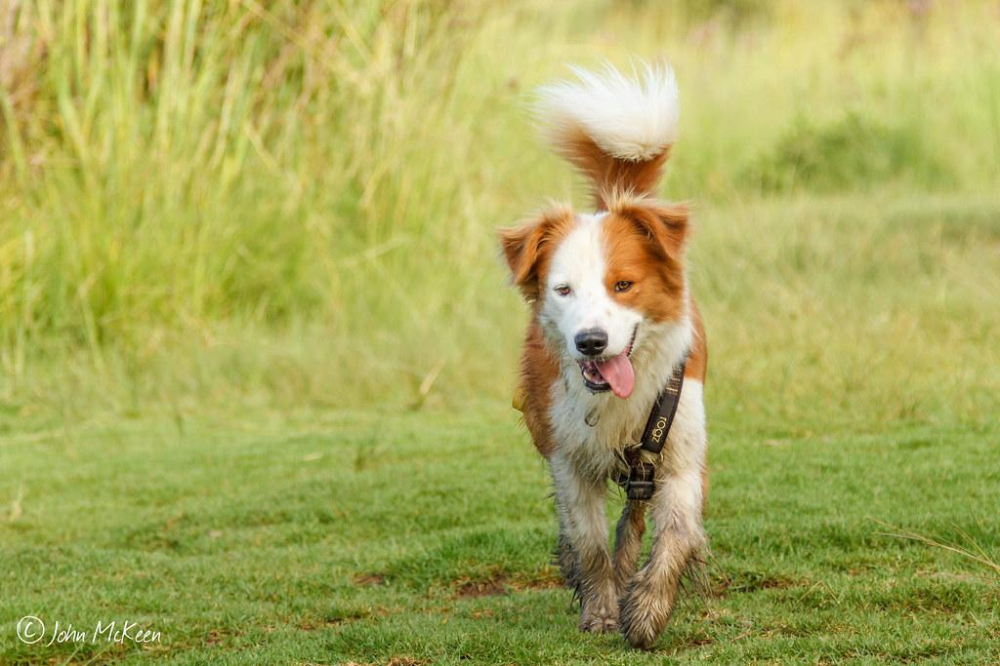
Excessive licking in dogs can be a frustrating and concerning behavior for many pet owners. Whether the constant licking is directed at themselves, other pets, or even inanimate objects, it can lead to discomfort, skin irritation, and damage to household items. In this article, we will explore the various reasons behind excessive licking in dogs and provide a comprehensive guide on how to effectively address and stop this behavior. With the right understanding and approach, you can help your furry friend break the cycle of excessive licking and improve their overall well-being.
Table of Contents
- Understanding the Root Causes of Excessive Licking in Dogs
- Identifying Behavioral Triggers and Environmental Factors
- Implementing Positive Reinforcement and Distractive Techniques
- Seeking Professional Help and Medical Evaluation
- Q&A
- Concluding Remarks
Understanding the Root Causes of Excessive Licking in Dogs
Excessive licking in dogs is a common issue that many pet owners face. Understanding the root causes of this behavior can help in effectively addressing and stopping it. There are various reasons why dogs engage in excessive licking, including medical, behavioral, and environmental factors.
One of the most common medical reasons for excessive licking in dogs is allergies. Dogs can be allergic to food, environmental factors, or even fleas. Allergies can cause itching and discomfort, leading to excessive licking as a way to alleviate the irritation. Additionally, skin conditions such as dermatitis and hot spots can also lead to excessive licking.
Behavioral reasons for excessive licking may include anxiety, boredom, or compulsive disorders. Dogs that are anxious or bored may start licking as a way to self-soothe or alleviate stress. Similarly, compulsive disorders can manifest as excessive licking, as the dog engages in the behavior repeatedly and uncontrollably. Environmental factors such as dry or irritated skin can also contribute to excessive licking.
To address this issue, it’s important to identify and address the root cause of the excessive licking. Consulting with a veterinarian to rule out any underlying medical conditions is crucial. Additionally, providing mental and physical stimulation for anxious or bored dogs, as well as addressing environmental factors such as dry skin, can help in stopping excessive licking. Training and behavior modification techniques can also be employed to address compulsive licking behavior in dogs. By , pet owners can take proactive steps to effectively address and stop this behavior.
| Allergies | Can cause itching and discomfort, leading to excessive licking |
| Behavioral issues | Anxiety, boredom, and compulsive disorders can lead to excessive licking |
| Environmental factors | Dry or irritated skin can also contribute to excessive licking |
Identifying Behavioral Triggers and Environmental Factors
Excessive licking in dogs can be a frustrating behavior for pet owners to deal with. However, identifying the behavioral triggers and environmental factors that contribute to this behavior is the first step in addressing and stopping it. By understanding what is causing your dog to excessively lick, you can take appropriate measures to modify their behavior and provide a more comfortable and less stressful environment for them.
Behavioral Triggers
Dogs may excessively lick themselves due to various reasons, including:
- Stress or anxiety
- Boredom or lack of mental stimulation
- Pain or discomfort
- Compulsive behavior
- Attention seeking
Environmental Factors
Environmental factors that can contribute to excessive licking in dogs include:
- Poor grooming habits
- Uncomfortable living conditions
- Allergies or skin irritations
- Parasites or skin infections
- Dietary deficiencies
Implementing Positive Reinforcement and Distractive Techniques
When it comes to stopping excessive licking in dogs, can be highly effective. One of the key strategies is to redirect your dog’s behavior with positive alternatives. Providing them with toys, treats, or activities that they enjoy can help distract them from excessive licking. By rewarding your dog for engaging in these alternative behaviors, you can reinforce the desired actions.
Another effective method is to use distractive techniques to redirect your dog’s attention. This can include using verbal cues, such as “leave it” or “no lick,” to interrupt the licking behavior. You can also physically redirect your dog’s focus by gently guiding them away from the area they are licking and redirecting them to a more suitable activity. Consistency is key when implementing these techniques, and it’s important to be patient and persistent in training your dog to stop excessive licking.
Seeking Professional Help and Medical Evaluation
When dealing with a dog who is excessively licking, it’s important to seek professional help and medical evaluation to determine the underlying cause of this behavior. While some licking is normal for dogs, especially as a way to groom themselves, excessive licking can be a sign of an underlying medical or behavioral issue that needs to be addressed.
Reasons to Seek Professional Help:
- Identify underlying medical conditions
- Receive expert behavioral guidance
- Prevent potential health issues
Consulting with a veterinarian is crucial to rule out any potential medical issues that may be causing your dog to excessively lick. Some common medical reasons for excessive licking include allergies, infections, or skin irritations. Additionally, seeking guidance from a professional dog behaviorist can help address any underlying behavioral issues contributing to your dog’s excessive licking. By , you can ensure that your dog receives the proper care and treatment needed to stop this behavior.
Q&A
Q: Why does my dog lick excessively?
A: Excessive licking can be a sign of underlying medical issues such as allergies, skin irritation, or anxiety. It can also be a learned behavior that provides comfort or attention from owners.
Q: What are the potential health risks of excessive licking?
A: Excessive licking can lead to skin infections, hot spots, and irritation. It can also result in ingestion of harmful substances or objects.
Q: What are some techniques to stop a dog from excessive licking?
A: 1. Address any underlying medical issues with help from a veterinarian.
2. Provide mental and physical stimulation to alleviate anxiety or boredom.
3. Use deterrent sprays or bitter-tasting products on the areas of the body that your dog excessively licks.
4. Train your dog to redirect their licking behavior to a toy or bone.
5. Establish consistent boundaries and enforce them with positive reinforcement.
Q: How long does it take to see results from these techniques?
A: Results may vary depending on the underlying cause and the individual dog. Consistency and patience are key, but improvement can typically be seen within a few weeks.
Q: Should I seek professional help for my dog’s excessive licking?
A: If the problem persists despite trying various techniques, or if there are signs of discomfort or health issues, it is advisable to seek professional help from a veterinarian or a certified dog behaviorist.
Concluding Remarks
In conclusion, excessive licking in dogs can be a concerning behavior that may be indicative of an underlying issue. By paying attention to the potential causes and implementing the strategies mentioned in this article, you can help your dog overcome this habit and improve their overall well-being. Remember, consistency and patience are key when addressing behavioral issues in dogs. With the right approach, you can effectively stop your dog from excessive licking and ensure they lead a healthy and happy life. Thank you for reading and best of luck with your training efforts.
Auto Amazon Links: No products found.

