



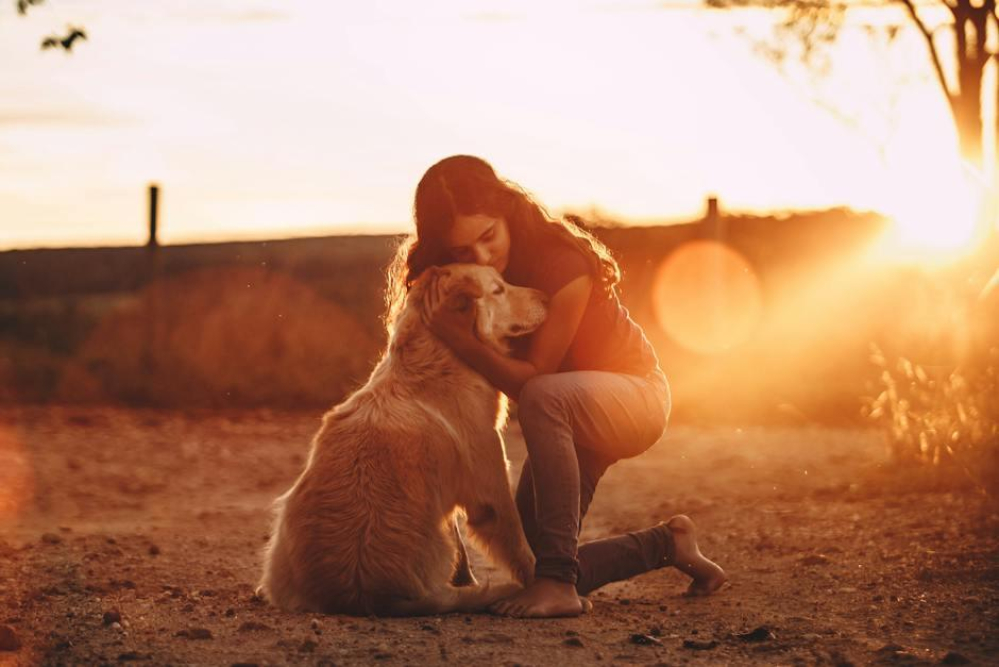
Many dog owners have observed what appears to be a smile on their pet’s face, particularly when they are happy, excited, or playful. But the question remains: do dogs really smile? This article aims to delve into the complex world of canine behavior and communication to determine whether the expressions we interpret as smiles are indeed a form of facial communication, or simply a human projection onto our beloved companions. Through examining scientific research and expert opinions, we aim to shed light on the truth behind the enigmatic phenomenon of “dog smiles”.
Table of Contents
- The Science Behind Canine Facial Expressions
- Understanding the Difference Between a Dog’s “Smile” and a Grimace
- Factors That Influence Canine Facial Expressions
- Interpreting a Dog’s Facial Cues: Tips for Pet Owners
- Q&A
- In Summary
The Science Behind Canine Facial Expressions
Canine facial expressions are a fascinating aspect of canine behavior. While dogs are known for their tail wagging and enthusiastic greetings, many pet owners wonder if their dogs are capable of expressing happiness through a smile. The truth is, dogs do exhibit facial expressions that are similar to human smiles, but there is a scientific explanation behind their behavior.
Several studies have shown that dogs have the ability to mimic human facial expressions, suggesting that they may be capable of smiling. When a dog pulls up the corners of its mouth and shows its teeth, it may not necessarily indicate happiness, but rather a sign of submission or a response to human behavior. Dog experts suggest that understanding the subtleties of canine body language, including facial expressions, is crucial in interpreting a dog’s emotional state. That being said, it’s important to pay attention to other body language cues before making assumptions about a dog’s emotions based solely on facial expressions.
Understanding the Difference Between a Dog’s “Smile” and a Grimace
It is a common belief that dogs “smile” to express happiness and contentment. However, it is important to understand that there is a difference between a dog’s “smile” and a grimace. This understanding is crucial in interpreting your dog’s body language and emotions accurately.
Key differences between a dog’s “smile” and a grimace:
- A dog’s “smile” is often accompanied by a relaxed body posture, wagging tail, and soft, open mouth. This expression typically denotes joy and relaxation.
- On the other hand, a grimace involves a tense facial expression, with lips pulled back to reveal teeth. This expression usually indicates discomfort, fear, or aggression.
By recognizing these distinctions, pet owners can better understand their dog’s emotions and address their needs accordingly. It is essential to pay close attention to the context and accompanying body language to accurately interpret a dog’s facial expressions.
Factors That Influence Canine Facial Expressions
Canine facial expressions have long fascinated dog owners and researchers alike. Many dog owners claim that their pets can “smile” in response to positive stimuli such as playtime or treats. But do dogs really smile, and what factors influence their facial expressions?
1. Breed and genetic predisposition: Certain dog breeds, such as the Siberian Husky, are known for their expressive facial features. The genetics of a breed can influence the shape and structure of a dog’s face, which in turn may affect the way they appear to “smile.”
2. Environmental cues and socialization: Dogs are highly social animals, and their facial expressions can be influenced by their interactions with humans and other animals. Positive socialization experiences, such as training and play, can lead to more frequent “smiling” expressions.
3. Emotional state and mood: Like humans, dogs’ facial expressions can reflect their emotional state. A dog may appear to “smile” when they are happy, relaxed, or content. Conversely, stress or discomfort may result in a more tense or neutral expression.
In conclusion, while the debate over whether dogs can truly “smile” continues, it is clear that a combination of genetic, environmental, and emotional factors can influence canine facial expressions. Understanding these influences can help dog owners better interpret and respond to their pets’ nonverbal cues.
Interpreting a Dog’s Facial Cues: Tips for Pet Owners
When it comes to interpreting a dog’s facial cues, it’s common for pet owners to wonder if their furry friends are capable of smiling. While dogs certainly do display facial expressions that can mimic a human smile, it’s essential to understand that their gestures may not always signify the same emotions as a human smile. Here are some tips for pet owners to recognize and interpret a dog’s facial cues:
1. Eye Contact: Dogs often make eye contact with their owners as a sign of affection or communication. A relaxed, open-eyed expression can indicate contentment, while a hard stare or wide-eyed look may signal fear or anxiety.
2. Mouth and Lips: A dog’s mouth and lips can also convey various emotions. A relaxed open mouth with a slightly upturned corner may resemble a human smile and is often a sign of happiness. However, showing teeth or curled lips may be a sign of aggression or fear.
3. Overall Body Language: It’s important to consider a dog’s overall body language when interpreting their facial cues. A wagging tail, relaxed body posture, and vocalizations can provide additional context to understand their emotions.
| Facial Cue | Interpretation |
| Relaxed, open-mouthed smile | Contentment |
| Tight-lipped or curled lips | Stress or anxiety |
| Wide eyes | Fear or discomfort |
Q&A
Q: Do dogs actually smile?
A: According to animal behavior experts, dogs do not smile in the same way that humans do. Their expressions are primarily based on their natural instincts and emotions, rather than deliberate facial movements.
Q: What are some signs that may appear as a dog “smiling”?
A: Some behaviors that may appear as a dog “smiling” include panting, relaxed body posture, and a wagging tail. This is often seen as a sign that the dog is content, happy, or relaxed.
Q: Are there any scientific studies that confirm dogs can smile?
A: While there is no direct scientific evidence that confirms dogs can smile in the human sense, researchers have studied facial expressions in canines and have found that dogs do have the ability to communicate various emotions through their facial expressions and body language.
Q: How can dog owners interpret their pet’s facial expressions and body language?
A: It is important for dog owners to pay attention to their pet’s overall body language and context in which they are expressing certain behaviors. For example, a dog’s “smile” may actually be a sign of stress or anxiety, rather than happiness.
Q: Can dogs learn to smile or imitate human facial expressions?
A: Dogs can be trained to mimic certain facial expressions through positive reinforcement and conditioning. However, this does not necessarily mean that they are experiencing the same emotions as humans when displaying these behaviors.
Q: Are there different types of “dog smiles”?
A: Some experts have categorized dog “smiles” into different types, such as submissive grins, playful grins, and anxious lip licking. Each type of “smile” may indicate a different emotional state in the dog.
In Summary
In conclusion, the question of whether or not dogs truly smile is a complex one. While some experts believe that dogs can exhibit a form of smiles through their facial expressions and body language, others argue that these cues are simply a result of instinctual behavior and not indicative of genuine happiness.
Regardless of the ongoing debate, it is important for dog owners to remember that understanding their pet’s body language and behavior is critical for building a strong and positive relationship. By learning to interpret their dog’s cues, owners can better understand their pet’s needs and emotions, leading to a more mutually beneficial and enriching bond.
In the end, whether or not dogs actually smile may be less important than the fact that they bring joy and companionship to the lives of so many. So perhaps it is enough to simply appreciate the happiness and love that dogs bring to our lives, whether it’s expressed through a traditional smile or not.

