



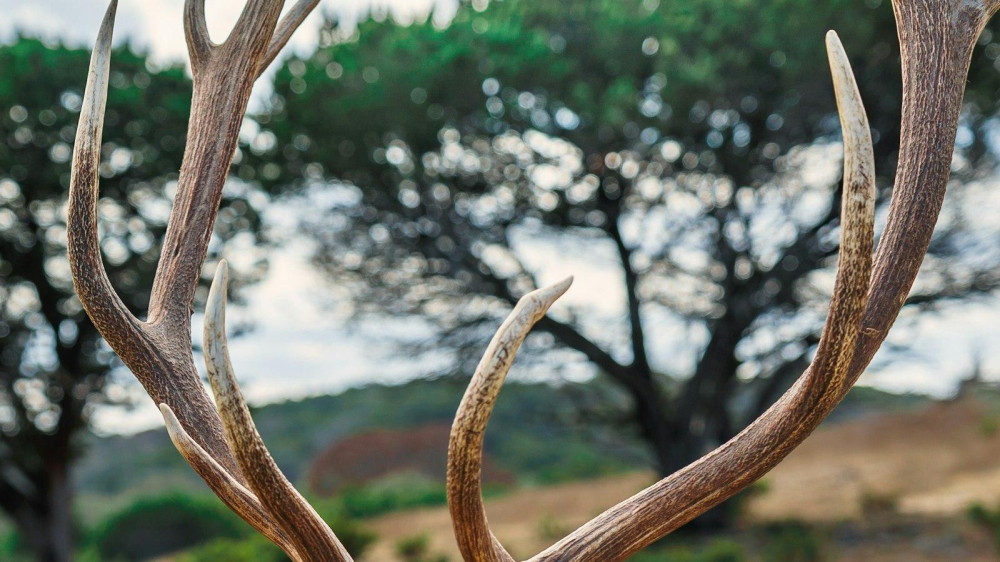
In the rhythmic embrace of changing seasons, wherein the vibrant hues of autumn dance amidst the falling leaves, lies a breathtaking haven known as the temperate deciduous forest. Within this enchanting realm, an intricate web of life intertwines, with animals gracefully adapting to the ebb and flow of the changing environment. Steeped in scientific rigor, this article casts a meticulous gaze upon the fascinating world of temperate deciduous forest animals, unraveling the secrets of their survival strategies, remarkable behavioral patterns, and awe-inspiring adaptations. Prepare to immerse yourself in the scientific tapestry that unravels before you, shedding light on the extraordinary creatures that call this forest home.
Table of Contents
- Temperate Deciduous Forest Animals: Biodiversity and Ecological Role
- The Impact of Deforestation on Temperate Deciduous Forest Animals
- Adapting to Seasonal Changes: Survival Strategies of Temperate Deciduous Forest Fauna
- Conservation Actions to Protect Temperate Deciduous Forest Animal Habitats
- Q&A
- Key Takeaways
Temperate Deciduous Forest Animals: Biodiversity and Ecological Role
The temperate deciduous forest, often referred to as a green paradise, is home to a vast array of fascinating wildlife. Its unique combination of plentiful rainfall, moderate temperature, and seasonal variations has allowed for the development of an incredibly diverse ecosystem. From towering trees to tiny insects, these animals play a pivotal role in the delicate balance of the forest.
One of the most iconic animals found in temperate deciduous forests is the white-tailed deer (Odocoileus virginianus). These majestic creatures are well-adapted to survive in the forest’s changing conditions. They possess keen senses, allowing them to detect danger quickly. White-tailed deer are also known for their agility and ability to navigate through dense vegetation. As herbivores, they contribute significantly to the forest’s ecological role by controlling the growth of plants and spreading seeds through their feces.
Another fascinating resident of this forest is the red fox (Vulpes vulpes). These cunning predators play a vital role in maintaining the balance of prey populations. Red foxes have incredible hunting skills and can adapt their diet to seasonal changes. They help control the population of small mammals such as mice and rabbits, thereby preventing overgrazing and contributing to the overall health of the ecosystem.
Biodiversity of Temperate Deciduous Forest Animals:
The biodiversity in temperate deciduous forests is astounding, and it goes beyond just the charismatic mammals. These forests are also home to a variety of avian species such as the eastern bluebird (Sialia sialis) and wood thrush (Hylocichla mustelina). These birds not only provide a melodious soundtrack to the forest but also serve as important seed dispersers and help with pollination.
The forest floor is teeming with life as well. Various amphibians like salamanders and frogs, such as the eastern red-backed salamander (Plethodon cinereus) and the American toad (Anaxyrus americanus), call these forests their home. These small creatures play a crucial role in controlling insect populations and provide a food source for larger animals.
In conclusion, the temperate deciduous forest is a thriving ecosystem filled with a diverse range of animals, each playing a unique ecological role. From herbivores like white-tailed deer to top predators like red foxes, these animals contribute to the balance and sustainability of the forest. The biodiversity and interconnectedness of these animals make the temperate deciduous forest a true wonder of nature.
The Impact of Deforestation on Temperate Deciduous Forest Animals
The beautiful and diverse temperate deciduous forests are home to countless animal species. However, the rampant deforestation happening worldwide is taking a significant toll on these animals and their delicate ecosystems. From large mammals to tiny insects, the effects of deforestation on temperate deciduous forest animals are widespread and devastating.
Firstly, deforestation destroys the natural habitats of many forest-dwelling animals. These lush forests provide shelter, food, and breeding grounds for a wide variety of species. When trees are cut down, animals lose their homes and are forced to migrate to new areas, often disrupting their natural behavior patterns and causing conflicts with other animal populations. Additionally, the loss of vegetation directly impacts the availability of food sources for many animals, leading to malnutrition and even death.
The consequences of deforestation are particularly severe for certain animal species. For example, the removal of trees can disrupt the nesting sites of birds and endanger their survival. Many migratory birds rely on temperate deciduous forests as stopover sites during their long journeys, but deforestation eliminates these crucial resting places. Likewise, the loss of trees means a decline in the population of insects, which are essential for the diet of numerous bird species. This disruption cascades through the food chain, eventually affecting larger predators that rely on these birds as their prey.
Effects of deforestation on temperate deciduous forest animals:
- Habitat loss: Deforestation destroys the natural homes of animals, forcing them to migrate and disrupting their behavior patterns.
- Food scarcity: The loss of trees and vegetation reduces food sources for many animals, leading to malnutrition and potential population decline.
- Disruption of nesting sites: Birds that rely on trees for nesting are particularly affected, putting their survival and migration patterns at risk.
- Loss of insects: Deforestation leads to a decline in insect populations, which are crucial for the diet of many bird species, impacting the entire food chain.
It is crucial to raise awareness about and take action to protect these invaluable ecosystems. Conservation efforts and sustainable practices must be implemented to ensure the survival and well-being of the diverse animal species that call these forests their home.
Adapting to Seasonal Changes: Survival Strategies of Temperate Deciduous Forest Fauna
Temperate deciduous forests are known for the stunning changes they undergo each season. As the temperatures drop and sunlight decreases, the flora and fauna of these forests have evolved remarkable strategies to survive the harsh conditions. In this article, we will explore the survival tactics employed by temperate deciduous forest fauna and how they adapt to seasonal change.
Migration: Many temperate deciduous forest animals have mastered the art of long-distance migration. These migrations allow them to escape the cold winters and find more abundant food sources in different regions. For instance, the Monarch butterfly embarks on an incredible journey, traveling thousands of miles from North America to Mexico to hibernate in the warmer climates. Similarly, some bird species, such as the Eastern Bluebirds, migrate to the southern regions to find milder winters and abundant food.
Hibernation: Another remarkable adaptation strategy is hibernation, which allows animals to conserve energy during the winter months when food is scarce. Animals like bears and groundhogs enter a state of deep sleep, lowering their metabolic rate and minimizing their need for food. They find shelter in dens or burrows and stay dormant until the arrival of spring signals the return of favorable conditions. This phenomenon allows these creatures to survive long periods without consuming food and to emerge from their slumber rejuvenated.
| Examples of temperate deciduous forest fauna survival strategies |
|---|
| Migration |
| Hibernation |
| Camouflage |
| Delayed implantation |
Camouflage: Many animals in temperate deciduous forests rely on camouflage to hide from predators or to blend in with their surroundings. They change their fur or feather coloration to match the changing hues of the forest, providing them with effective protective cover. White-tailed deer, for example, adapt by shedding their reddish-brown summer coat and growing a thicker, gray one to blend in during the winter months.
Delayed Implantation: Some animals in temperate deciduous forests employ a unique strategy called delayed implantation. This biological process allows them to prolong the time it takes for their fertilized egg to attach to the uterus, thereby giving birth at a more favorable time. Black bears are a prime example of animals that utilize delayed implantation. They mate in the summer or early fall, but the fertilized egg does not implant until the following winter, ensuring the cubs are born in the cozy den when the conditions are suitable for their survival.
Conservation Actions to Protect Temperate Deciduous Forest Animal Habitats
Preserving the delicate balance of temperate deciduous forest animal habitats is crucial for the survival of numerous species. These forests, characterized by their seasonal changes and diverse vegetation, provide food, shelter, and breeding grounds for a variety of animals. However, the rapid expansion of human activities poses a threat to these vital ecosystems. To mitigate the negative impacts and ensure the long-term survival of these animal populations, several conservation actions can be implemented.
Protecting Key Habitat Areas
One of the most effective strategies for conserving temperate deciduous forest animal habitats is the establishment of protected areas. These designated zones restrict human activities such as logging, mining, and development, reducing habitat destruction and fragmentation. By safeguarding these areas, we provide a safe haven for numerous animal species, allowing them to thrive and maintain healthy populations. Additionally, protected areas enable long-term research and monitoring, facilitating a better understanding of these ecosystems and informing future conservation efforts.
Restoring and Enhancing Habitat Connectivity
The fragmentation of temperate deciduous forests due to human activities has disrupted wildlife movement and gene flow, leading to decreased genetic diversity and population isolation. To address these issues, habitat connectivity must be restored and enhanced. This can be achieved by creating wildlife corridors and greenways that connect fragmented habitats, allowing animals to migrate, disperse, and access essential resources. Planting native vegetation along these corridors can further enhance their effectiveness, as it provides additional food sources and shelter for wildlife. By promoting habitat connectivity, we can protect the genetic diversity of temperate deciduous forest animal populations and increase their resilience to environmental changes.
| Conservation Actions | Benefits |
|---|---|
| Promoting sustainable forestry practices | Preserves forest structure and ensures a continuous supply of resources for animals. |
| Implementing wildlife-friendly land management | Creates suitable habitats and reduces disturbance to animal populations. |
| Managing invasive species | Prevents the displacement of native species and maintains ecological balance. |
| Collaborating with local communities | Raises awareness, promotes responsible behavior, and fosters support for conservation efforts. |
Conservation actions aimed at protecting temperate deciduous forest animal habitats require a comprehensive approach. By combining the preservation of key habitat areas, the restoration of habitat connectivity, and other proactive measures, we can ensure the survival of these ecosystems and the diverse range of animal species that call them home.
Q&A
Q&A: Discovering the Fascinating World of Temperate Deciduous Forest Animals
Q: What is a temperate deciduous forest?
A: A temperate deciduous forest is a type of biome characterized by moderate temperatures and distinct seasons, including a warm summer and a cold winter. These forests are mainly dominated by trees that lose their leaves annually.
Q: What makes the temperate deciduous forest a unique habitat for animals?
A: The temperate deciduous forest boasts a rich diversity of animal species that have adapted to its distinct climate and various food sources. This biome provides shelter, food, and ample opportunities for survival for a wide array of animals.
Q: Which animals are commonly found in temperate deciduous forests?
A: The temperate deciduous forest hosts an impressive assortment of fauna. Some iconic examples include white-tailed deer, grey squirrels, black bears, red foxes, raccoons, bobcats, and a stunning variety of bird species like woodpeckers, owls, and songbirds.
Q: How have animals in the temperate deciduous forest adapted to survive the changing seasons?
A: Many animals in this ecosystem adapt to the cyclical pattern of changing seasons in various ways. Some species, such as deer and birds, migrate to warmer climates during winter. Others, like squirrels and bears, have physiological adaptations or behaviors to endure cold temperatures by hibernating or storing food.
Q: What are the primary food sources for animals in the temperate deciduous forest?
A: The abundance of plant life in temperate deciduous forests provides a rich food supply for the resident animals. Different animals rely on a variety of sources, including acorns, nuts, fruits, insects, mushrooms, and the leaves of deciduous trees.
Q: Do predators play a significant role in the temperate deciduous forest ecosystem?
A: Absolutely! Predators such as bobcats, foxes, and bears have fundamental roles in maintaining ecosystem balance. By controlling populations of herbivores, they prevent overgrazing, which helps preserve suitable habitats for a diverse array of species.
Q: Are there any endangered species specific to the temperate deciduous forest?
A: Sadly, yes. The temperate deciduous forest is home to several endangered species, including the red wolf, Indiana bat, and the Eastern massasauga rattlesnake. The preservation and conservation of these species’ habitats are crucial for maintaining the overall biodiversity in the temperate deciduous forest.
Q: Can you provide an example of a unique adaptation found among temperate deciduous forest animals?
A: Certainly! The North American porcupine is a prime example of an animal specially adapted to thrive in temperate deciduous forests. Their quills serve as a defense mechanism, deterring potential predators. These herbivores also have a remarkable ability to climb trees using their sharp claws, granting them both safety and a variety of food sources.
Q: How can individuals contribute to the conservation of temperate deciduous forest animals?
A: You can make a positive impact by supporting organizations that focus on habitat preservation, raising awareness about ecosystem fragility, practicing responsible tourism, and engaging in sustainable practices that limit deforestation and protect the wildlife that depends on these forests for survival.
Q: What future challenges do temperate deciduous forest animals face?
A: Climate change poses significant challenges to these ecosystems and their inhabitants. Rising temperatures, altered precipitation patterns, and disrupted seasonal cycles can have profound impacts on animal species. Encouraging sustainable practices and addressing global climate issues are crucial in securing a future for temperate deciduous forest animals.
Key Takeaways
In conclusion, the temperate deciduous forests are home to a remarkable array of animal species, each uniquely adapted to thrive in the changing seasons and rich biodiversity of this captivating ecosystem. From the ground-dwelling mammals to the elusive avian creatures, these animals have evolved ingenious strategies to ensure their survival in the face of unpredictable weather and resource availability.
As we explored, the forest floor abounds with an exquisite diversity of mammals, including the industrious beavers and their exceptional dam-building skills, the elusive bobcats camouflaged to perfection amidst fallen leaves, and the enchanting white-tailed deer gracefully adapting to the dynamic cycles of vegetation.
Scaling the trees, we encounter an avian symphony that fills the air, where masterful nest architecture, mesmerizing migratory patterns, and melodious songs define the lives of woodland artists such as the red-eyed vireo, the ruby-throated hummingbird, and the well-camouflaged eastern screech owl.
Even the canopy and the understory beneath it offer glimpses of marvelous biodiversity, harboring charismatic creatures like the red fox stealthily patrolling through the foliage, the nimble eastern gray squirrel hoarding acorns, and the charismatic woodpeckers rhythmically tapping their beaks against tree trunks, echoing throughout the forest depths.
Understanding the intricate relationships and behaviors of temperate deciduous forest animals is not only fascinating but also crucial for conservation efforts. As threats such as deforestation and climate change loom large, it becomes imperative to safeguard the delicate balance of these ecosystems and protect the remarkable creatures that call them home.
By deepening our knowledge of these enigmatic beings, their predator-prey interactions, and intricate ecological webs, we can contribute to the preservation and restoration of these invaluable habitats, ensuring the longevity of temperate deciduous forest animals for generations to come.
In this journey through the realm of temperate deciduous forest animals, we have scratched the surface of an incredibly complex and captivating world. Let us continue to explore, unravel, and cherish the wonders concealed within these forests, as our collective appreciation and conservation efforts hold the key to safeguarding the rich tapestry of life thriving amidst the changing seasons.

