



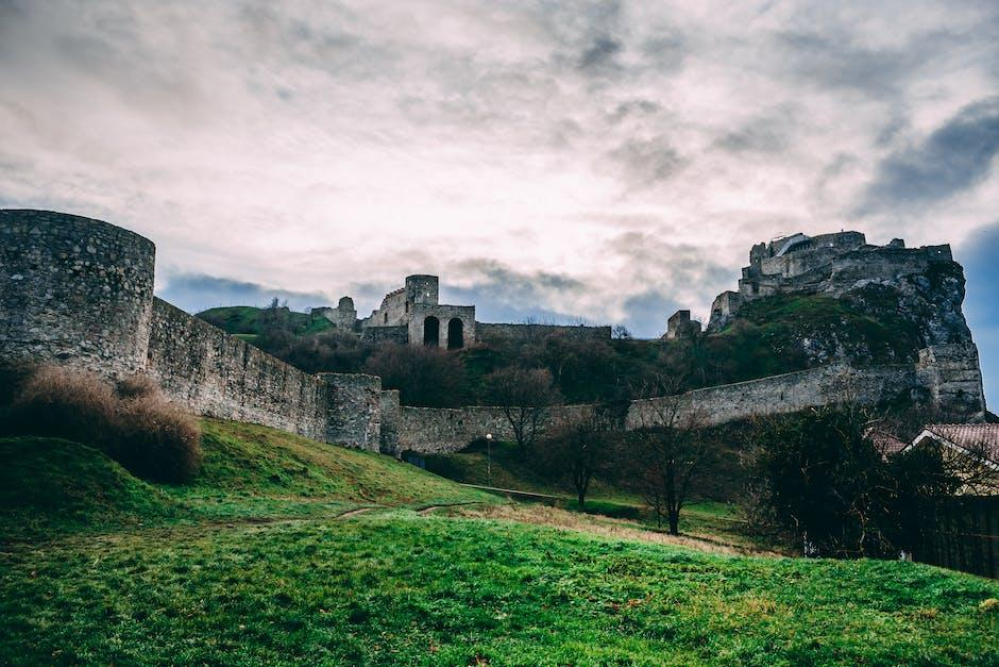
In medieval times, when the grandeur of castles and their architectural marvels were at their peak, even the most basic of necessities had to be thoughtfully constructed. One such necessity that often piques the curiosity of historians and visitors alike is the medieval castle toilet. While it may seem trivial in comparison to the grandeur of the rest of the castle, the design and functionality of these facilities offer a fascinating glimpse into the daily life of the castle residents. Let’s take a closer look at the medieval castle toilet and its significance in the context of medieval hygiene and sanitation.
Table of Contents
- History of Medieval Castle Toilets
- Construction and Design of Medieval Castle Toilets
- Sanitation and Hygiene in Medieval Castle Toilets
- Preserving and Restoring Medieval Castle Toilets
- Q&A
- Key Takeaways
History of Medieval Castle Toilets
Medieval castle toilets, also known as garderobes, were an essential part of life within the castle walls. These rudimentary bathrooms were typically located in the inner walls of the castle, and they were often nothing more than a hole in the wall, leading to a shaft that extended outside the castle. While they may not have been the most pleasant facilities, they were a significant improvement over previous methods of waste disposal.
Early medieval castle toilets were designed simply to dispose of waste, but as time went on, they became more sophisticated. By the late medieval period, castle toilets were often equipped with wooden seats, and some were even fitted over flowing streams to facilitate waste disposal. These advancements made the experience of using a castle toilet slightly more comfortable, and they helped to improve sanitation within the castle walls.
Construction and Design of Medieval Castle Toilets
Medieval castle toilets, also known as “garderobes,” were an essential part of the design and construction of these iconic structures. Unlike modern flushing toilets, medieval castle toilets were simple yet effective in managing waste. The construction and design of these toilets were carefully planned to ensure proper sanitation and waste disposal within the castle walls.
The construction of medieval castle toilets typically involved the following elements:
– Placement: Toilets were strategically located within the castle to allow waste to drop directly into a pit or moat below.
– Seat Design: The toilet seat was often made of stone or wood, with a hole in the center for waste disposal.
– Chute or Shaft: A vertical chute or shaft connected the toilet seat to the pit or moat below, allowing waste to drop freely.
The design of medieval castle toilets prioritized functionality over comfort, reflecting the practical needs of the time. Despite their rudimentary nature, these toilets played a crucial role in maintaining sanitation within the castle walls. Understanding the provides valuable insight into the daily life and hygiene practices of the medieval period.
Sanitation and Hygiene in Medieval Castle Toilets
When it comes to exploring the fascinating world of medieval castles, sanitation and hygiene might not be the first thing that comes to mind. However, understanding the toilet facilities in medieval castles can offer valuable insights into the daily lives of those who lived within their walls. One such area of interest is the sanitation and hygiene practices in medieval castle toilets.
were quite different from what we are accustomed to today. While there were some efforts to maintain cleanliness, the overall conditions were often less than ideal. Some key aspects of include:
- Waste disposal: Human waste was simply disposed of through shafts or chutes that led directly outside the castle walls.
- Odor control: To combat the inevitable odors, various substances such as herbs, flowers, or vinegar were sometimes used to mask the smell.
- Hygiene practices: While bathing facilities were separate from the toilets, limited access and resources meant that personal hygiene was not a top priority.
| Aspect | Sanitation and Hygiene Practices |
|---|---|
| Waste disposal | Human waste disposed of through shafts or chutes that led outside the castle walls |
| Odor control | Various substances used to mask the inevitable odors |
| Hygiene practices | Limited access and resources for personal hygiene |
Preserving and Restoring Medieval Castle Toilets
When it comes to preserving and restoring medieval castles, one aspect that is often overlooked is the toilets. These historical structures usually had very advanced sewage systems for their time, and preserving and restoring these medieval castle toilets is not only essential for maintaining the historical integrity of the site but also for understanding the hygiene practices of the past.
Restoring these toilets is a delicate process that requires careful research and expertise. It involves understanding the original design and construction of the toilets, as well as the materials used. Preserving medieval castle toilets also involves implementing modern preservation techniques to ensure that the structure remains intact for future generations to appreciate and study.
Some key considerations for include:
- Researching the historical context of the toilets
- Understanding the original materials and construction techniques
- Implementing modern preservation methods
- Working with experts in historical preservation and restoration
Q&A
Q: What were medieval castle toilets like?
A: Medieval castle toilets, also known as garderobes, were typically simple, stone-built structures situated within the castle walls.
Q: How did medieval castle toilets work?
A: The toilets were often built over a chute or pit that dropped waste outside the castle walls or into a moat. Some medieval toilets had a system of running water to help flush waste away.
Q: Were medieval castle toilets private?
A: Some castle toilets were private and enclosed within small chambers, while others were more open and shared among inhabitants of the castle.
Q: Did medieval castle toilets have any sanitation processes?
A: Medieval castle toilets lacked the sanitation processes we have today. Waste was disposed of outside the castle walls or into a moat, posing health and environmental hazards.
Q: Were medieval castle toilets comfortable to use?
A: Medieval castle toilets were typically not very comfortable. They were often cold, drafty, and lacked modern amenities like toilet paper.
Q: What were the hygiene practices associated with medieval castle toilets?
A: Hygiene practices associated with medieval castle toilets were rudimentary. Some castles had a designated person, often a servant, responsible for cleaning and maintaining the toilets.
Q: Why were medieval castle toilets built within the castle walls?
A: Medieval castle toilets were built within castle walls for security and convenience, allowing inhabitants to use the facilities without having to leave the safety of the fortress.
Key Takeaways
In conclusion, the medieval castle toilet was a significant and revolutionary development in maintaining hygiene and sanitation within these ancient structures. Its design and function greatly improved the quality of life for castle inhabitants, despite being a far cry from modern-day toilets. The ingenuity and sophistication of these medieval facilities serve as a testament to the resourcefulness of the people of the time. The evolution of castle toilets also reflects the evolving understanding of the importance of sanitation in maintaining public health. While they may seem primitive by today’s standards, medieval castle toilets were an important stepping stone in the history of sanitation technology.
Auto Amazon Links: No products found.

