



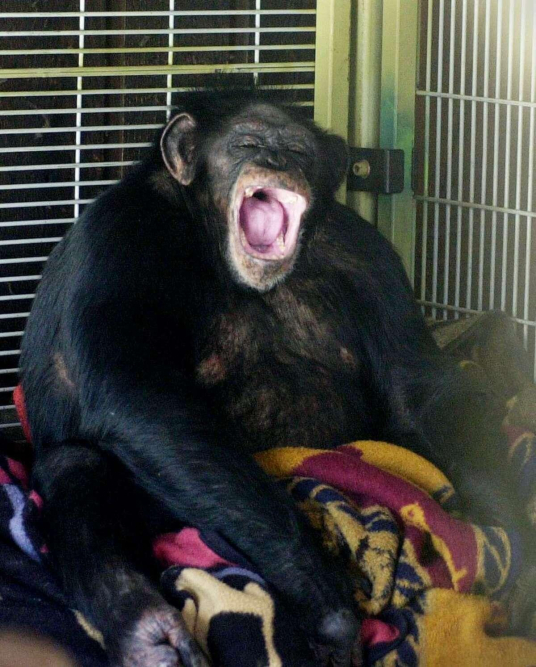
Hey there! You may have heard of the infamous Travis Chimp Incident that took place in 2009, but do you really know the full story? From the news headlines to the court trials, there’s a lot to unpack about this tragic event. In this article, we’ll dive into the details of what happened and explore the impact it had on the community. So grab a seat and get ready to learn more about the Travis Chimp Incident.
Table of Contents
- Understanding the Travis Chimp Incident: A Tragic Case Study in Private Ownership of Wild Animals
- The Psychological Impact of Traumatic Events: How Travis Chimp Incident Affected the Community
- Addressing the Issue: Regulations and Advocacy for Wild Animal Ownership
- Moving Forward: Counseling and Support for Those Affected by the Travis Chimp Incident
- Q&A
- Wrapping Up
Understanding the Travis Chimp Incident: A Tragic Case Study in Private Ownership of Wild Animals
The Travis chimp incident is a tragic reminder of the dangers of private ownership of wild animals. This case study sheds light on the complex and often overlooked issue of keeping exotic pets in residential areas. The incident sparked widespread debate and raised important questions about the laws and regulations surrounding the ownership of wild animals.
The incident involving Travis the chimp occurred in 2009 when he attacked a woman in Connecticut, causing severe injuries. This tragic event highlighted the inherent risks and ethical concerns associated with keeping wild animals as pets. Understanding the circumstances and outcomes of the Travis chimp incident is crucial for initiating conversations and advocating for stricter regulations and enforcement of laws related to private ownership of exotic animals.
The incident also serves as a cautionary tale, emphasizing the need for greater awareness and education about the dangers and ethical implications of keeping wild animals in domestic settings. It is essential for individuals, communities, and governing bodies to recognize the potential risks and take proactive measures to prevent similar incidents from happening in the future. **The incident underscores the importance of addressing the following key points:**
– The inherent dangers of keeping wild animals as pets
– The need for stricter regulations and enforcement of laws
– The ethical implications of private ownership of exotic animals
The Psychological Impact of Traumatic Events: How Travis Chimp Incident Affected the Community
The Travis chimp incident, which took place in 2009, had a profound psychological impact on the community. The incident involved a 200-pound domesticated chimpanzee attacking a woman in Stamford, Connecticut, causing severe injuries. The traumatic event not only affected the victim and her family but also had a ripple effect on the community as a whole.
The psychological impact of the Travis chimp incident on the community can be seen in various ways, including:
– Increased fear and anxiety: The shocking nature of the attack left many community members feeling fearful and anxious about their safety, as well as the safety of their loved ones.
– Trauma and PTSD: Witnessing or hearing about the traumatic event may have caused some individuals to develop symptoms of post-traumatic stress disorder (PTSD) or other trauma-related mental health issues.
– Heightened awareness of animal welfare: The incident prompted discussions and actions related to animal welfare and the importance of responsible ownership of exotic pets.
Overall, the Travis chimp incident serves as a reminder of the far-reaching psychological effects of traumatic events on a community. It highlights the need for support and resources to address the mental health impact of such events. If left unaddressed, the psychological aftermath of traumatic events can have long-lasting effects on individuals and communities.
Addressing the Issue: Regulations and Advocacy for Wild Animal Ownership
The travis chimp incident in 2009 brought to light the pressing issue of wild animal ownership and the lack of regulations surrounding it. This tragic event, in which a pet chimpanzee attacked and severely injured a woman in Connecticut, sparked a nationwide conversation about the need for stricter laws and advocacy for the protection of both wild animals and the public.
Advocates for wild animal ownership argue that responsible individuals should have the right to own exotic pets, as long as they can provide proper care and living conditions. On the other hand, opponents believe that wild animals belong in their natural habitats and that it is dangerous and unethical to keep them as pets. The following are some key points to consider when addressing the issue of regulations and advocacy for wild animal ownership:
**Regulations:**
– The current state of regulations for owning wild animals varies widely from state to state, leading to inconsistencies and loopholes.
– There is a lack of uniform federal laws governing the ownership of wild animals, making it challenging to enforce proper standards of care and safety.
– Advocacy efforts are focused on pushing for stricter regulations at both the state and federal levels to ensure the well-being of wild animals and the safety of the public.
**Advocacy:**
- Animal rights organizations are actively campaigning for legislation that would ban the private ownership of wild animals or at least implement stringent requirements for obtaining permits.
– Advocates emphasize the importance of supporting sanctuaries and rescue organizations that provide proper care and rehabilitation for wild animals that have been kept as pets.
– Education and awareness initiatives are essential for promoting understanding of the impact of wild animal ownership on conservation efforts and public safety.
In conclusion, the travis chimp incident has brought attention to the critical need for comprehensive regulations and advocacy efforts to address the complex issue of wild animal ownership. It is essential to establish clear and enforceable laws at both the state and federal levels, while also supporting advocacy campaigns and educational initiatives to ensure the protection of both wild animals and the public.
Moving Forward: Counseling and Support for Those Affected by the Travis Chimp Incident
The Travis chimp incident was a tragic event that affected many people in the community. It’s important for those who were impacted to have access to counseling and support services to help them move forward.
At our counseling center, we offer a range of services specifically tailored to those affected by the Travis chimp incident. Our compassionate and experienced counselors provide a safe and supportive environment for individuals to process their emotions and work through the trauma they may have experienced.
Here are some ways in which our counseling center can help:
- Individual therapy sessions to address specific emotions and challenges.
- Group therapy sessions to connect with others who have shared similar experiences.
- Support groups for ongoing help and community.
It’s important to remember that seeking help is a sign of strength, and our team is here to support those affected by the Travis chimp incident as they work towards healing and moving forward.
Q&A
Q: What is the ”Travis chimp incident”?
A: The Travis chimp incident refers to the tragic attack in 2009, when Travis, a 14-year-old chimpanzee, mauled and severely injured a woman in Stamford, Connecticut.
Q: What led to the incident?
A: Travis had been living with his owner, Sandra Herold, as a pet for many years. On the day of the incident, Travis became agitated and attacked Herold’s friend, Charla Nash, causing life-changing injuries.
Q: Why was Travis living with a private owner?
A: Travis had been raised by Herold since he was a baby and was considered part of her family. However, owning a chimpanzee as a pet is controversial and raises serious safety concerns.
Q: What were the consequences of the incident?
A: Unfortunately, Charla Nash suffered devastating injuries, including the loss of her eyes, nose, and hands. Travis was shot and killed by police in an effort to stop the attack.
Q: What impact did the incident have on laws and regulations regarding exotic pets?
A: The Travis chimp incident shed light on the dangers of keeping exotic animals as pets and sparked discussions about stricter regulations and bans on such practices.
Q: What lessons can be learned from the Travis chimp incident?
A: The incident serves as a grim reminder of the inherent risks of keeping wild animals as pets and the importance of respecting their natural behaviors and habitats. It also highlights the need for responsible ownership and stricter regulations to prevent similar tragedies in the future.
Wrapping Up
In conclusion, the tragic incident involving Travis the chimpanzee serves as a sobering reminder of the importance of responsible ownership and proper care of exotic animals. It also highlights the potential dangers of keeping wild animals as pets. We hope that through education and awareness, incidents like this can be prevented in the future. Our thoughts and sympathies go out to all those affected by this ordeal. Thank you for reading and remember to always prioritize the safety and well-being of both humans and animals. Stay informed and stay safe. Goodbye!

