



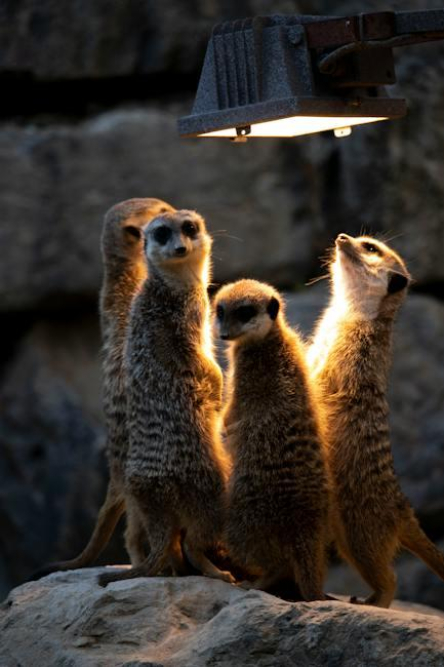
Aloha, and welcome to the fascinating world of Hawaii’s mongoose population. These small, agile creatures have become a common sight on the islands, but their presence has sparked both curiosity and concern. In this article, we’ll explore the history, impact, and current status of mongoose in Hawaii, shedding light on how these animals have adapted to their new home and the challenges they present to the delicate ecosystem. Whether you’re a nature enthusiast, a curious tourist, or a concerned local, there’s much to learn and discuss about the mongoose in Hawaii. Let’s dive in and uncover the truth about these intriguing creatures.
Table of Contents
- Hawaii’s Invasive Species: The Mongoose Problem
- The Impact of Mongoose on Hawaii’s Ecosystem
- How to Spot a Mongoose in Hawaii
- Preventing the Spread of Mongoose in Hawaii’s Wilderness
- Q&A
- In Retrospect
Hawaii’s Invasive Species: The Mongoose Problem
Hawaii is facing a growing problem with invasive species, particularly the mongoose. Originally introduced to the islands in the late 1800s to control the rat population in sugar cane fields, the mongoose has since become a significant threat to native wildlife and ecosystems. Here are some key points to consider:
- The presence of mongooses in Hawaii has been linked to the decline of native bird populations, as they are known to prey on eggs and hatchlings.
- These small, agile mammals are also known to feed on a variety of other native species, including insects, lizards, and small mammals, further disrupting the delicate balance of Hawaii’s ecosystems.
- Efforts to control the mongoose population in Hawaii have proven to be challenging, as they are elusive and reproduce rapidly, making it difficult to effectively manage their numbers.
While the mongoose was initially introduced with good intentions, its impact on Hawaii’s native wildlife and ecosystems cannot be ignored. With ongoing efforts to address the mongoose problem, including research, public awareness, and strategic management plans, there is hope for mitigating the damage caused by this invasive species and preserving the unique biodiversity of Hawaii.
The Impact of Mongoose on Hawaii’s Ecosystem
Hawaii’s delicate ecosystem has been significantly impacted by the introduction of the mongoose. Originally brought to the islands in the 19th century to control the rat population in sugarcane fields, the mongoose has since become a significant threat to native bird species and other wildlife. The impact of this invasive species on Hawaii’s unique flora and fauna cannot be overstated.
Impact on Native Bird Species: The mongoose is a relentless predator and is known to raid bird nests, feeding on eggs and hatchlings. This has had devastating effects on Hawaii’s already dwindling population of native bird species, many of which are found nowhere else in the world.
Disruption of Ecosystem Balance: The presence of the mongoose has also resulted in the disruption of the natural balance within Hawaii’s ecosystem. As a result, native species that were once critical to the health of the environment are now at risk of extinction, causing a ripple effect throughout the entire ecosystem.
How to Spot a Mongoose in Hawaii
Spotting a mongoose in Hawaii can be an exciting experience, as these small carnivores are known for their agility and quick movements. Before you head out on your mongoose spotting adventure, it’s important to familiarize yourself with their physical characteristics and behaviors in order to increase your chances of catching a glimpse of one in the wild.
Physical Features:
- Mongooses in Hawaii typically have brown or grizzled fur, with a lighter-colored underside
- They have a long, slender body and a tapered, pointed face
- Their small, rounded ears and long, bushy tail are characteristic features
Behaviors:
- Mongooses are diurnal animals, meaning they are most active during the day
- They are often spotted near rocks, logs, or brush, where they hunt for insects, small birds, and eggs
- Keep an eye out for quick, darting movements, as mongooses are fast and agile when on the hunt
Preventing the Spread of Mongoose in Hawaii’s Wilderness
Mongoose in Hawaii have been a major issue for the local ecosystem, particularly in the wilderness areas. These small but voracious predators have a significant impact on the native bird populations, including endangered species. If left unchecked, the spread of mongoose in Hawaii’s wilderness could have catastrophic consequences for the delicate balance of the island’s ecology. Fortunately, there are steps that can be taken to prevent their further spread and mitigate the damage they have already caused.
Here are some effective methods for :
- Implementing stricter quarantine measures for incoming goods to prevent the unintentional introduction of mongoose to new areas
- Developing and implementing targeted trapping and removal programs in areas where mongoose populations are already established
- Increasing public awareness and education about the negative impacts of mongoose on the environment, and encouraging responsible pet ownership to prevent intentional releases
- Supporting native bird conservation efforts to help mitigate the impact of mongoose predation
By taking proactive measures to prevent the spread of mongoose in Hawaii’s wilderness, we can help protect the unique and fragile ecosystem of the islands for future generations to enjoy.
Q&A
Q: What are mongooses and how did they come to Hawaii?
A: Mongooses are small, carnivorous mammals native to South Asia. They were brought to Hawaii in the late 1800s to help control the rat population on sugar cane plantations.
Q: Why are mongooses a problem in Hawaii?
A: While mongooses were originally introduced to control rats, they have become a problem themselves. They are now considered an invasive species and have had a negative impact on native bird and reptile populations.
Q: What efforts are being made to control the mongoose population in Hawaii?
A: There are ongoing efforts to control the mongoose population in Hawaii, including trapping and the implementation of exclusionary fencing in certain areas. There are also educational programs aimed at raising awareness about the negative effects of mongoose on the native ecosystem.
Q: Are there any benefits to having mongooses in Hawaii?
A: Despite their negative impact on the native ecosystem, mongooses do provide some benefits, such as controlling the population of rodents and insects. However, the negative effects outweigh these benefits in the context of Hawaii’s delicate ecosystem.
Q: Can mongoose bites be dangerous to humans?
A: While mongoose are generally shy and non-aggressive towards humans, they have been known to bite when provoked. It’s always best to keep a safe distance and avoid approaching or provoking them.
Q: What can residents and visitors do to help address the mongoose issue in Hawaii?
A: Residents and visitors can help address the mongoose issue in Hawaii by being mindful of their actions, refraining from feeding or interacting with wild mongooses, and supporting local conservation efforts. Being informed and spreading awareness about the issue is also important in the effort to protect Hawaii’s native ecosystem.
In Retrospect
We hope this article has provided you with valuable insight into the presence of mongooses in Hawaii and the impact they have had on the island’s ecosystem. It is important for visitors and residents alike to be aware of the potential harm these non-native species can cause and to take measures to protect the native wildlife. By working together, we can help preserve the natural beauty and balance of Hawaii’s environment for generations to come. Thank you for reading and for your interest in this important issue. Mahalo!

