



Emphysema is a chronic respiratory disease characterized by the irreversible enlargement of air sacs in the lungs, leading to significant impairment in breathing and reduced lung function. In order to accurately diagnose and classify cases of emphysema within the medical community, the International Classification of Diseases, Tenth Revision (ICD-10) provides a comprehensive coding system. This article aims to explore the ICD-10 coding for emphysema, discussing the specific criteria and guidelines for its classification, and the implications for clinical practice and research. Understanding the ICD-10 coding for emphysema is essential for clinicians, researchers, and policymakers in order to accurately assess the burden of the disease, guide treatment decisions, and improve patient outcomes.
Table of Contents
- Risk Factors and Pathophysiology of Emphysema in ICD-10
- Diagnostic Criteria and Coding Guidelines for Emphysema in ICD-10
- Treatment Strategies and Prognosis for Emphysema Coded in ICD-10
- Role of Preventative Measures and Lifestyle Modifications in Emphysema Management
- Q&A
- Future Outlook
Risk Factors and Pathophysiology of Emphysema in ICD-10
Emphysema is a chronic and progressive lung disease characterized by the destruction of the alveoli, leading to difficulty in breathing and reduced lung capacity. The ICD-10 code for emphysema is J43. The primary risk factor for developing emphysema is cigarette smoking, although long-term exposure to air pollution, occupational dust, and genetic factors also play a role. Pathophysiologically, emphysema is associated with the imbalance between protease and antiprotease enzymes, which leads to the destruction of the lung tissue and loss of elasticity.
Emphysema is a significant cause of morbidity and mortality, impacting the quality of life for individuals affected by the condition. Therefore, early diagnosis and management are essential in preventing its progression and improving patient outcomes.
Key Risk Factors for Emphysema
- Cigarette smoking
- Long-term exposure to air pollution
- Occupational dust exposure (e.g., coal, silica, asbestos)
- Genetic predisposition
Pathophysiology of Emphysema
The pathophysiology of emphysema involves the following key mechanisms:
- Imbalance of protease and antiprotease enzymes
- Destruction of alveolar walls
- Loss of lung elasticity
These mechanisms result in the development of characteristic symptoms, such as shortness of breath, chronic cough, and reduced exercise tolerance, which significantly impact the quality of life of individuals with emphysema.
Diagnostic Criteria and Coding Guidelines for Emphysema in ICD-10
Diagnostic Criteria for Emphysema in ICD-10
Emphysema is a type of chronic obstructive pulmonary disease (COPD) characterized by the destruction of the alveoli, leading to difficulty in breathing. The International Classification of Diseases, Tenth Revision (ICD-10) provides specific diagnostic criteria and coding guidelines for emphysema. To accurately code for emphysema, healthcare providers must understand the specific criteria and guidelines outlined in ICD-10.
Diagnostic Criteria:
- Patient history of tobacco smoking
- Pulmonary function tests indicating airflow obstruction
- Chest X-rays or CT scans showing characteristic signs of emphysema
Accurate documentation and coding for emphysema in ICD-10 are essential to ensure proper reimbursement, quality reporting, and accurate statistical data. Healthcare providers must adhere to the specific coding guidelines for emphysema to correctly identify and report the condition in medical records and claims.
Coding Guidelines for Emphysema in ICD-10
When coding for emphysema in ICD-10, it is important to follow the specific guidelines provided to ensure accuracy and compliance. The following are the key coding guidelines for emphysema in ICD-10:
Coding Guidelines:
- Assign the appropriate ICD-10 code based on the type, severity, and laterality of emphysema
- Use additional codes to specify any associated tobacco use or exposure
- Adhere to official ICD-10 guidelines for coding and reporting of respiratory conditions
Proper understanding and application of the are crucial for healthcare providers to accurately document and code for this condition. By following these guidelines, healthcare providers can ensure the correct identification, reporting, and coding of emphysema in clinical and administrative settings.
Treatment Strategies and Prognosis for Emphysema Coded in ICD-10
Emphysema is a chronic lung condition that falls under the ICD-10 code J43. It is characterized by the progressive damage to the air sacs in the lungs, leading to difficulties in breathing. As the condition advances, the lungs lose their elasticity, making it harder to expel air. This results in a buildup of carbon dioxide in the body, leading to symptoms such as shortness of breath, chronic cough, and wheezing.
Treatment strategies for emphysema aim to relieve symptoms, slow down the progression of the disease, and improve the patient’s quality of life. Some of the common treatment options coded in ICD-10 for emphysema include:
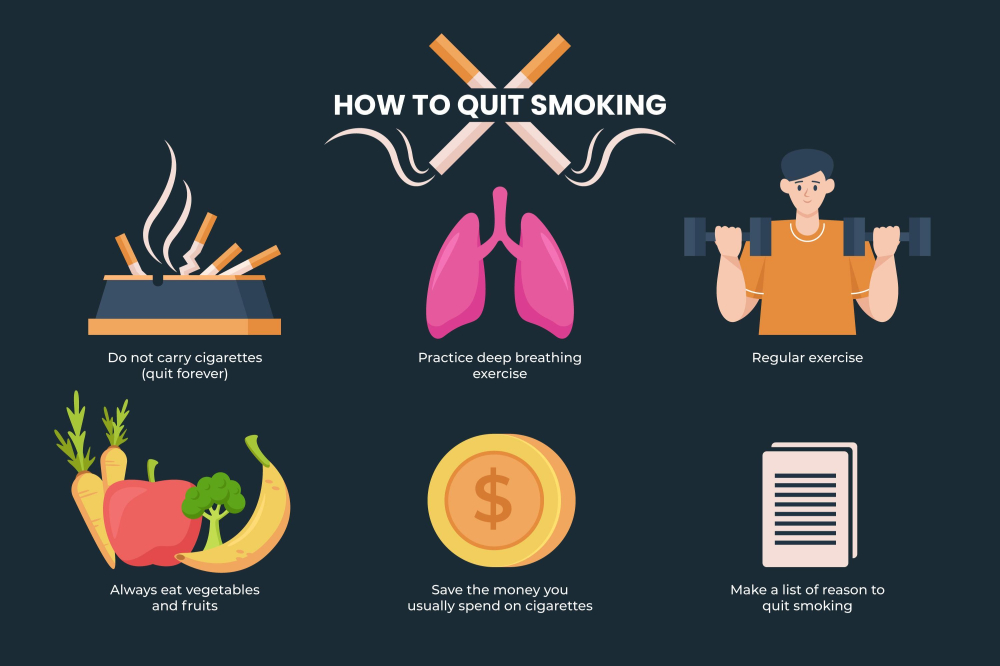
– **Smoking Cessation**: The most critical step in managing emphysema is to stop smoking and avoid exposure to secondhand smoke and environmental pollutants.
– **Medications**: Bronchodilators and inhaled corticosteroids can help alleviate symptoms and improve lung function.
– **Pulmonary Rehabilitation**: This comprehensive program involves physical exercise, nutrition counseling, and education on managing the disease.
– **Oxygen Therapy**: In more severe cases, supplemental oxygen may be prescribed to help with breathing.
Prognosis for emphysema largely depends on the severity of the condition and the patient’s response to treatment. While there is no cure for emphysema, early diagnosis and interventions can help slow down its progression and improve the patient’s quality of life. However, advanced cases of emphysema may require more aggressive treatments, and the prognosis may be less favorable. It is essential for patients to work closely with healthcare providers to develop a personalized treatment plan and monitor the progression of the disease.
Role of Preventative Measures and Lifestyle Modifications in Emphysema Management
Emphysema is a chronic, progressive lung disease that falls under the category of chronic obstructive pulmonary disease (COPD). Its ICD-10 code is J43. The primary cause of emphysema is long-term exposure to irritants, such as cigarette smoke, air pollution, or chemical fumes, which lead to damage and destruction of the air sacs in the lungs. Managing emphysema involves a combination of preventive measures and lifestyle modifications that can help slow down the progression of the disease and improve the patient’s quality of life.
Preventive Measures:
- Avoiding exposure to tobacco smoke, air pollutants, and occupational hazards
- Getting vaccinated to prevent respiratory infections
- Regular exercise to improve lung function and overall health
- Annual flu vaccination and pneumococcal vaccination to prevent respiratory infections
Preventive measures play a crucial role in managing emphysema, as they can help minimize further damage to the lungs and reduce the risk of exacerbations. Lifestyle modifications, on the other hand, focus on improving the patient’s overall health and wellbeing while managing their symptoms.
Q&A
Q: What is the ICD-10 code for emphysema?
A: The ICD-10 code for emphysema is J43.9, which falls under the category of chronic obstructive pulmonary disease (COPD).
Q: How is emphysema diagnosed according to ICD-10 guidelines?
A: According to ICD-10 guidelines, emphysema is diagnosed based on clinical symptoms, imaging studies, and pulmonary function tests that show evidence of airflow limitation.
Q: What are the specificity and sensitivity of ICD-10 codes for emphysema?
A: The specificity and sensitivity of ICD-10 codes for emphysema are high, as they are specifically designed to capture and accurately represent the diagnosis of this condition.
Q: Are there any additional codes required to specify emphysema in ICD-10?
A: Depending on the severity and specific manifestations of emphysema, additional codes may be required to specify the condition, such as codes for acute exacerbation, complications, or comorbidities.
Q: How does the ICD-10 coding system contribute to the management and treatment of emphysema?
A: The ICD-10 coding system provides a standardized way to document and track cases of emphysema, which is crucial for healthcare management, research, and epidemiological studies related to the condition.
Q: Can the ICD-10 coding system be used to monitor the progression and outcomes of emphysema treatment?
A: Yes, the ICD-10 coding system can be used to monitor the progression and outcomes of emphysema treatment by capturing data on the diagnosis, interventions, and complications associated with the condition.
Future Outlook
In conclusion, emphysema is a chronic and progressive respiratory disease characterized by the destruction of lung tissue, resulting in difficulty breathing and impaired lung function. The proper coding for emphysema in the ICD-10 classification system is essential for accurate diagnosis, treatment, and research. Health professionals and researchers must be vigilant in their use of the appropriate ICD-10 codes to ensure accurate reporting and tracking of this debilitating condition. Continued advancements in understanding and managing emphysema, along with precise coding practices, are crucial for improving patient care and outcomes. It is imperative that healthcare providers remain up to date with the latest ICD-10 coding guidelines for emphysema to effectively manage and monitor this significant public health concern.
Auto Amazon Links: No products found.

