



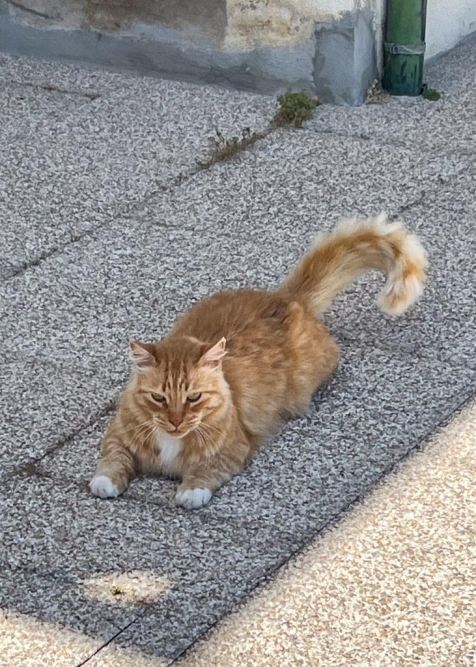
Crossed paws, a behavior commonly seen in domestic dogs, may appear to be a simple aesthetic quirk at first glance. However, there is more to this peculiar phenomenon than meets the eye. As researchers and animal behaviorists have delved into the reasons behind this behavior, a number of theories have emerged that shed light on the possible psychological and physiological factors at play. In this article, we will explore the various explanations for why dogs cross their paws, examining the influence of genetics, comfort, and body language, and what it might reveal about our canine companions.
Table of Contents
- Understanding Crossed Paws in Dogs
- The Science Behind Crossed Paws in Canines
- Recommendations for Owners of Dogs with Crossed Paws
- Common Misconceptions About Crossed Paws in Dogs
- Q&A
- Closing Remarks
Understanding Crossed Paws in Dogs
Many dog owners have noticed that their furry friends sometimes lay down with their front paws crossed over one another. This cute and endearing behavior can leave us wondering what it means. While there is no definitive answer as all dogs are unique, there are a few common reasons that could explain this behavior.
Firstly, it could be a sign of relaxation. When a dog is comfortable and at ease in their environment, they may cross their paws as a way of settling in and getting cozy. Another explanation could be that it is simply more comfortable for them. Some dogs may find that crossing their paws take the pressure off their joints and helps them to relax. It can also be a learned behavior picked up from their littermates or even their owners.
On the flip side, crossed paws can also be a submissive gesture. In the dog world, showing the underside of their paws is a sign of submission and respect. If a dog is feeling insecure or submissive in a situation, they may cross their paws as a way of signaling this to other dogs or humans around them.
Here is a simple table that outlines the possible reasons for this behavior:
| Reason | Description |
|---|---|
| Relaxation | The dog is comfortable and at ease. |
| Comfort | The position is physically more comfortable for the dog. |
| Learned Behavior | The dog has picked up the behavior from their surroundings. |
| Submission | The dog is feeling insecure or submissive. |
In conclusion, if you see your dog with crossed paws, it is likely a sign that they are feeling relaxed and comfortable, or it could be a natural way for them to find physical comfort. However, it’s also important to be aware that it can sometimes indicate submission or insecurity. As always, it’s essential to look at the full context of your dog’s behavior to understand what they are trying to communicate.
The Science Behind Crossed Paws in Canines
Many dog owners have noticed their furry friends sitting or laying down with their paws crossed in front of them. While this behavior may seem simply cute, there is actually some scientific reasoning behind this adorable pose. Crossing paws is a learned behavior that some canines pick up from their human companions. Dogs are known to be great imitators and will often mimic the body language of their owners. This can include sitting with legs crossed, which is a common position for humans when relaxing or lounging.
Additionally, crossing paws can also be a sign of relaxation and comfort in dogs. When a dog is comfortable and at ease, their body language will reflect this. Crossed paws indicate that the dog is not on high alert and is not ready to jump into action. It can also be a way for dogs to conserve body heat, as crossing their paws can help keep them warm. Furthermore, some experts believe that this behavior can also be a sign of submission, with the dog showing that they are not a threat to other animals or humans in their environment.
| Dog Breed | Likelihood of Crossing Paws |
|---|---|
| Golden Retriever | High |
| German Shepherd | Moderate |
| Chihuahua | Low |
While not all dogs will exhibit this behavior, it is more commonly seen in certain breeds. For example, larger breeds like Golden Retrievers and Labradors are more likely to sit with crossed paws, while smaller breeds like Chihuahuas are less likely. It’s also important to note that not all dogs who cross their paws are doing so for the same reasons. Each dog is an individual and may have their own unique reason for this behavior.
Recommendations for Owners of Dogs with Crossed Paws
If your furry friend is displaying signs of crossed paws, it’s essential to address the issue promptly. This condition can cause discomfort and even lead to long-term health problems if left untreated. Here are some recommendations to help your dog:
First and foremost, consult with a veterinarian. They can determine if the crossed paws are a result of an underlying health condition or if it’s simply a harmless quirk. In some cases, crossed paws may be a symptom of neurological issues, arthritis, or hip dysplasia. Your vet can recommend the appropriate course of action, which may include medication, physical therapy, or even surgery in severe cases.
It’s also important to provide your dog with proper support when they’re resting. Invest in a comfortable, orthopedic dog bed that offers ample support for their joints and bones. Avoid letting your dog lie on hard surfaces for extended periods, as this can exacerbate the issue.
In addition to these measures, consider implementing the following at-home care strategies:
- Maintain a healthy weight for your dog to reduce stress on their joints
- Provide regular, low-impact exercise to strengthen their muscles and improve flexibility
- Use gentle massage techniques to alleviate any discomfort and improve circulation
By following these recommendations, you can help ensure your dog’s comfort and well-being, preventing any potential complications from crossed paws. Remember, always consult with a professional before making any significant changes to your dog’s care routine.
Common Misconceptions About Crossed Paws in Dogs
Many dog owners have seen their furry friends sitting or lying down with their paws crossed and wondered if it means anything. Some people believe that a dog crossing its paws is a sign of contentment and relaxation, while others think it could be an indication of discomfort or even health issues. However, the truth is that crossed paws in dogs can have a variety of meanings and it’s important not to jump to conclusions without understanding the context.
One common misconception is that crossed paws are a sign of dominance or trying to assert control. In reality, this behavior is simply a comfortable position for many dogs and has nothing to do with trying to dominate their environment or their owners. Another belief is that crossed paws indicate that a dog is anxious or stressed. While it’s true that some dogs may cross their paws when they’re feeling uneasy, it’s not a universal sign of anxiety and can also be seen in relaxed, happy dogs.
- A comfortable position for some dogs
- Not an indication of dominance
- Not a universal sign of anxiety or stress
| Possible Reasons for Crossed Paws in Dogs | |
|---|---|
| Relaxation/Comfort | Some dogs simply find this position comfortable and may cross their paws whenever they’re lounging around. |
| Anxiety/Stress | In certain situations, a dog may cross their paws if they’re feeling anxious or stressed, although it’s not always the case. |
| Physical Issues | Occasionally, crossed paws can be a sign of an underlying physical issue like joint pain, so it’s important to observe other behaviors and consult a veterinarian if concerned. |
| Attention Seeking | Some dogs have learned that crossing their paws gets them attention from their owners and may do it for that reason. |
In conclusion, while crossed paws in dogs may catch our attention, it’s essential to consider the full context of the behavior. Observing your dog’s overall body language, habits, and environment will give you a better understanding of what their crossed paws might mean, and when in doubt, it’s always best to consult with a veterinarian.
Q&A
Q: What are crossed paws in dogs and cats?
A: Crossed paws refer to the position in which a dog or cat tucks one paw underneath their body while lying down, so that it is positioned next to the opposite paw.
Q: Why do animals cross their paws?
A: Animals may cross their paws as a means of comfort or to regulate their body temperature. It can also be a sign of relaxation and contentment.
Q: Is there a difference between crossed paws in dogs and cats?
A: While the basic concept of crossed paws is similar in both dogs and cats, the specific positioning and reasons for doing so may vary between the two species.
Q: Can crossed paws indicate any health issues in animals?
A: In some cases, animals may cross their paws due to pain or discomfort in a certain area of their body. It’s important to monitor any changes in their behavior or posture, as it could indicate an underlying health issue.
Q: Should pet owners be concerned about crossed paws?
A: Generally, crossed paws are a natural and harmless behavior in pets. However, if a pet consistently favors crossing one particular paw or exhibits any signs of discomfort, it may be worth consulting a veterinarian to rule out any potential health issues.
Closing Remarks
In conclusion, crossed paws are a common and natural posture exhibited by many domesticated animals, including cats and dogs. This behavior is typically a sign of relaxation and comfort, and can also serve as a display of trust and submission. While there is no definitive explanation for why animals cross their paws, it is generally considered a benign and non-threatening behavior. However, it is important for pet owners to be mindful of their pet’s body language and behavior, as crossed paws could also indicate discomfort or stress in some cases. Overall, understanding your pet’s individual habits and behaviors can help strengthen the bond between you and your furry companion.

